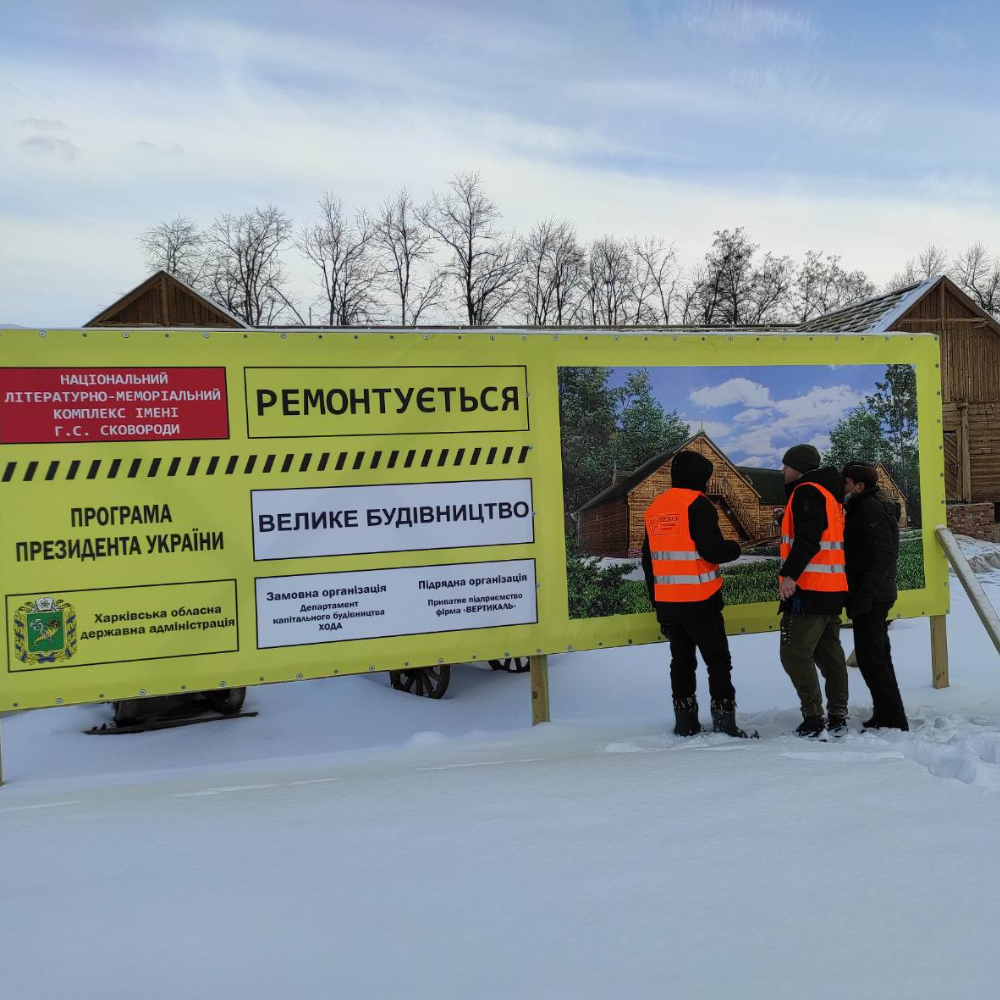
Until 1922, the village of Skovorodynivka was known as Pan-Ivanivka. It was here that the estate of the Kovalevsky family was located, where the outstanding Ukrainian philosopher, teacher, writer, and poet Hryhorii Skovoroda spent his final days. In 1972, a museum was opened on the territory of this estate, which today has the status of the National Literary and Memorial Museum of H. S. Skovoroda.
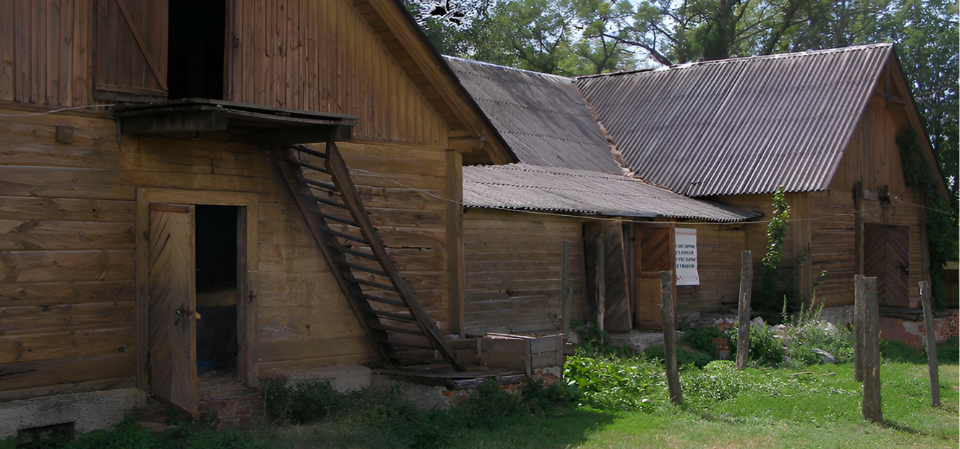
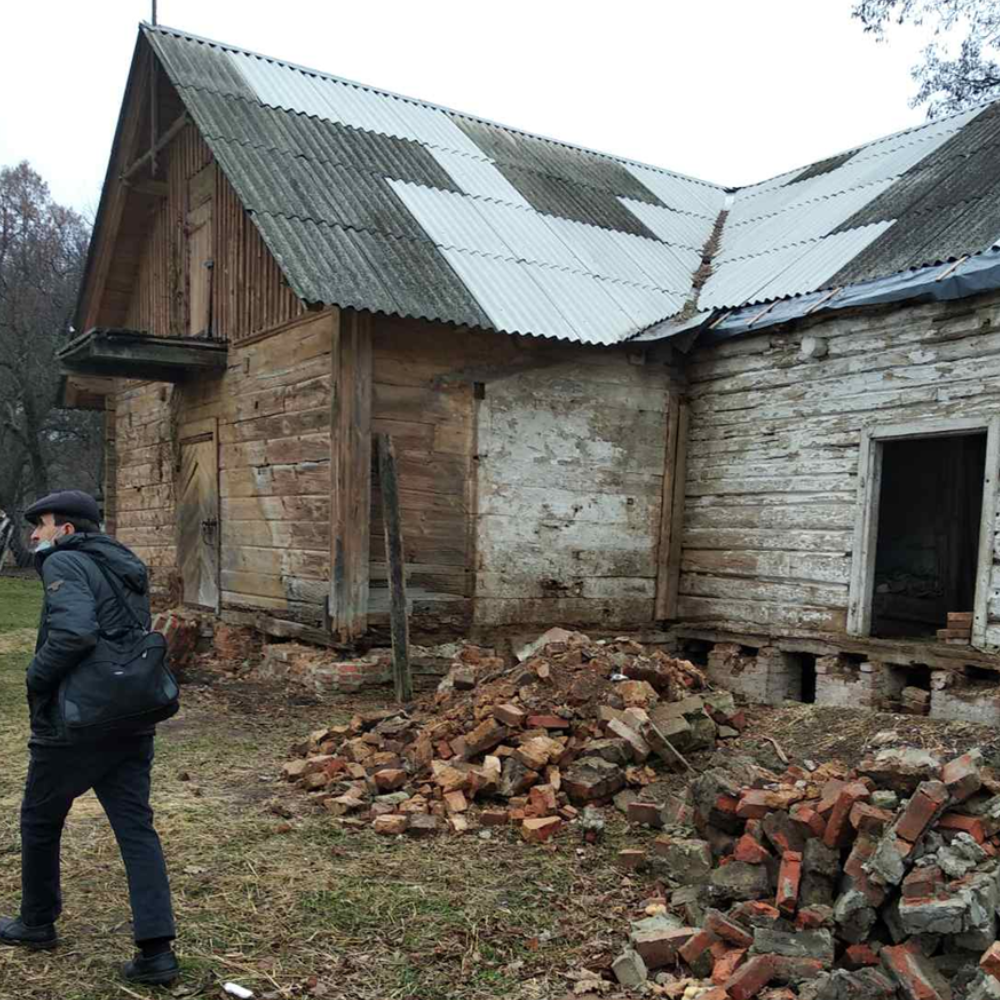
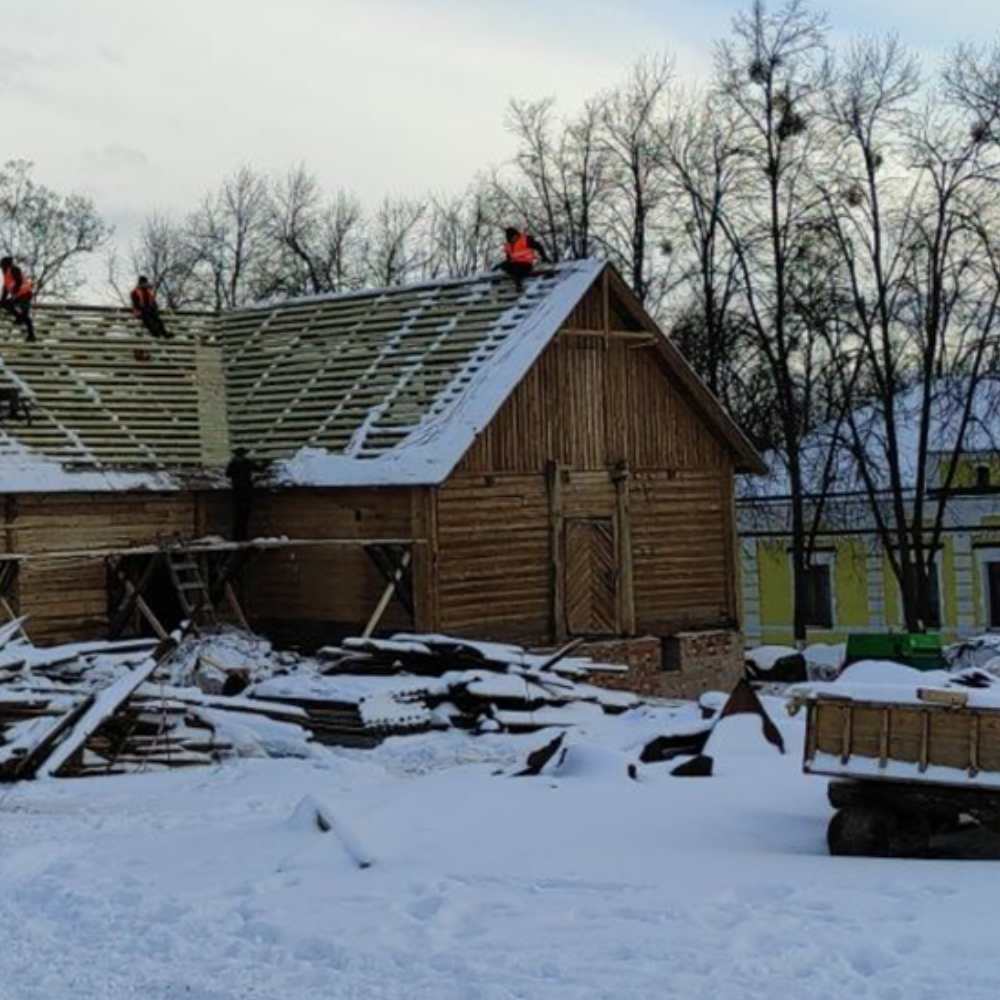
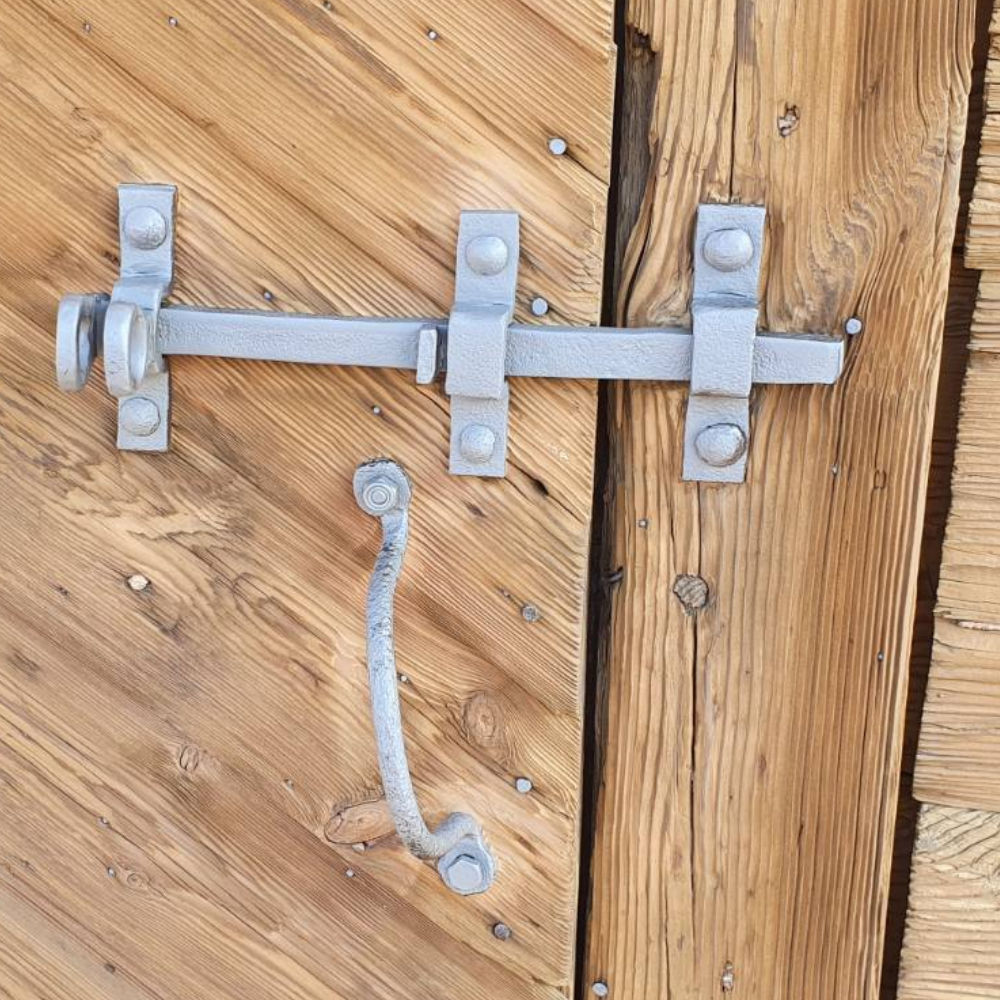
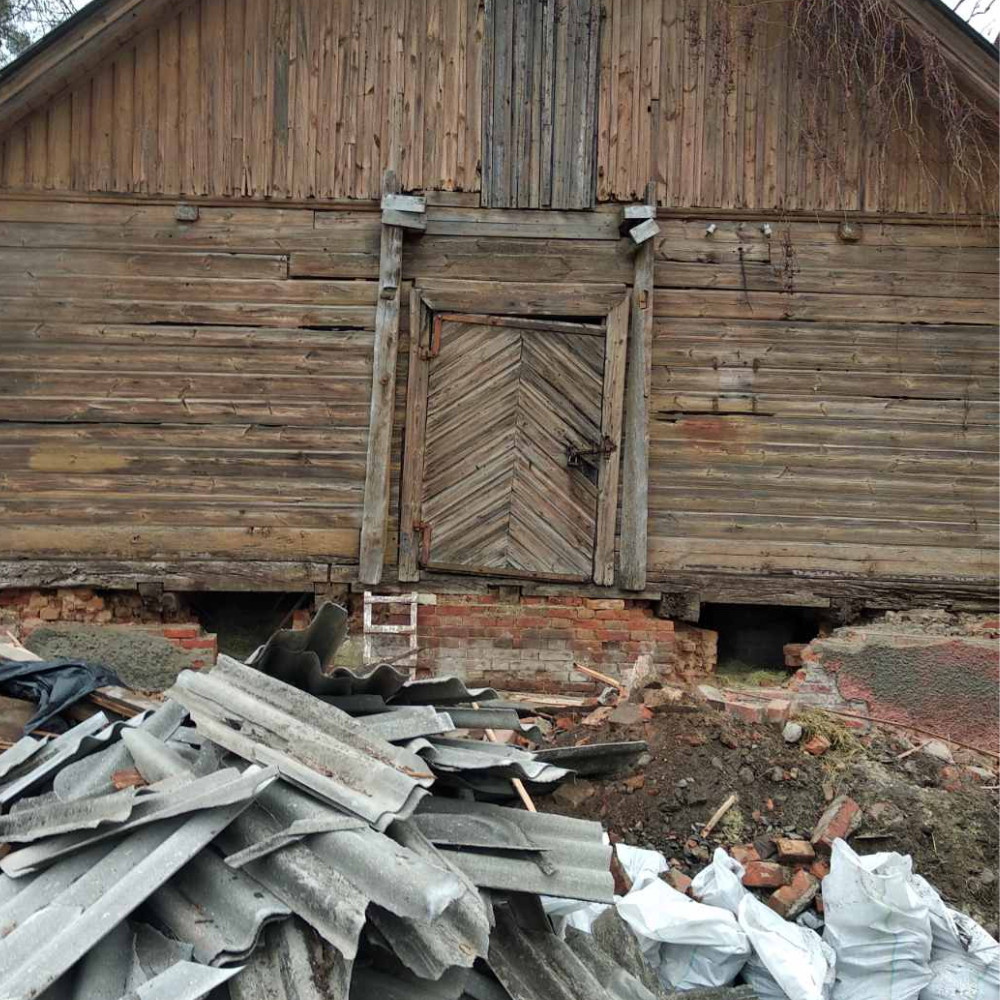
The museum complex is not only the main building, which is an architectural monument of the 18th century, and a picturesque park on the bank of the pond with linden alleys. A special place here belongs to the memorial 700-year-old oak, under which, according to legend, Skovoroda worked. Although the old tree is now dead, a bust of the philosopher has been installed nearby, and the so-called ‘son oak’ grows there, allegedly planted by Hryhorii Savych himself. The historical estate ensemble also includes the manor office building of the 19th century (built on the foundations of the late 18th century) and an authentic wooden barn from the 19th century.
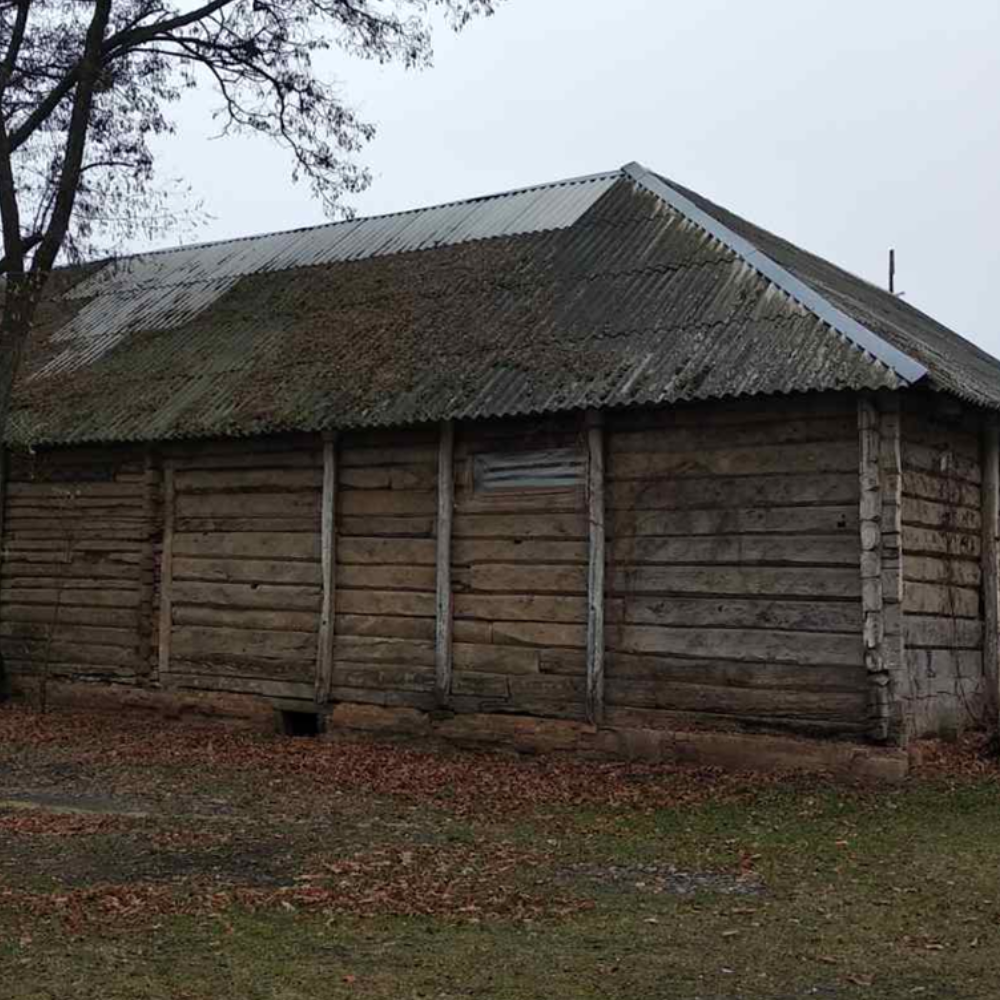
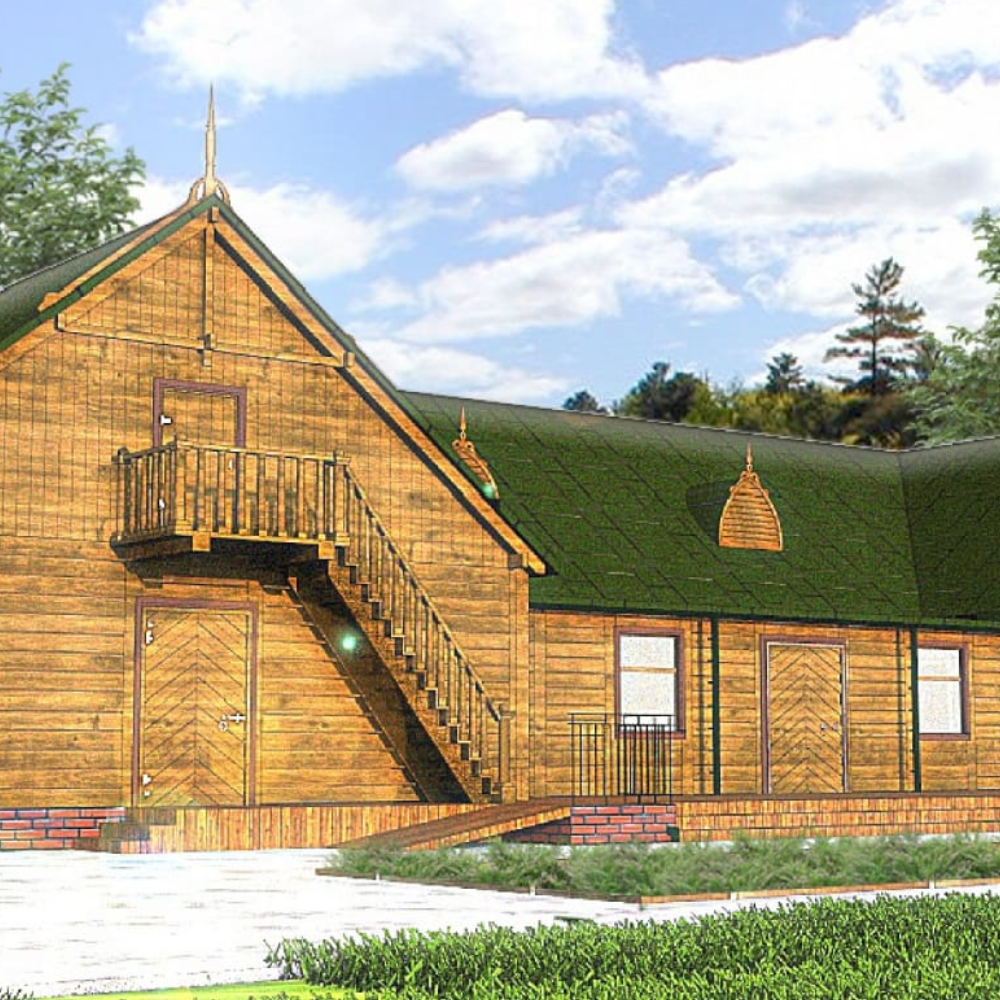
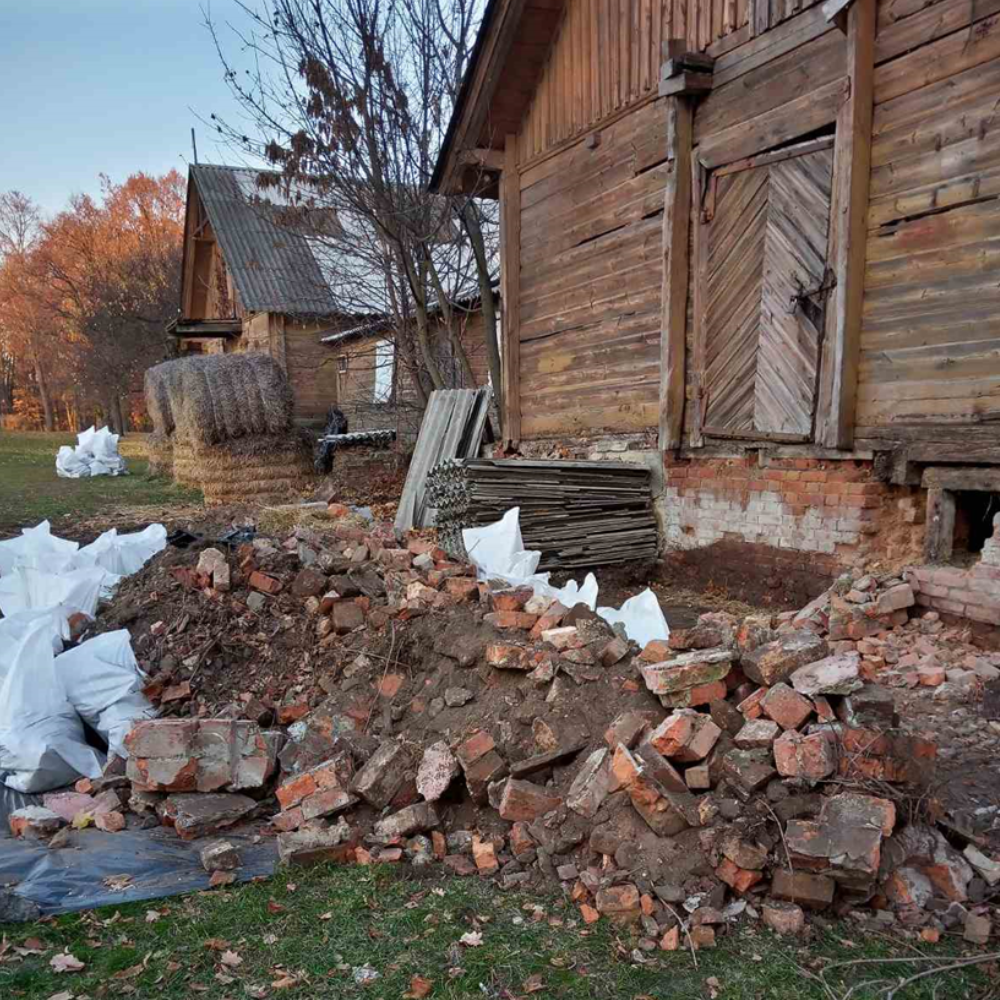
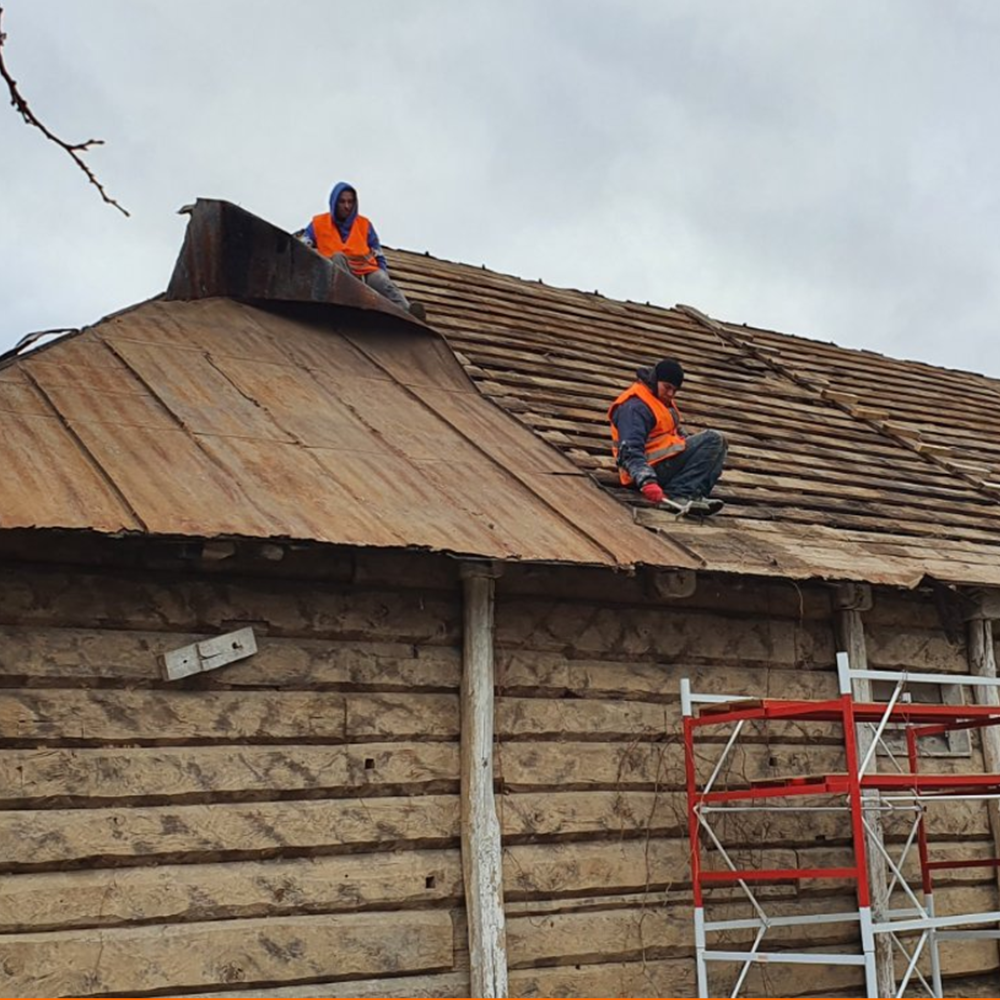
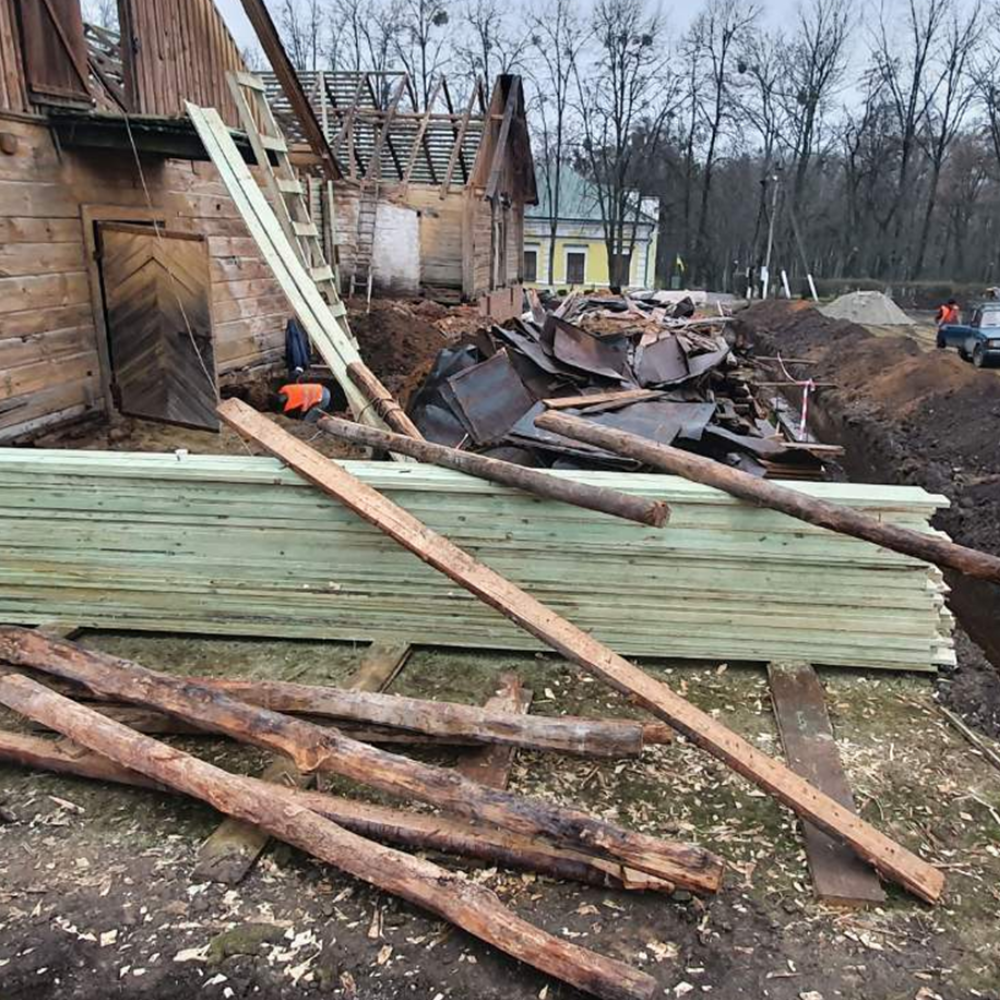
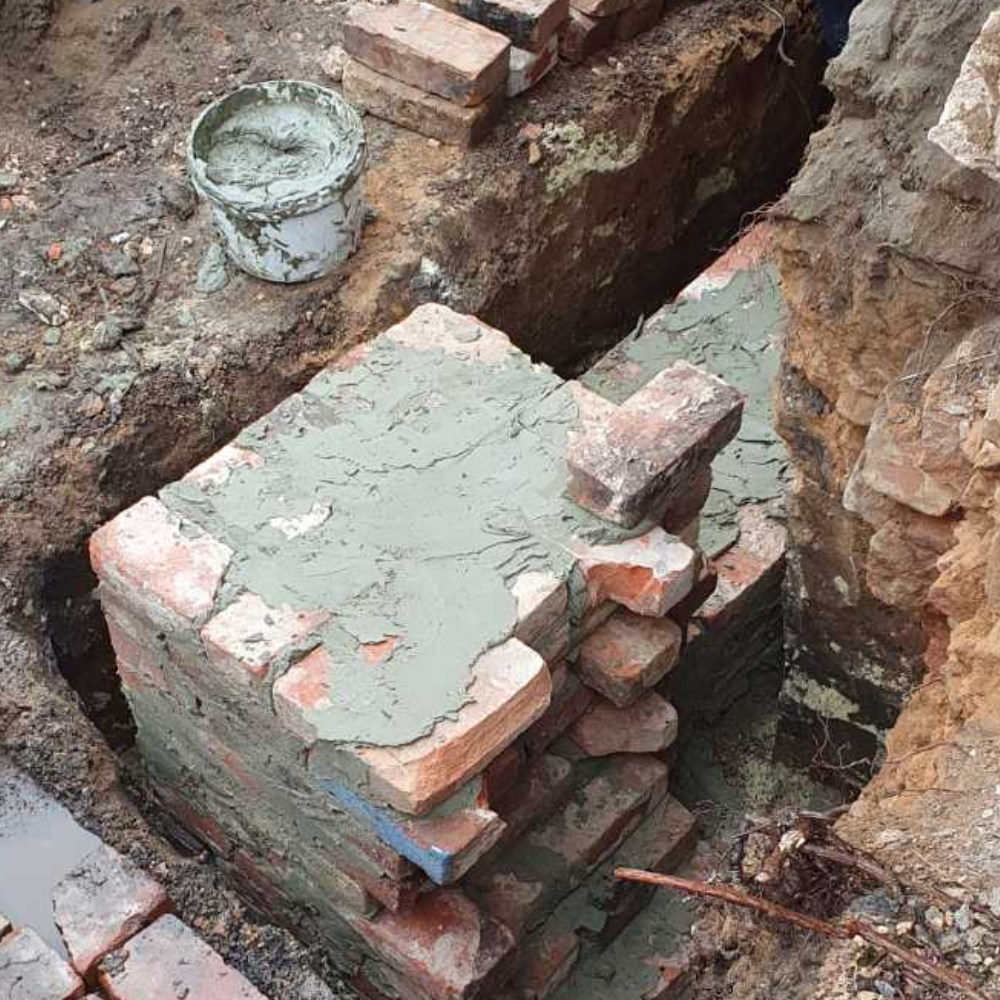
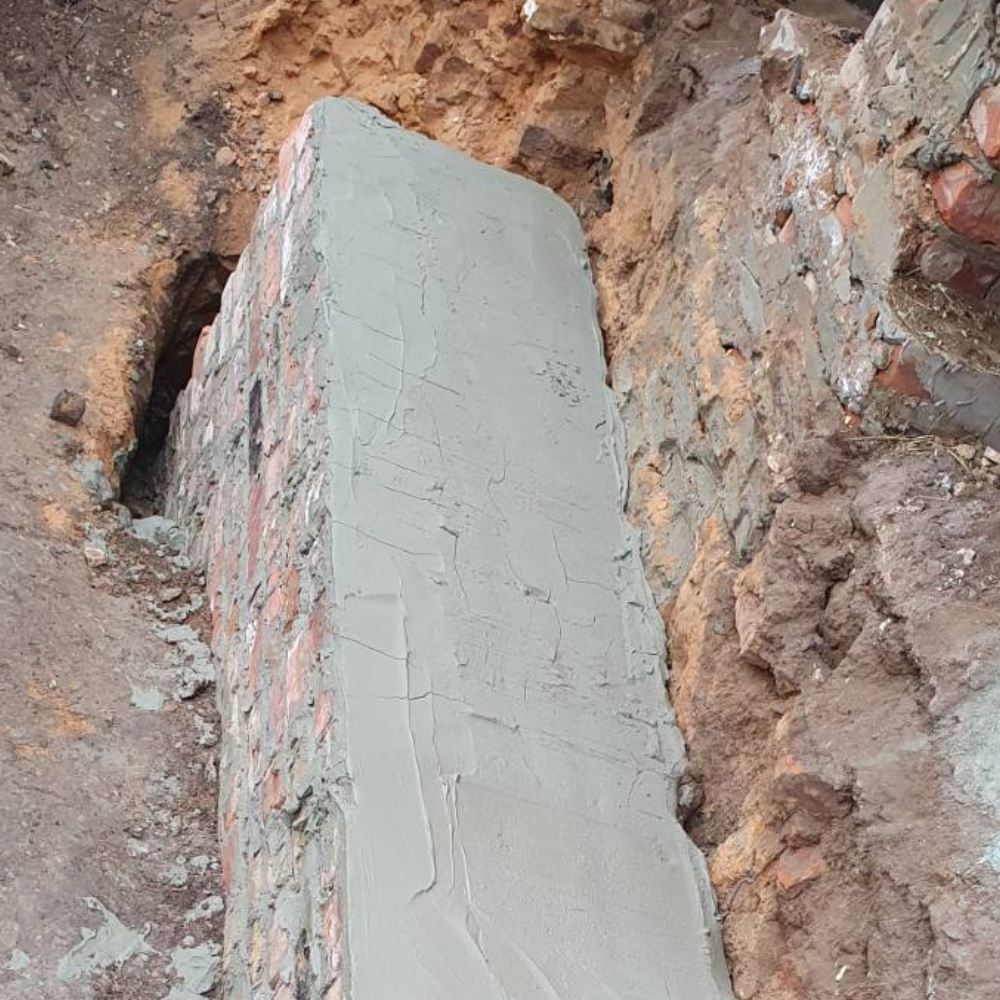
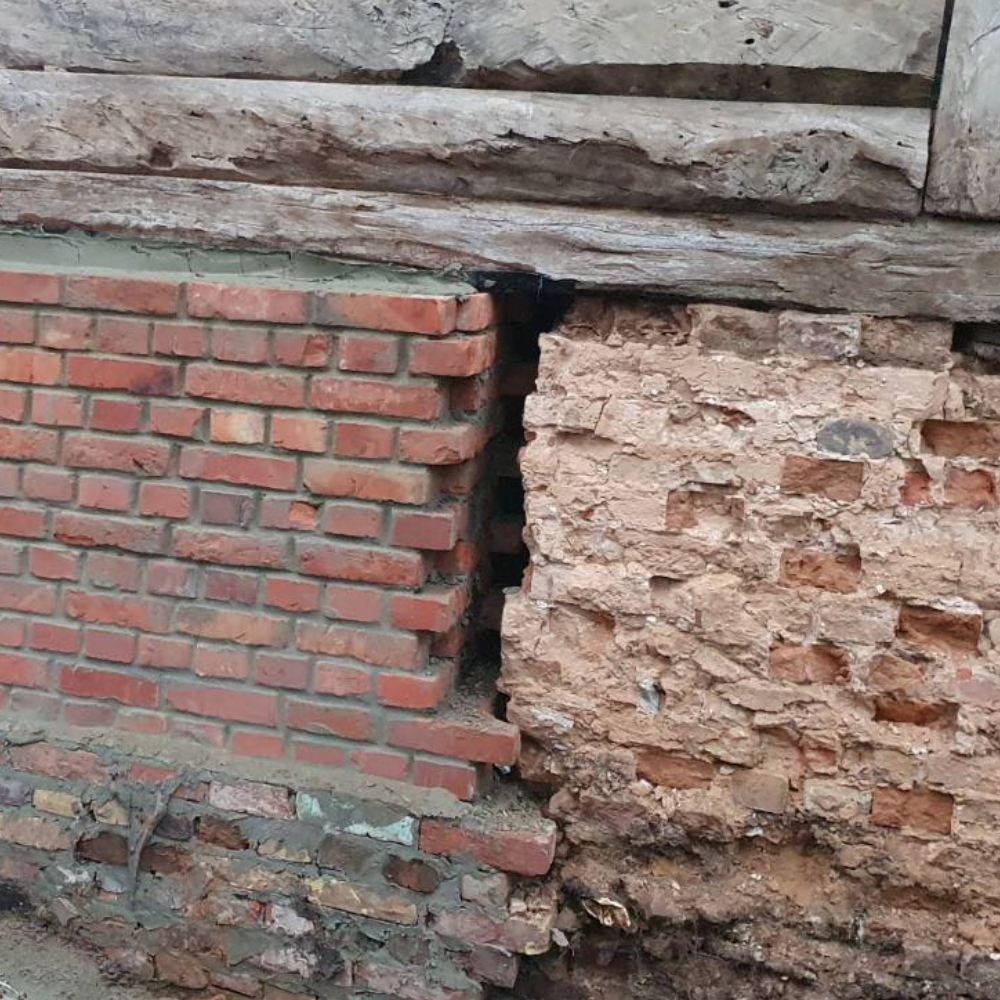
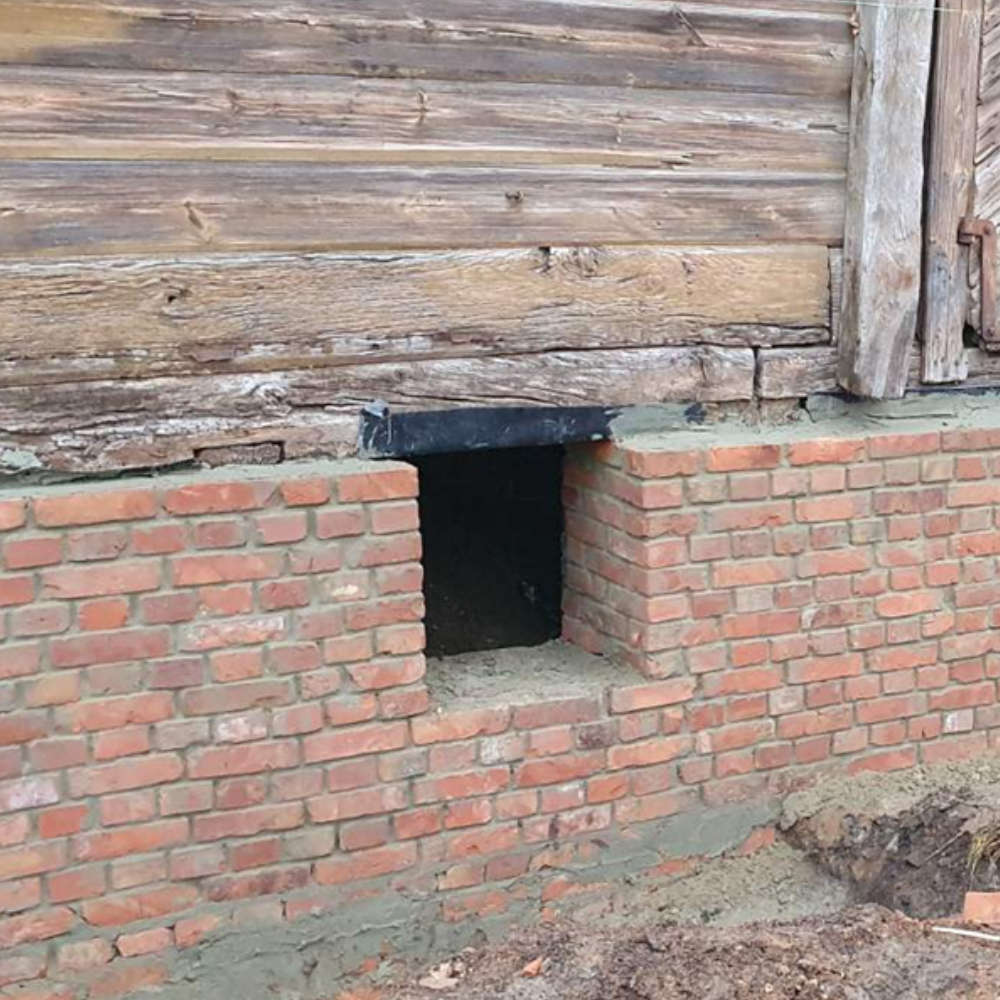
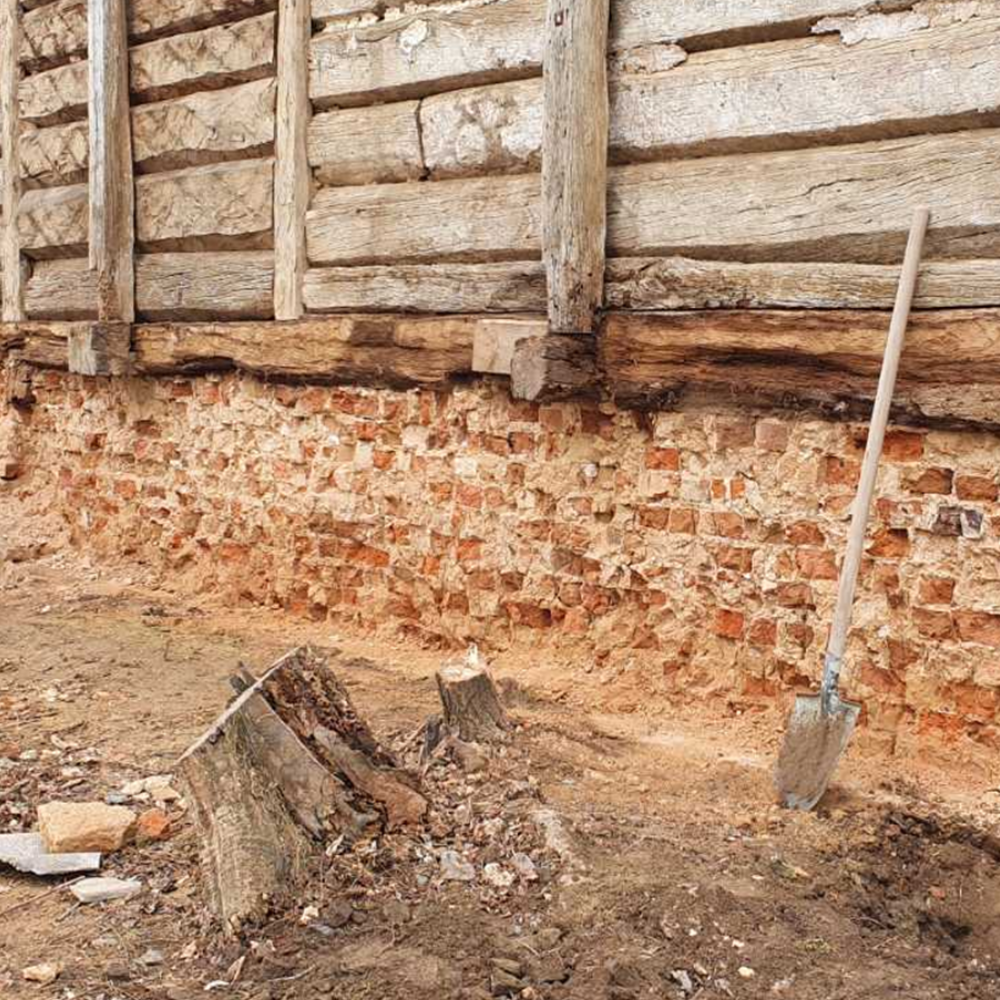
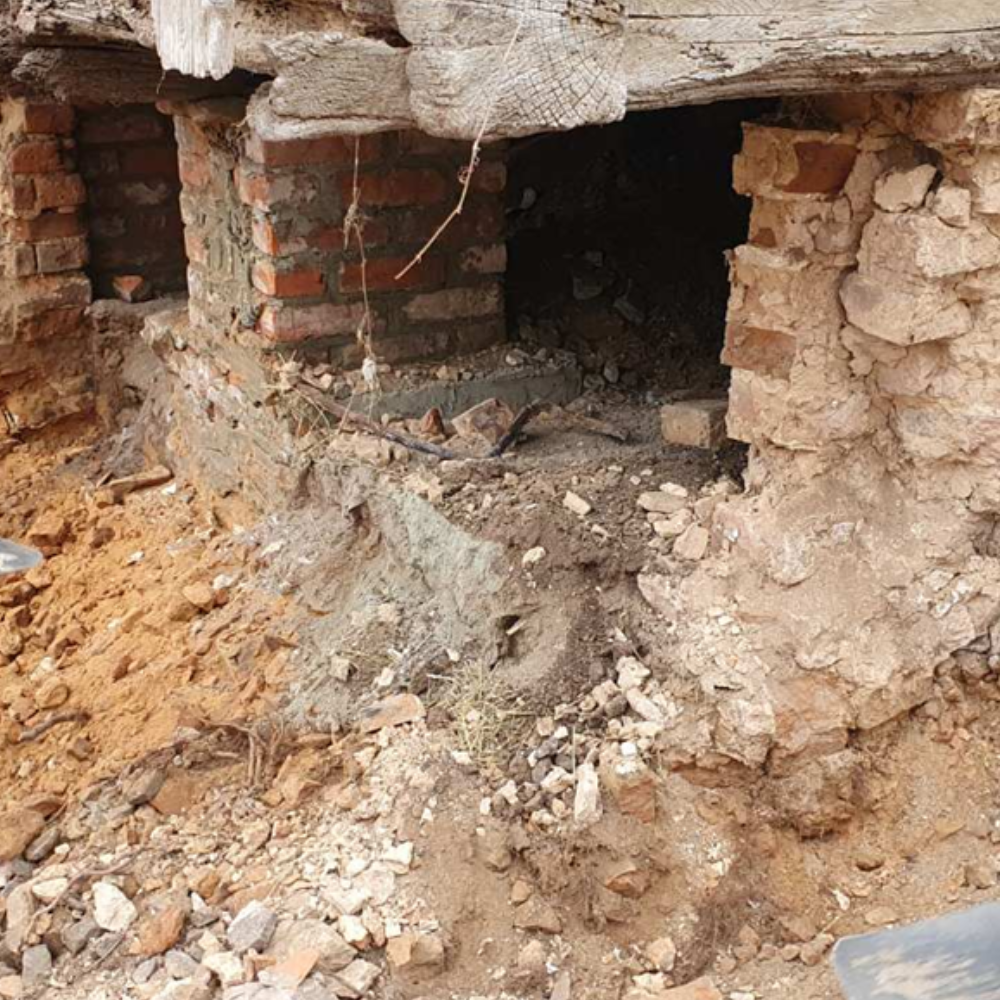
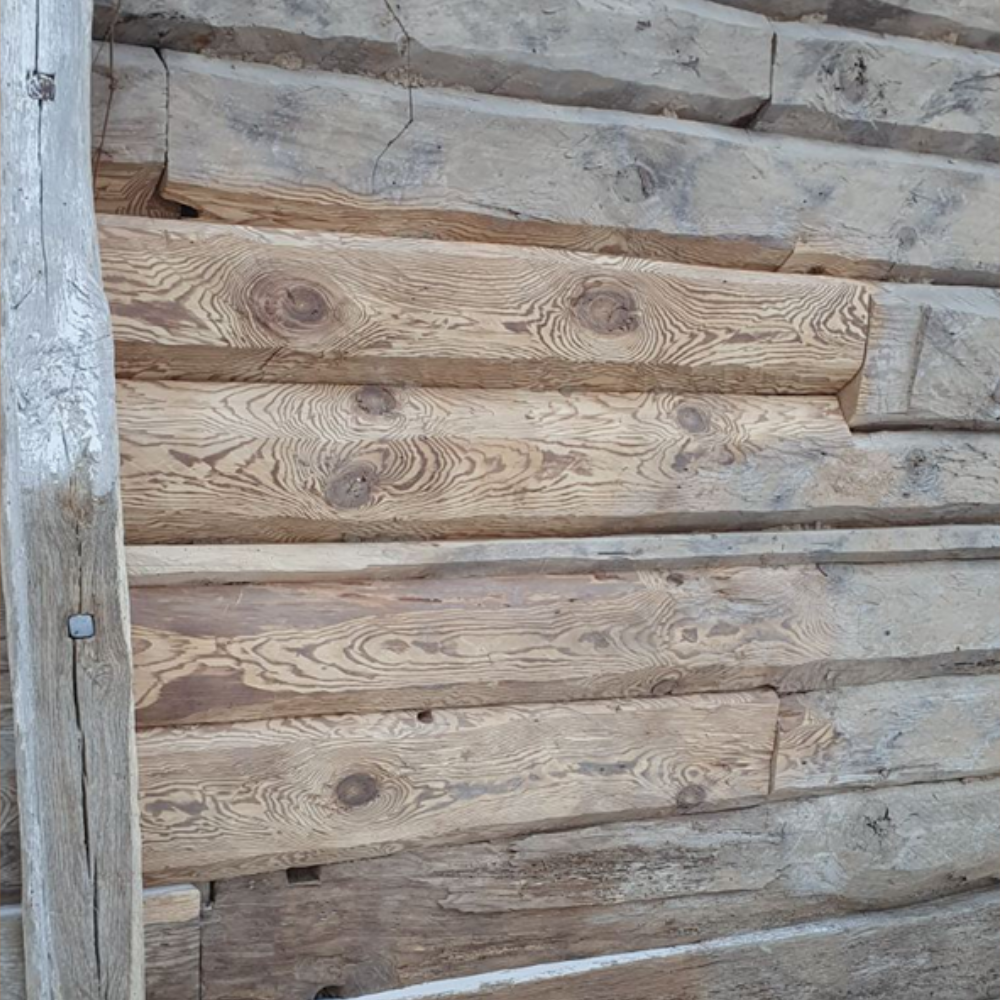
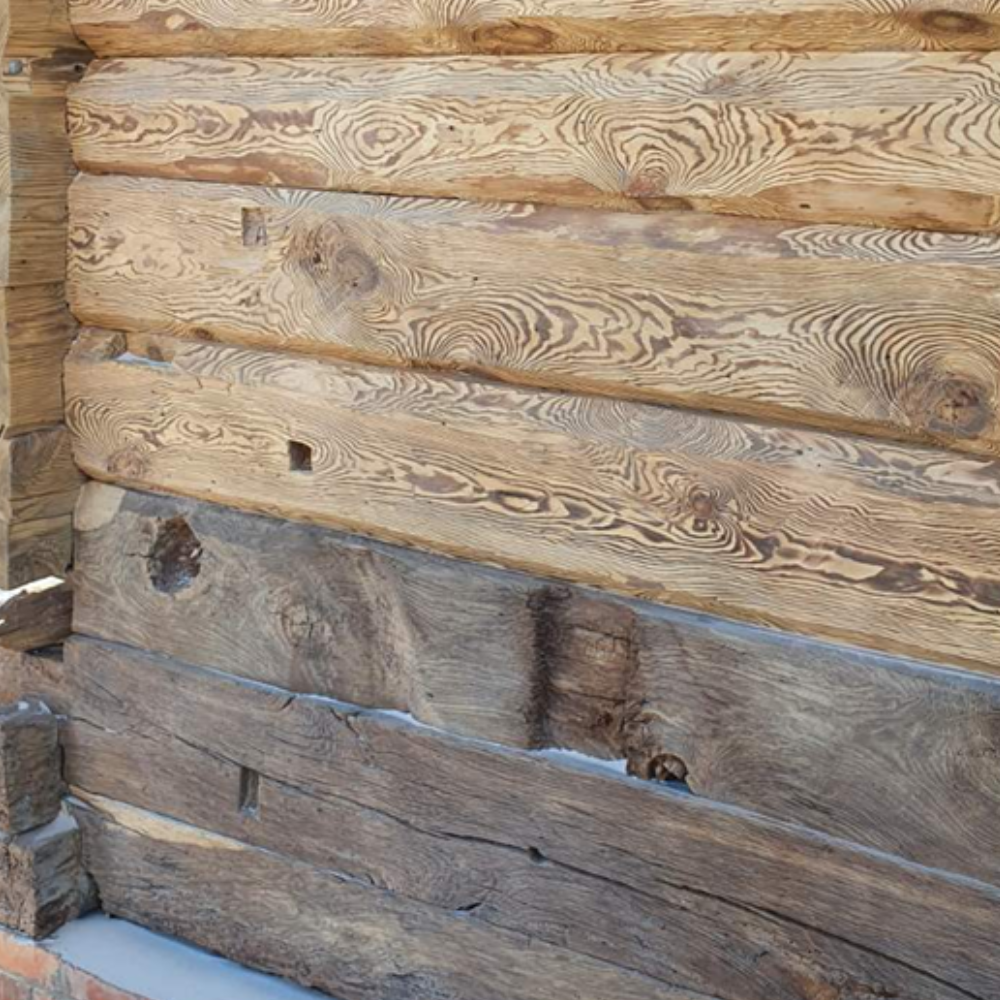
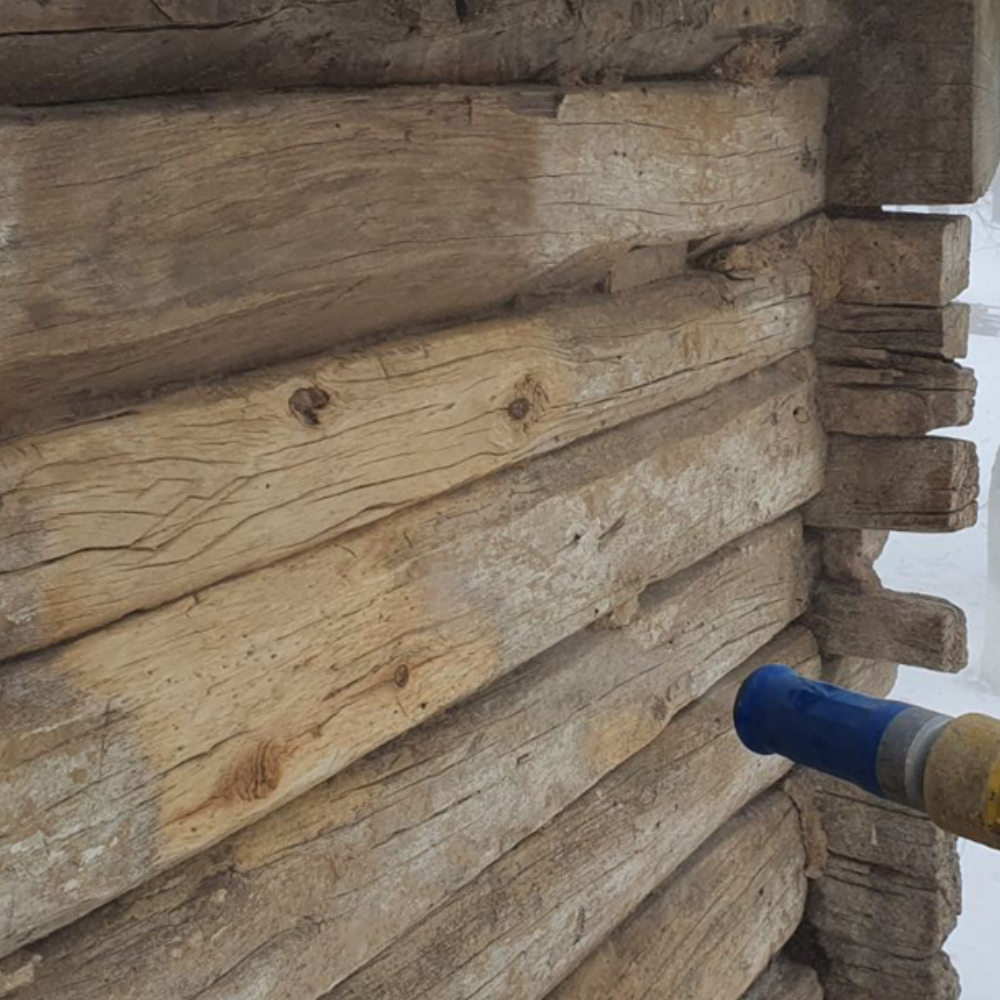
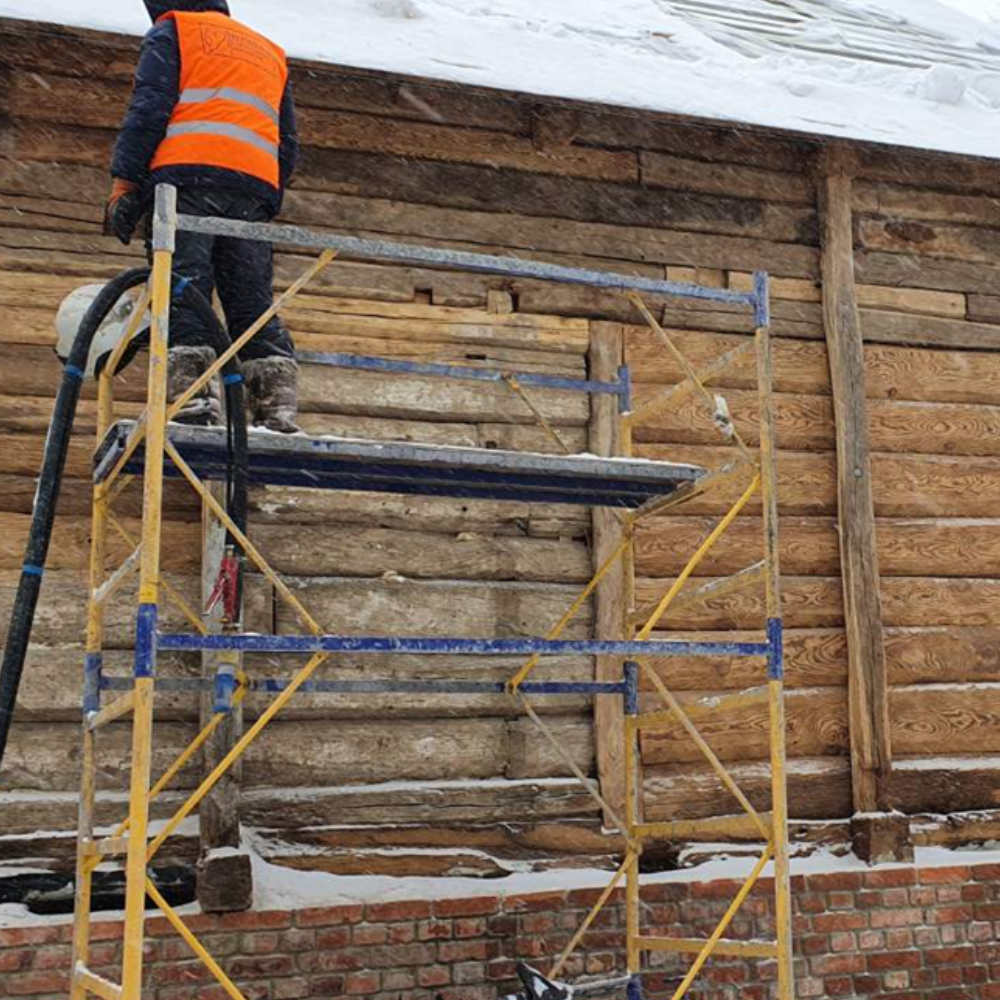
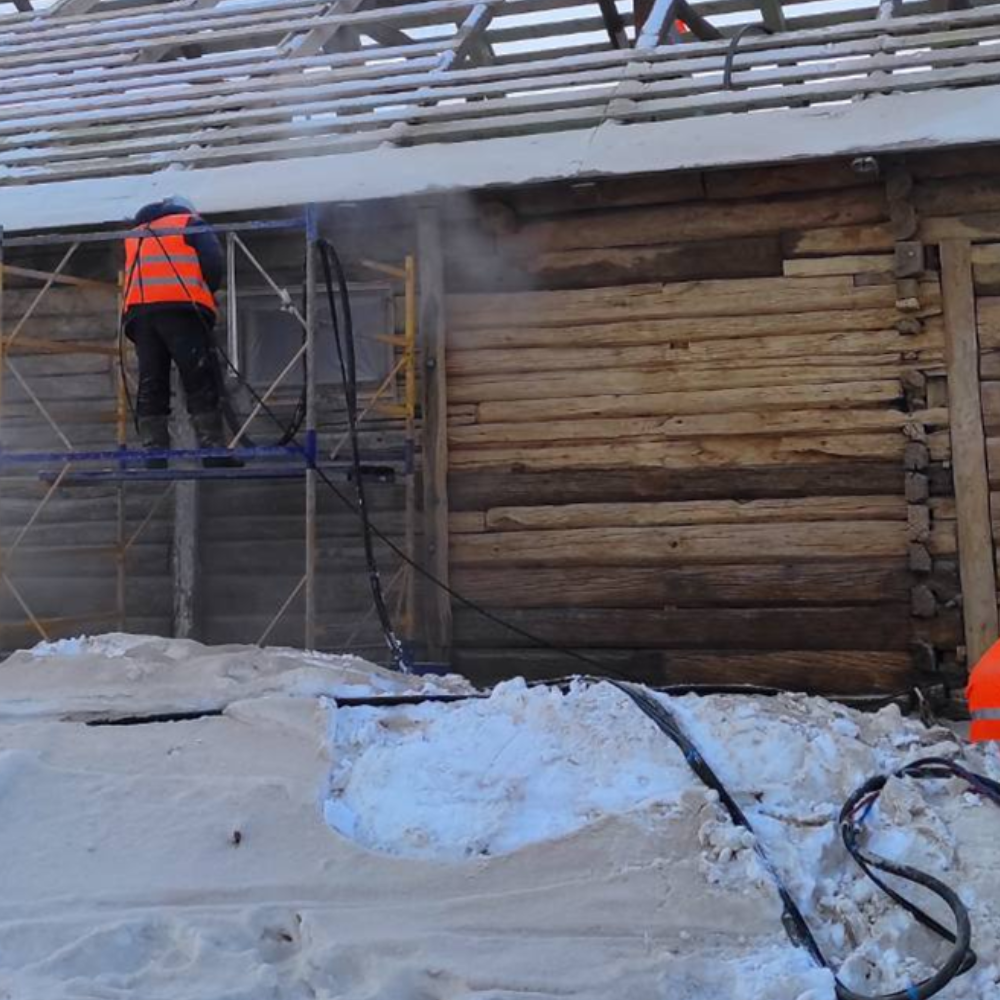
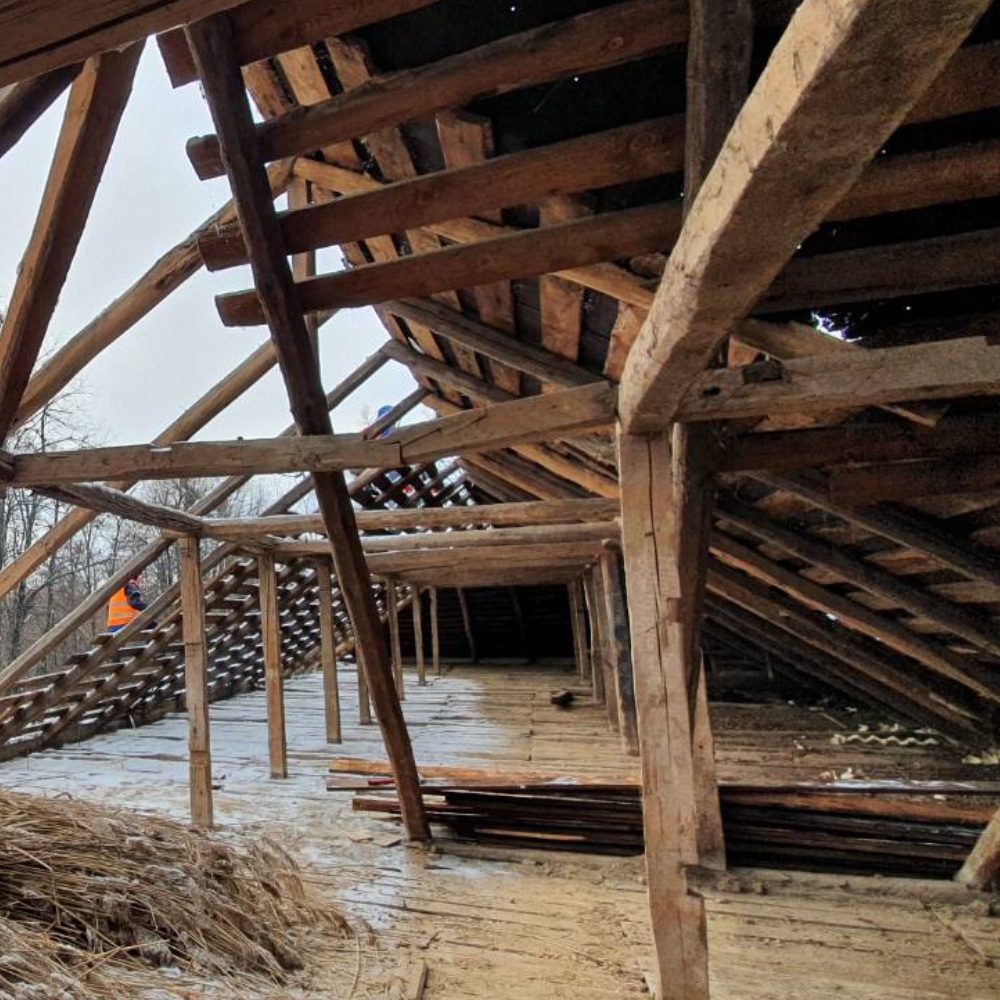
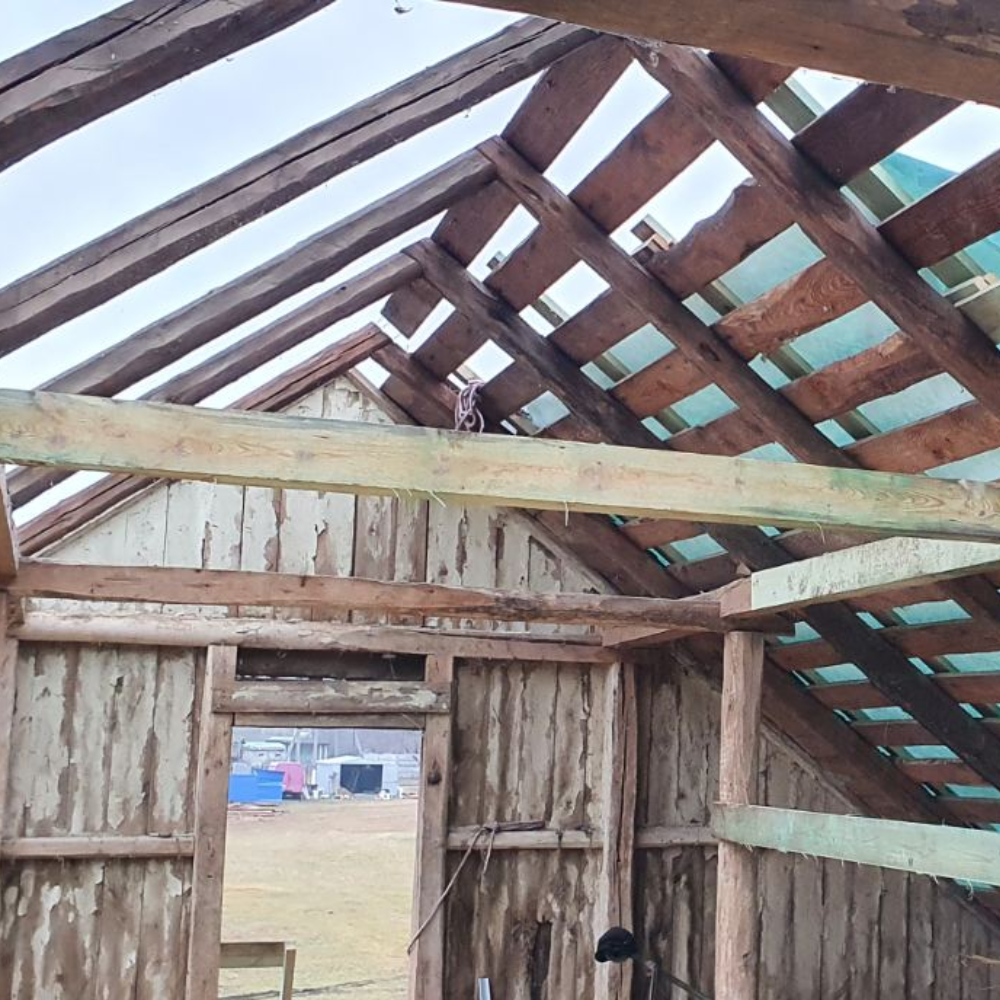
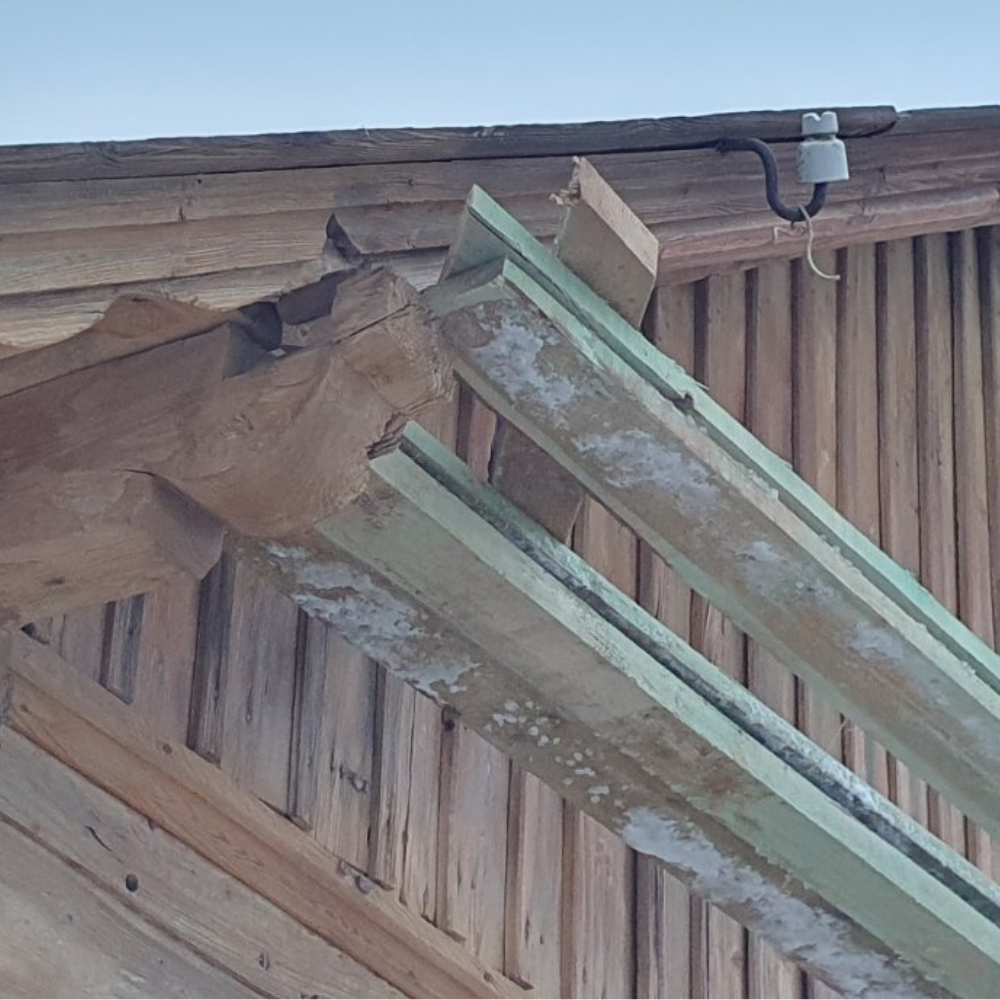
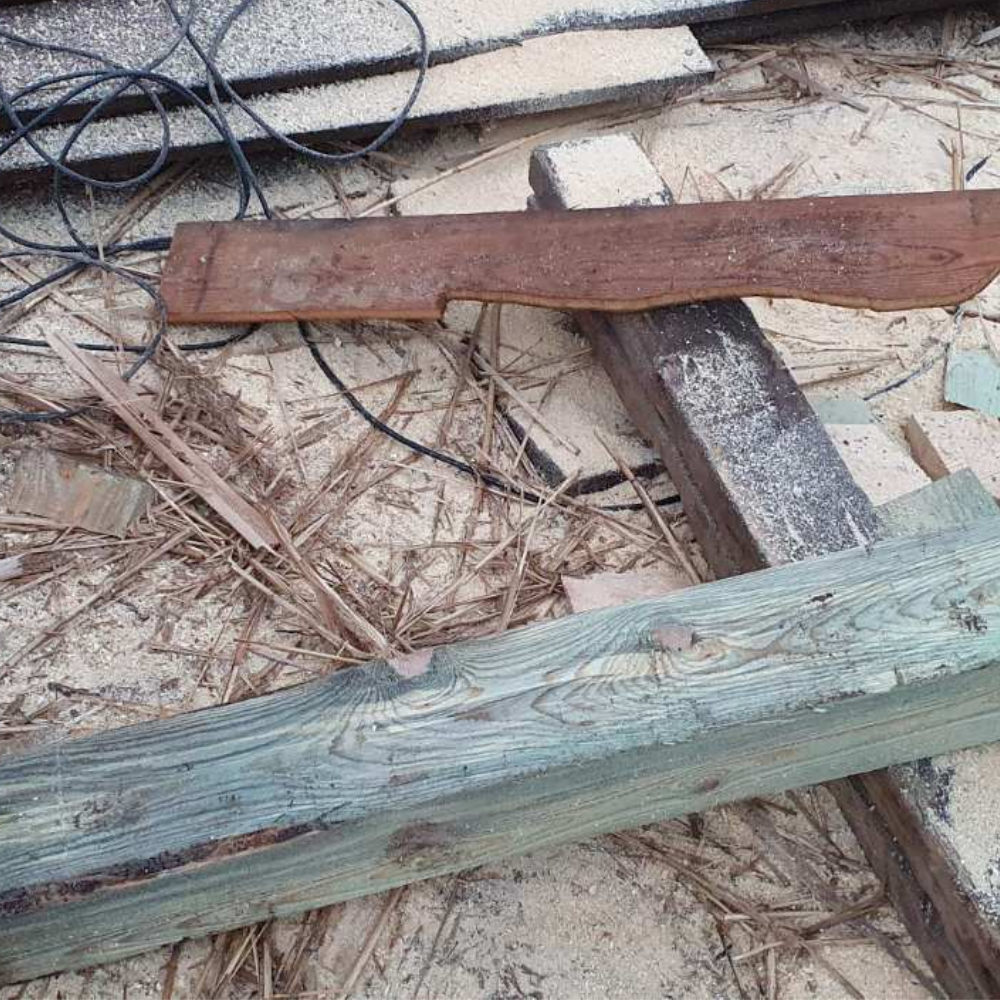
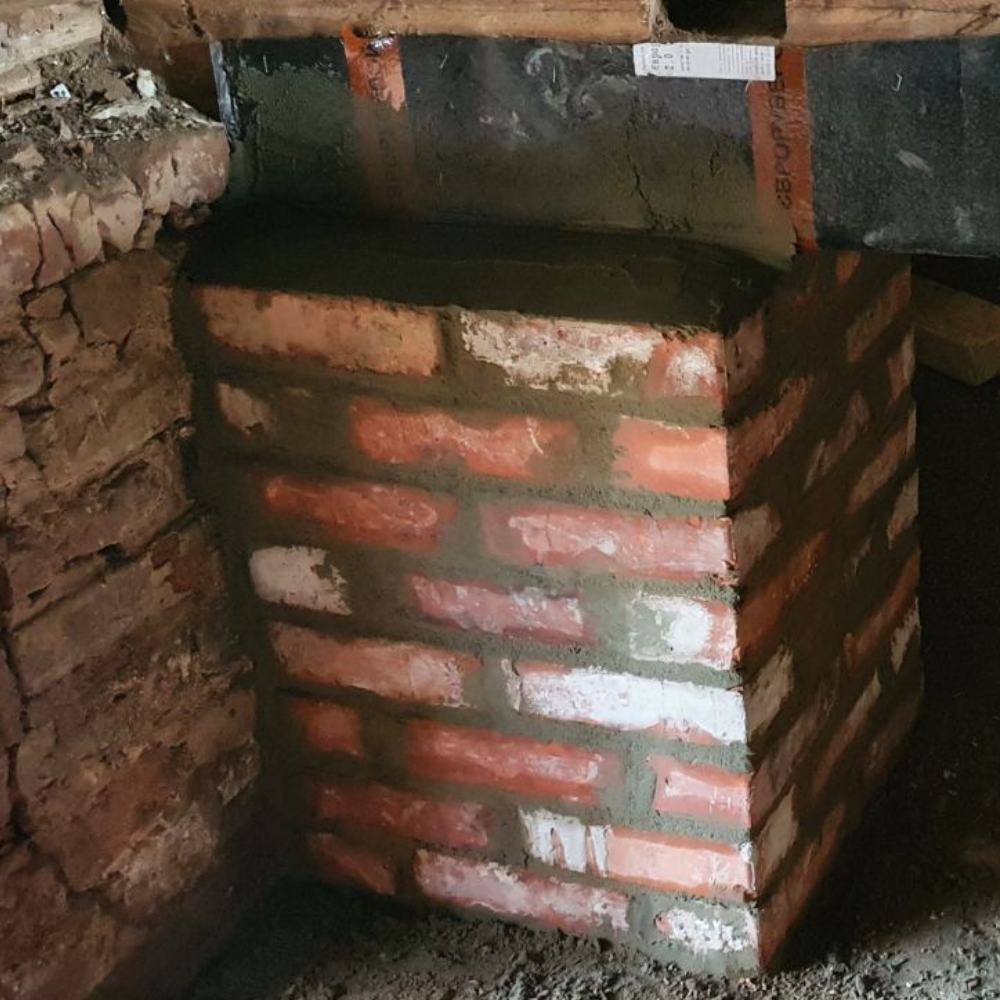
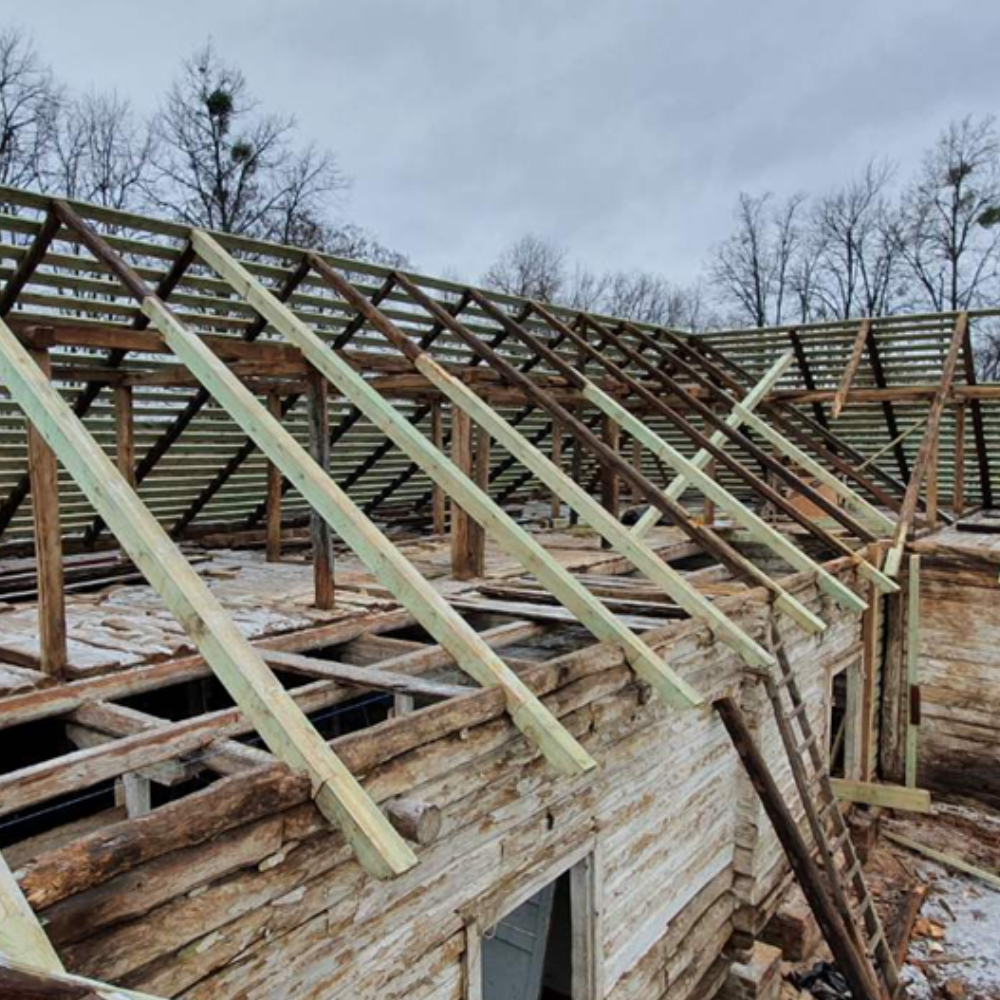
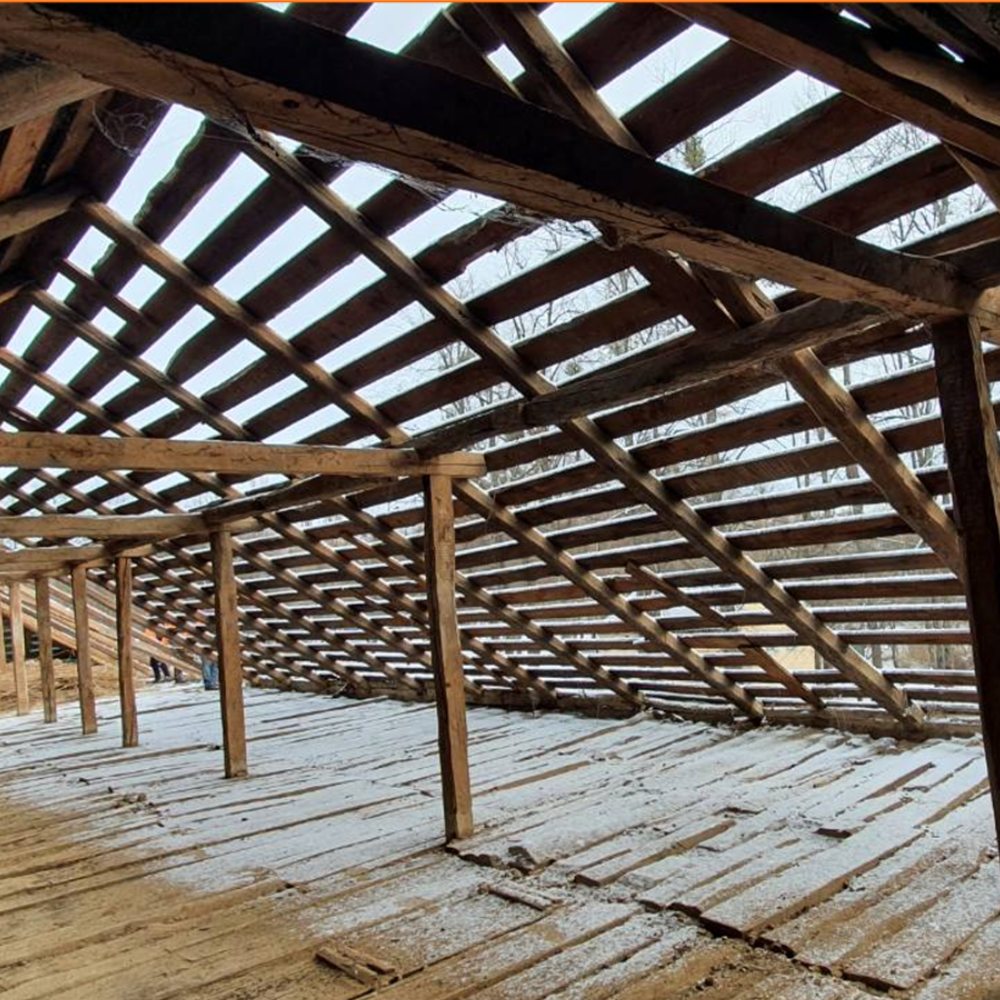
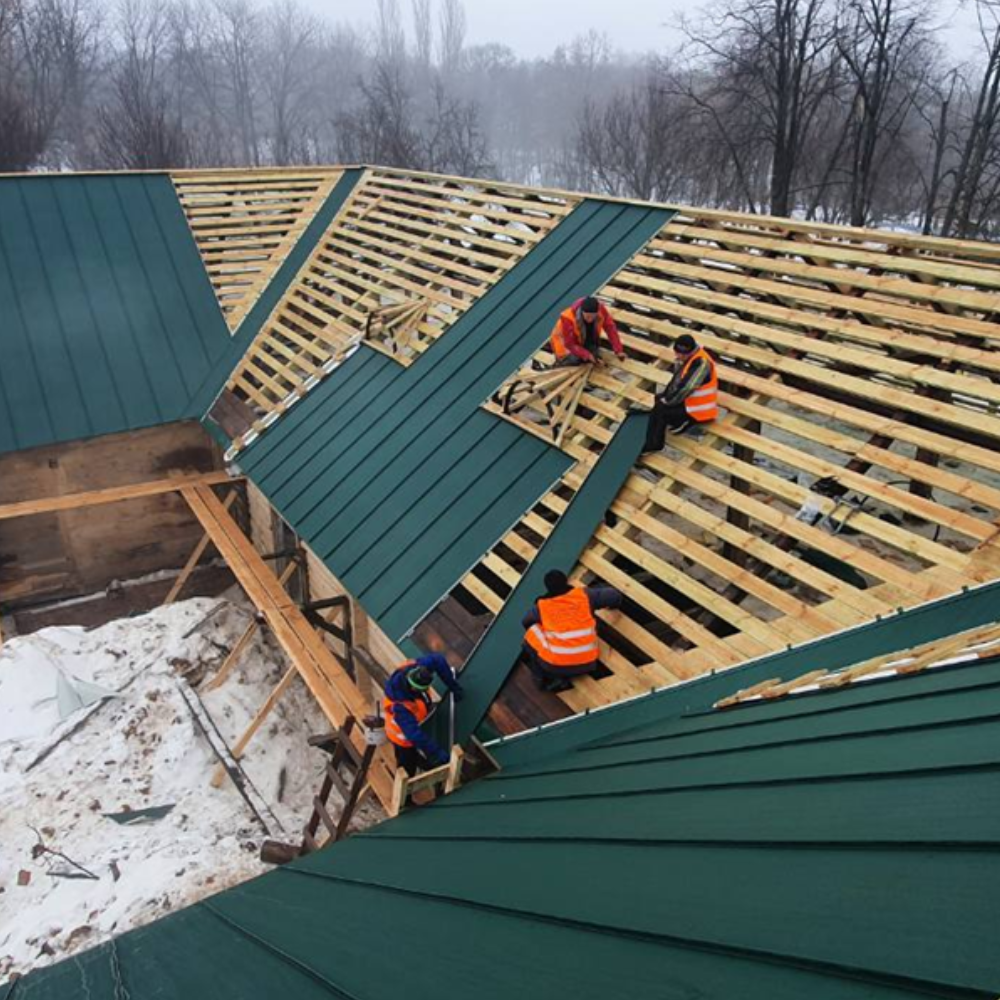
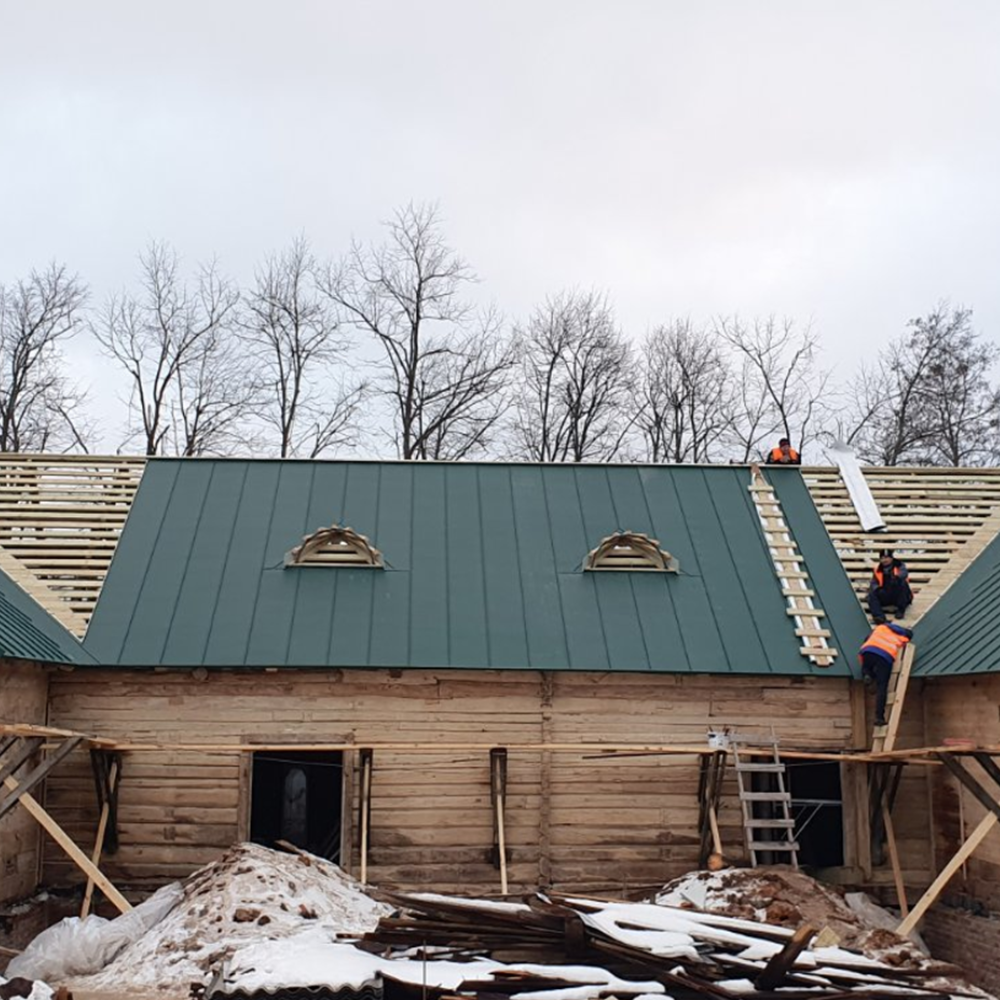
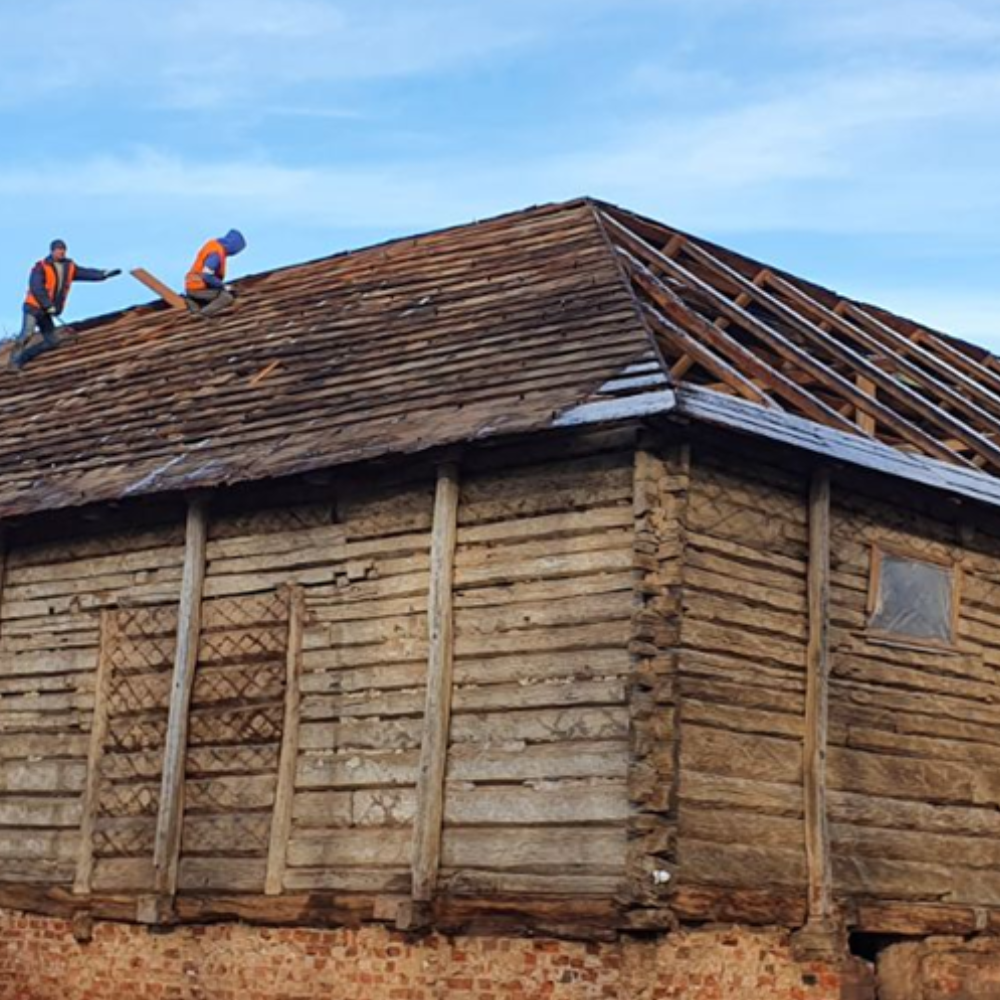
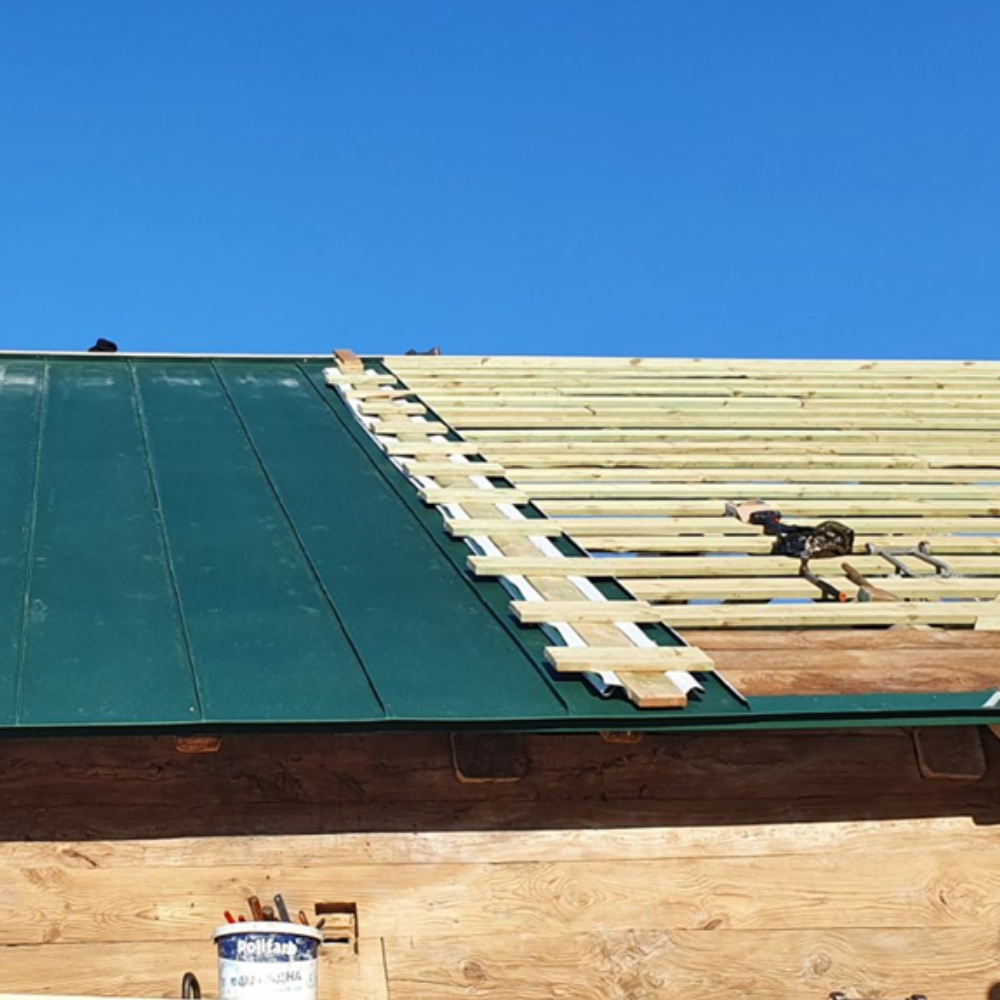
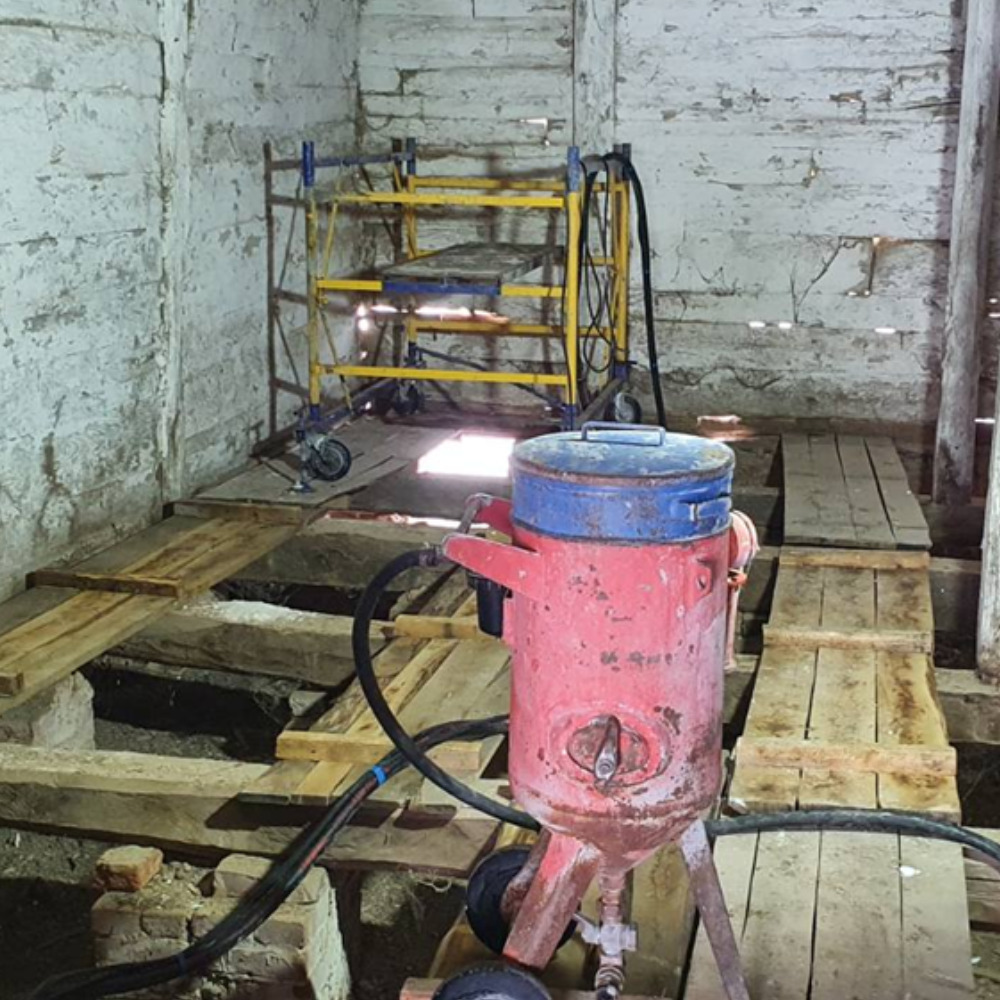
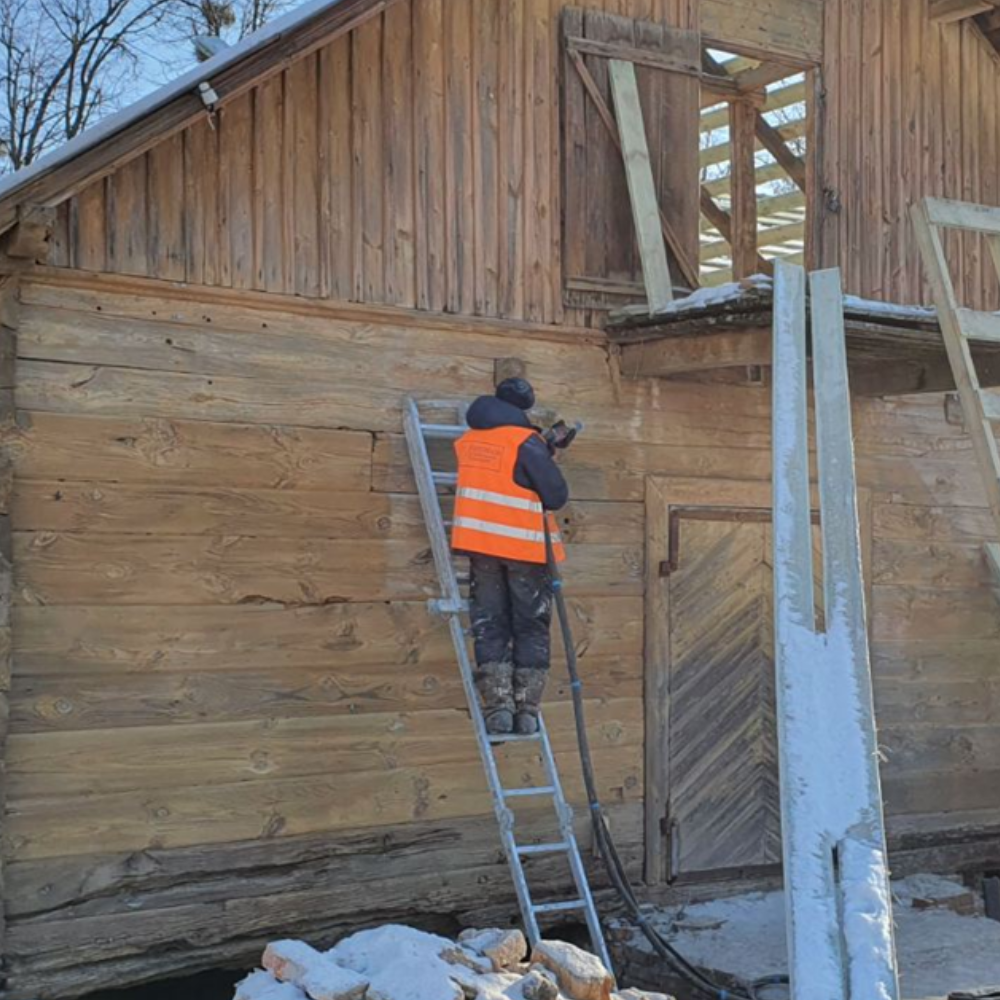
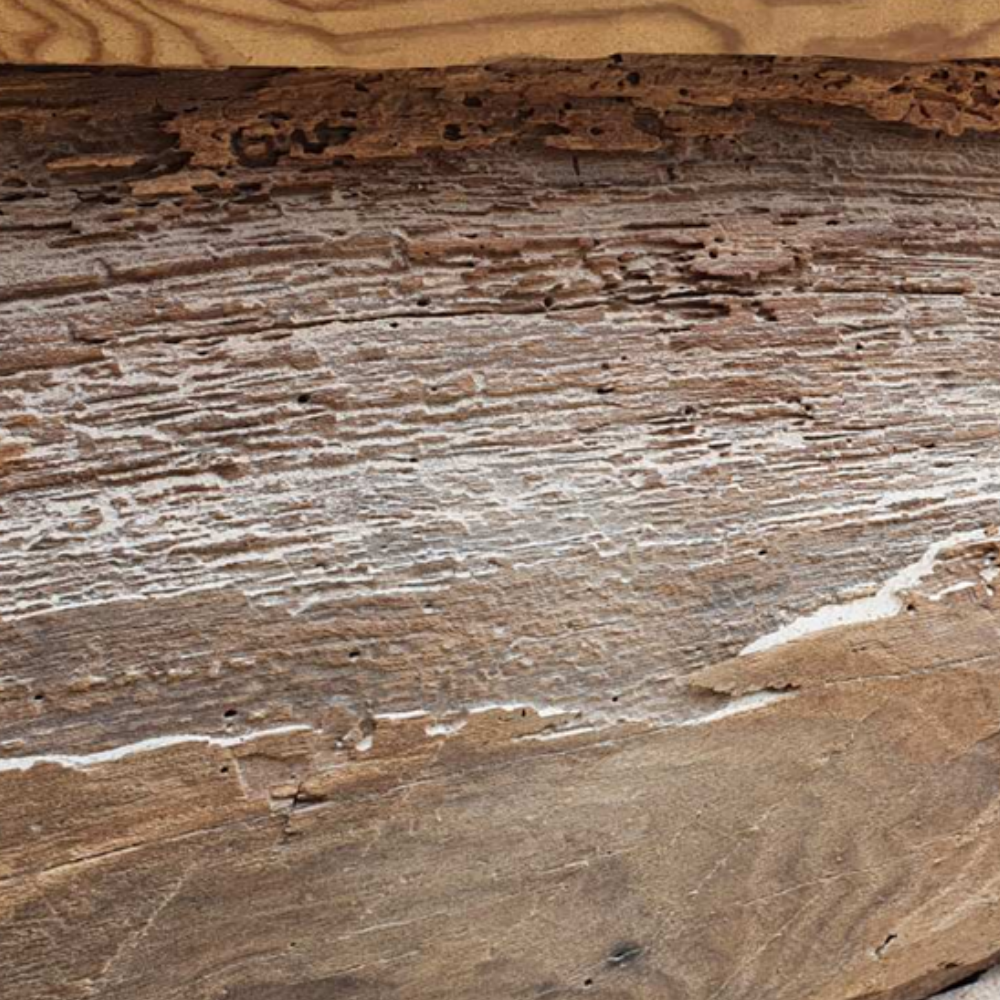
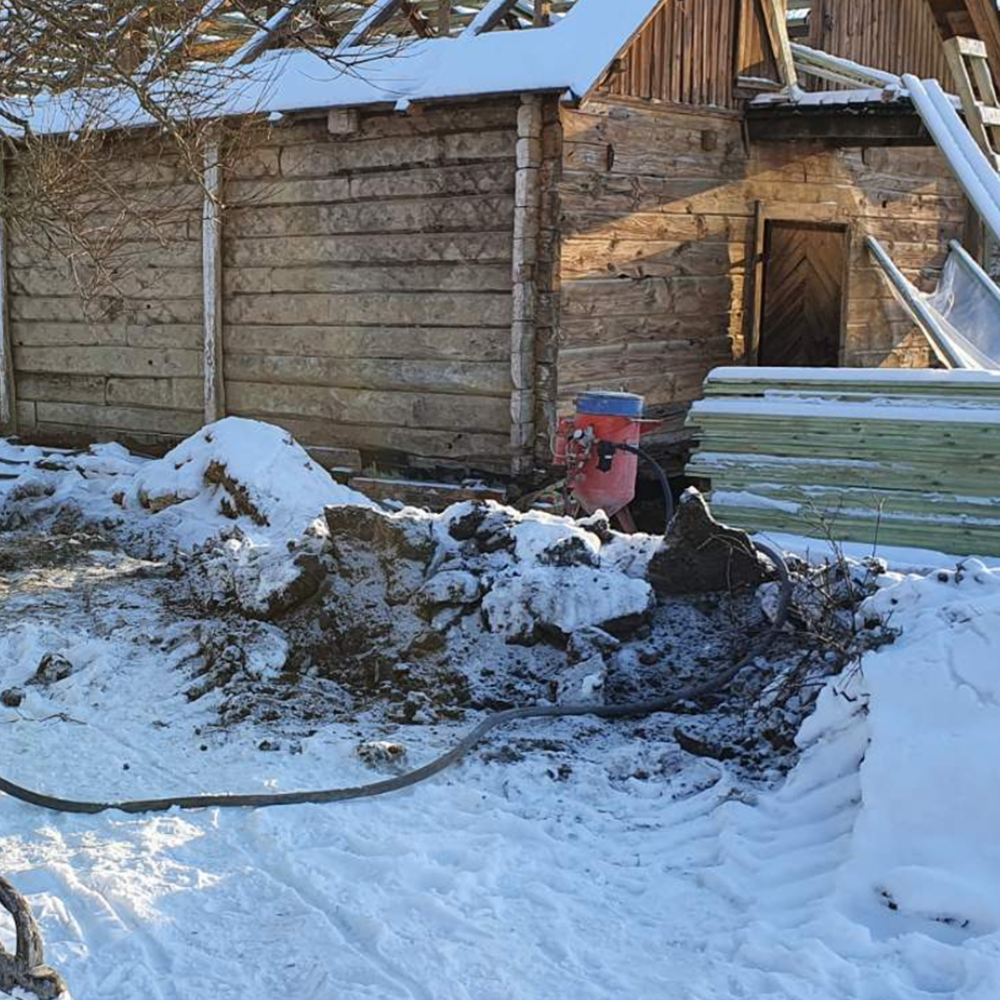
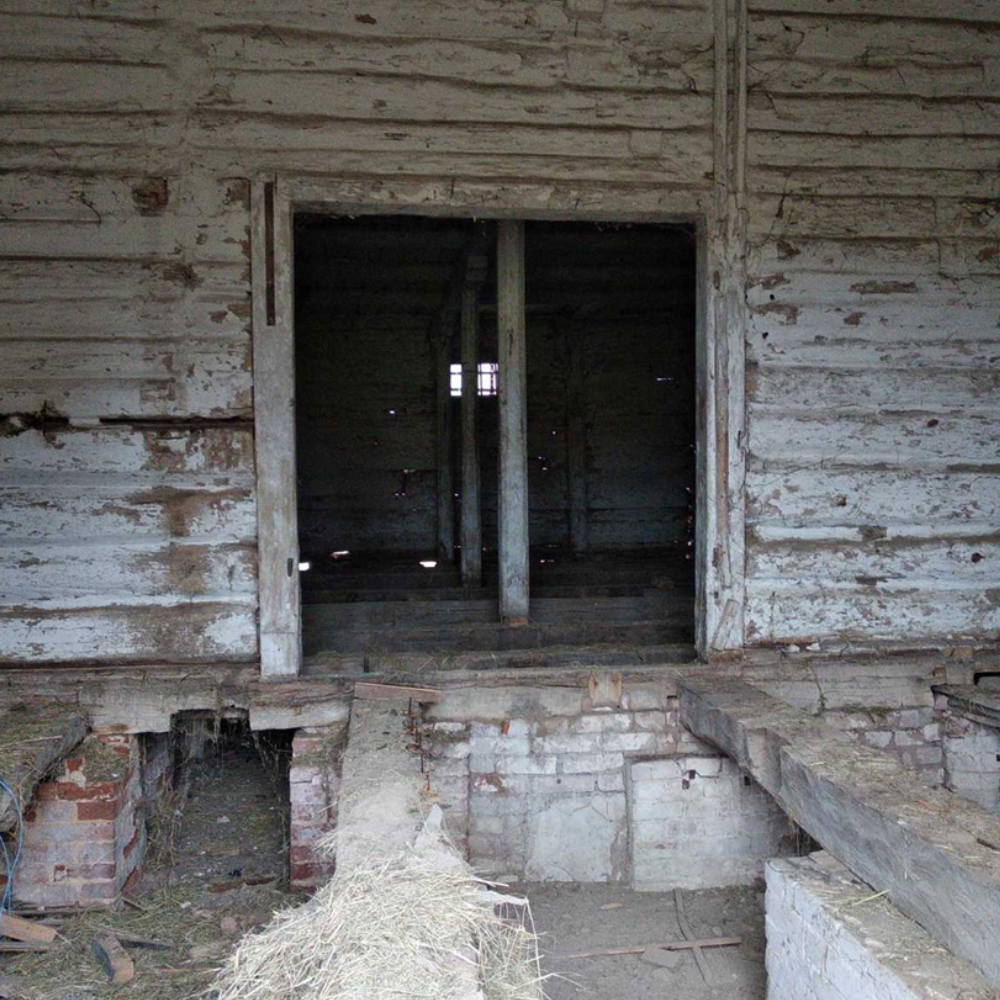
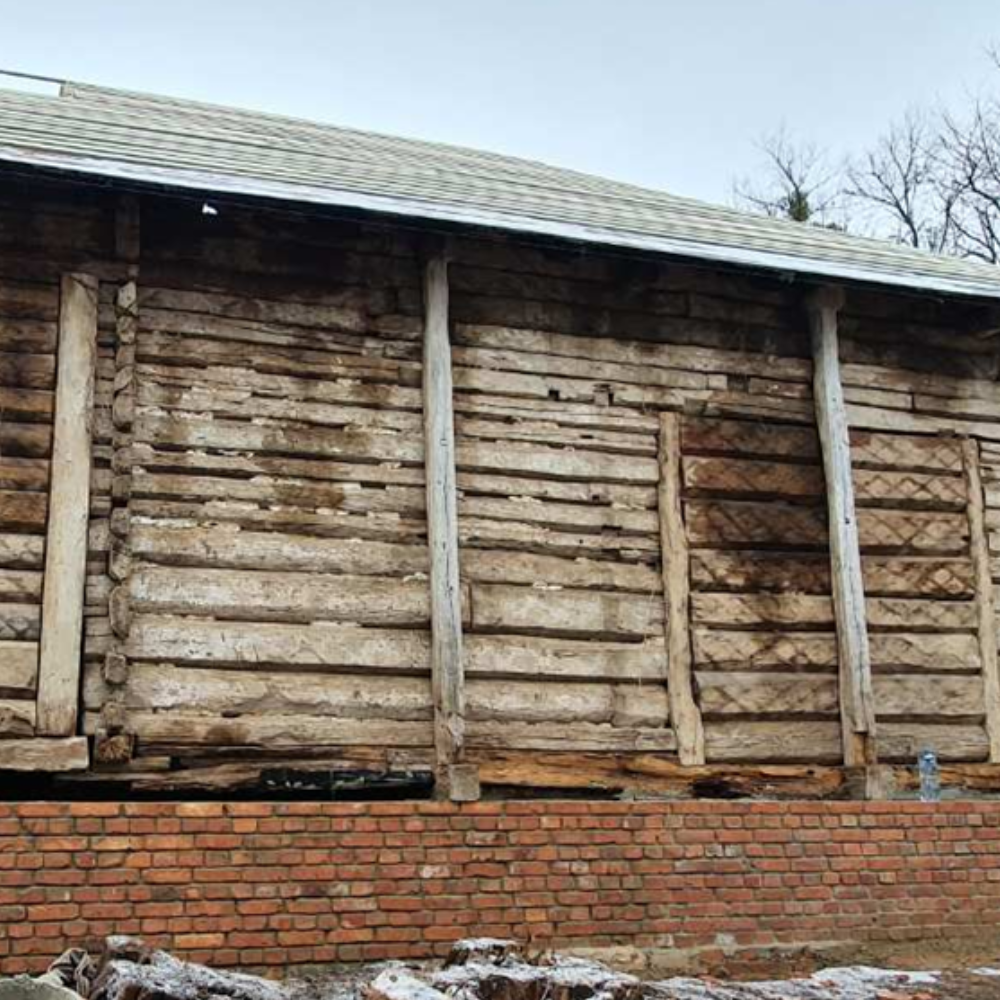
This very barn, being an important economic structure and part of the historical complex, over time suffered significant destruction. More than a century of exposure to weather conditions and the natural aging of the wood led to critical damage to the load-bearing structures. To preserve this unique monument of wooden architecture, there arose an urgent need for a complex, scientifically grounded restoration.