
Waterproofing of passage elements

Get a free consultation from a process engineer

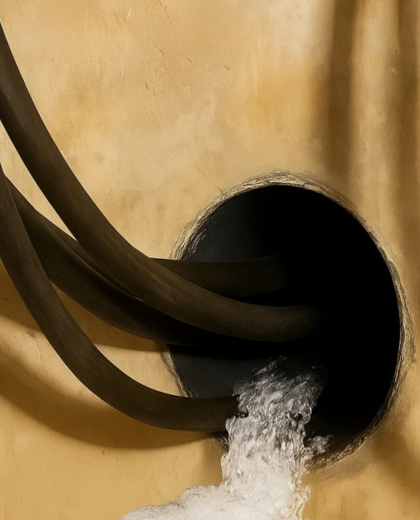
Vulnerability of waterproofing under high loads

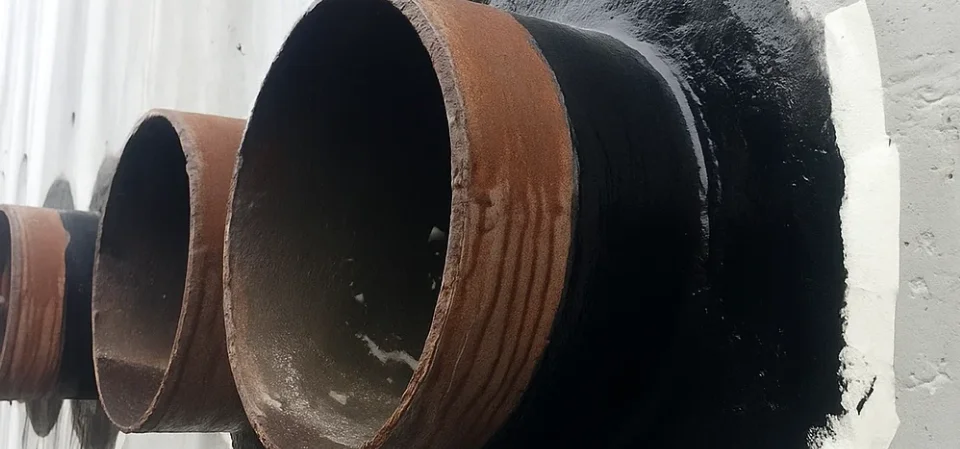
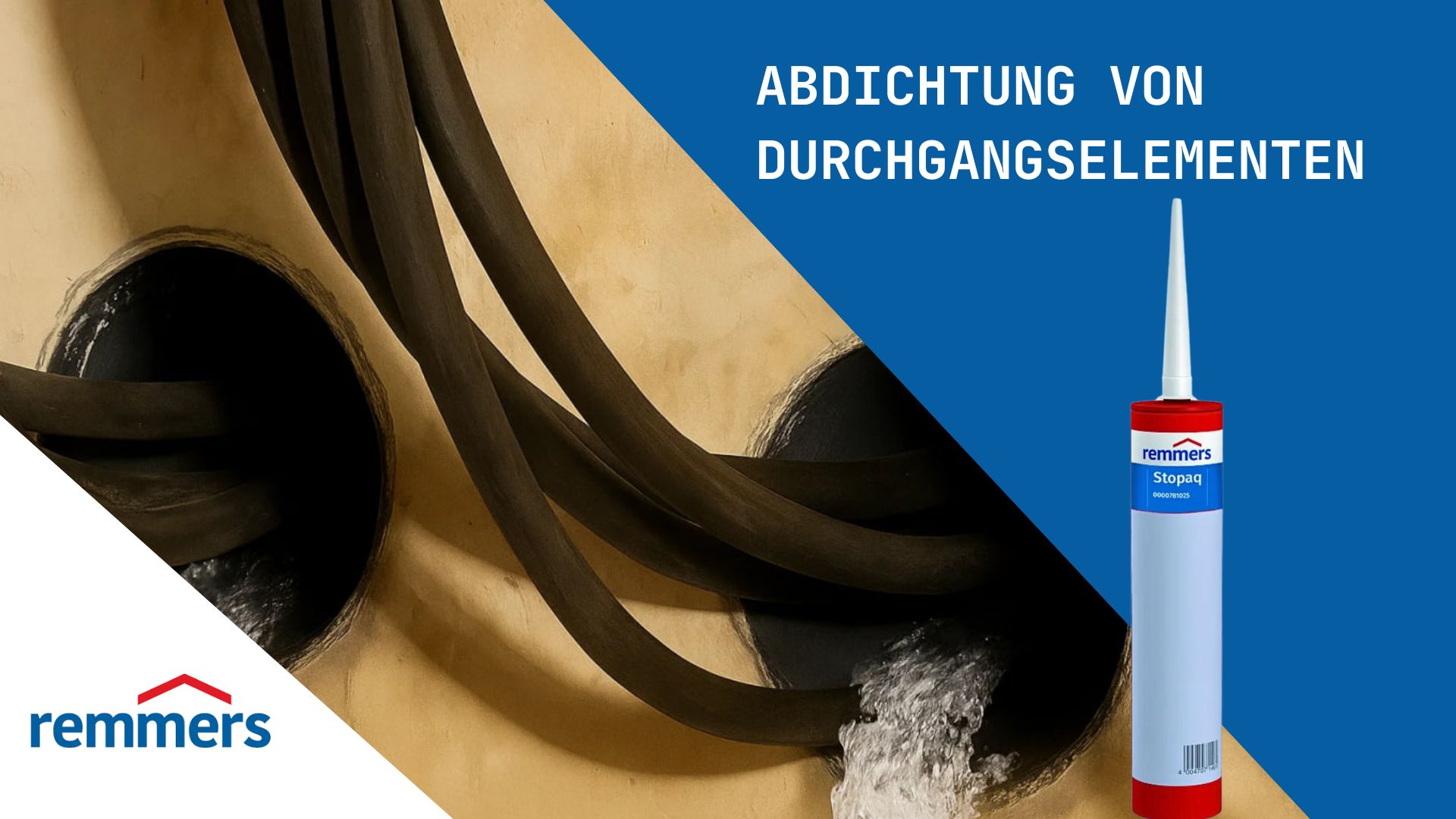
In modern construction, the higher the load on a building, the more attention must be paid to safety in particularly sensitive areas of waterproofing. These primarily include areas where utilities (pipes, cables) pass through the foundation and walls.

Each such passage is a potential area of maximum risk.

These nodes are vulnerable because they violate the integrity of the waterproofing layer, are the junction of dissimilar materials (concrete, metal, plastic, etc.), and, as a rule, are not given due attention when performing waterproofing.

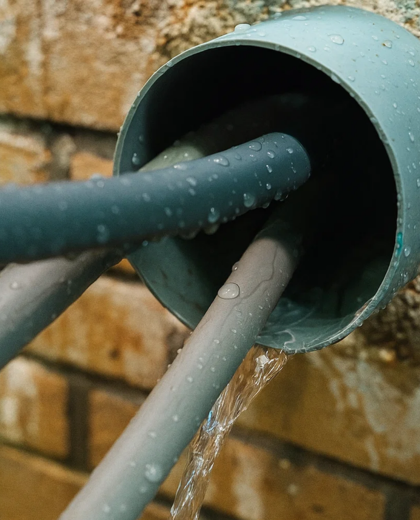
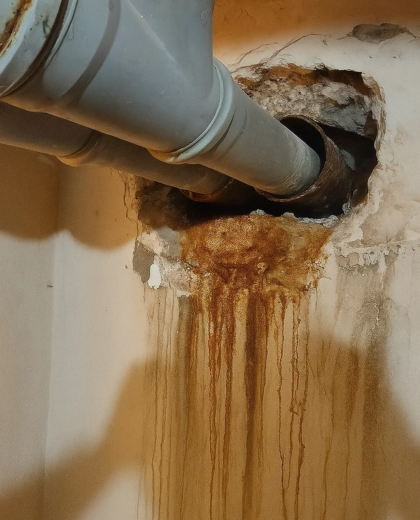
Under hydrostatic pressure or at the slightest structural movement, standard sealing methods at these points often fail. This creates a direct risk of leakage, leading to costly repairs and compromising the reliability of the entire structure.

Solution

Ми представляємо комплексний підхід до забезпечення герметичності та довговічності введення комунікацій і прохідних елементів. Залежно від проектного завдання, типу конструкції та умов експлуатації, ми пропонуємо два технологічних варіанти рішення.

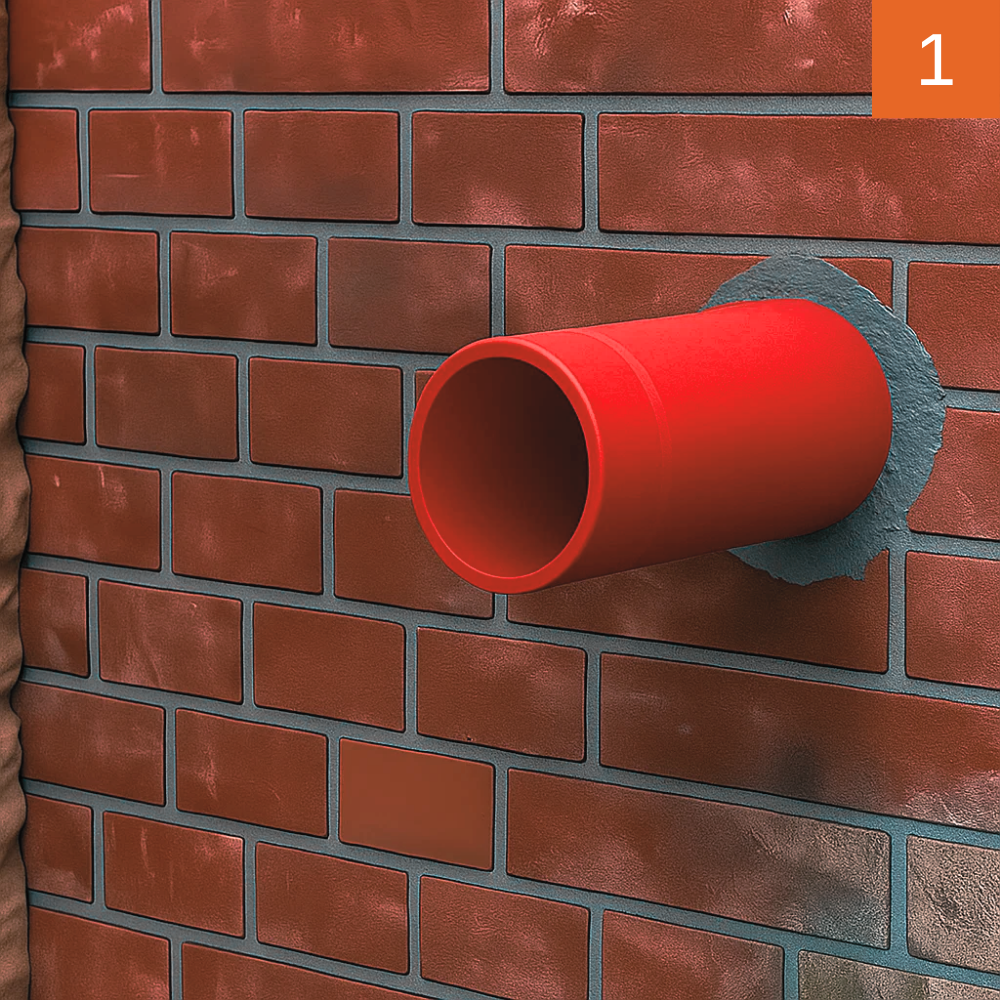
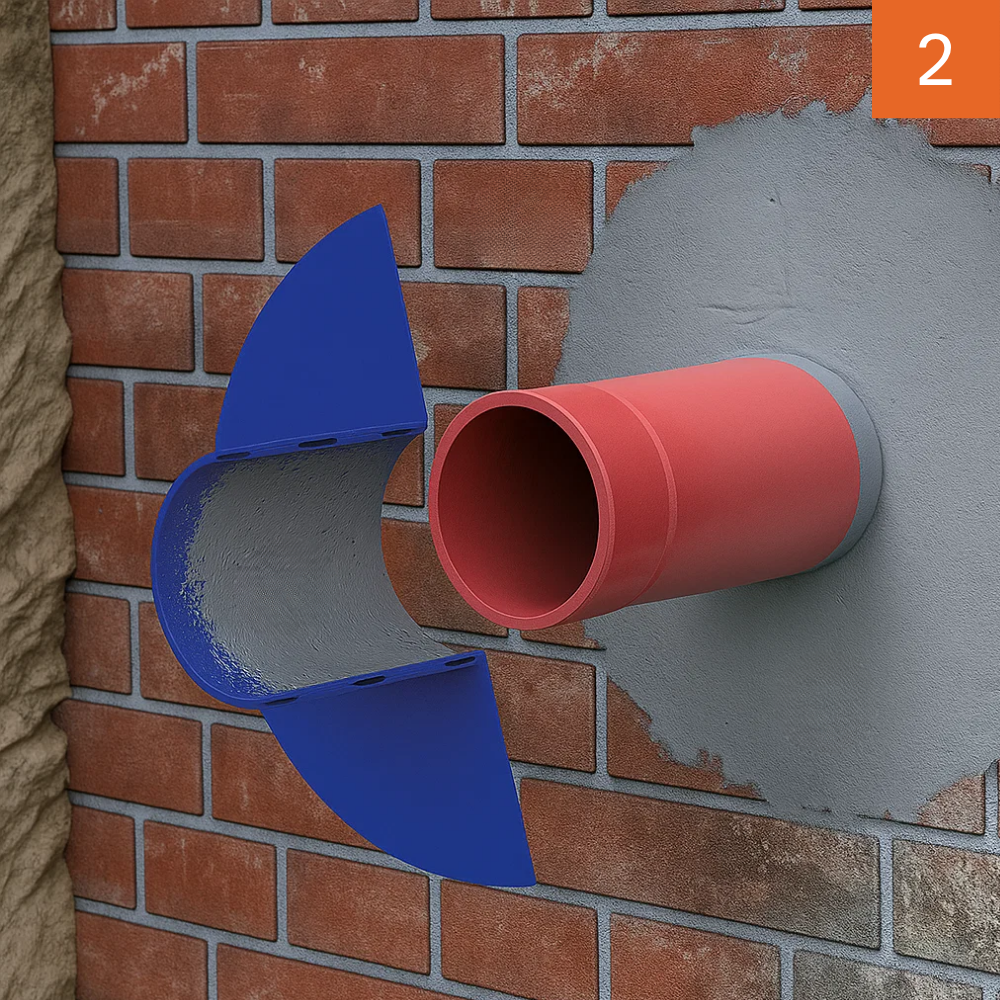
1. Technology for reliable waterproofing of passage nodes using system pipe flanges.

This technology ensures:

Proven water pressure tightness (up to 5 m water column)
Strong and reliable bonding of the flange to the base and pipe
Optimal bonding with flexible polymer-modified waterproofing coatings

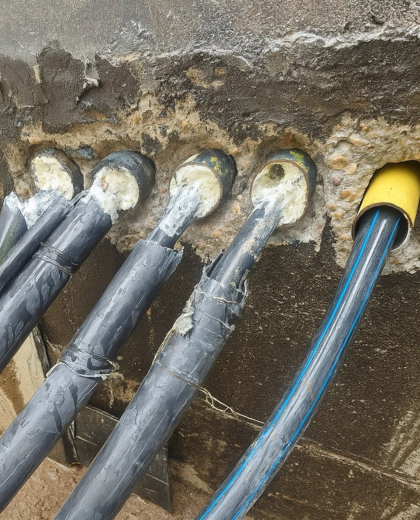
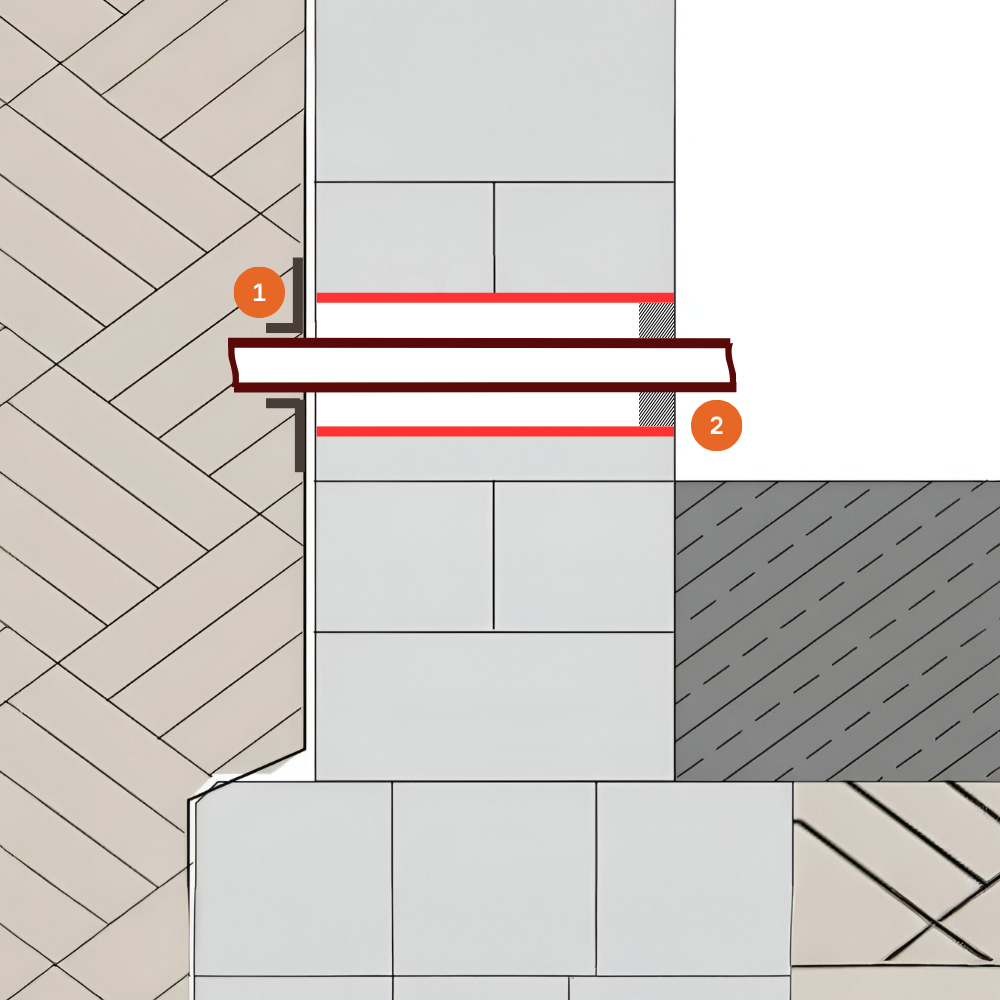
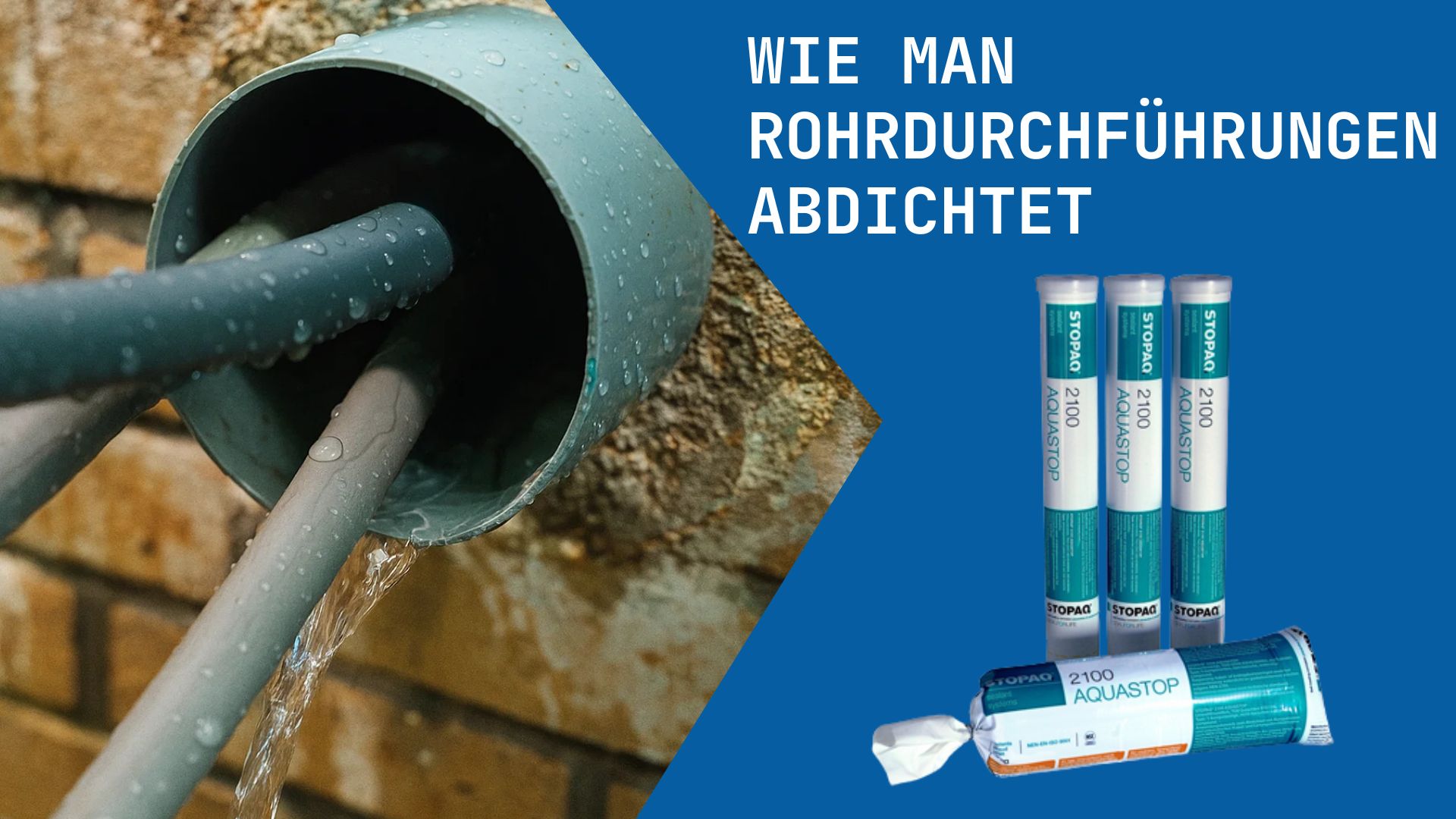
2. Technology for permanent waterproofing protection in pipe and utility passageways by filling the inter-pipe space with a special water-reactive sealant

This technology ensures:

Permanent and non-aging waterproofing barrier
Complete blocking of water and radon penetration
Guaranteed filling of the entire cavity volume

How the technology works — step by step

Waterproofing of utility passage nodes using system pipe flanges. Waterproofing in places where utilities pass through by filling the space between pipes with a special water-reactive sealant
1

1. Preparing the base

The base must be rough, dry, and free of dust. The pipe must be secured in such a way that it cannot shift during sealing work.

2. Applying adhesive and installing flanges

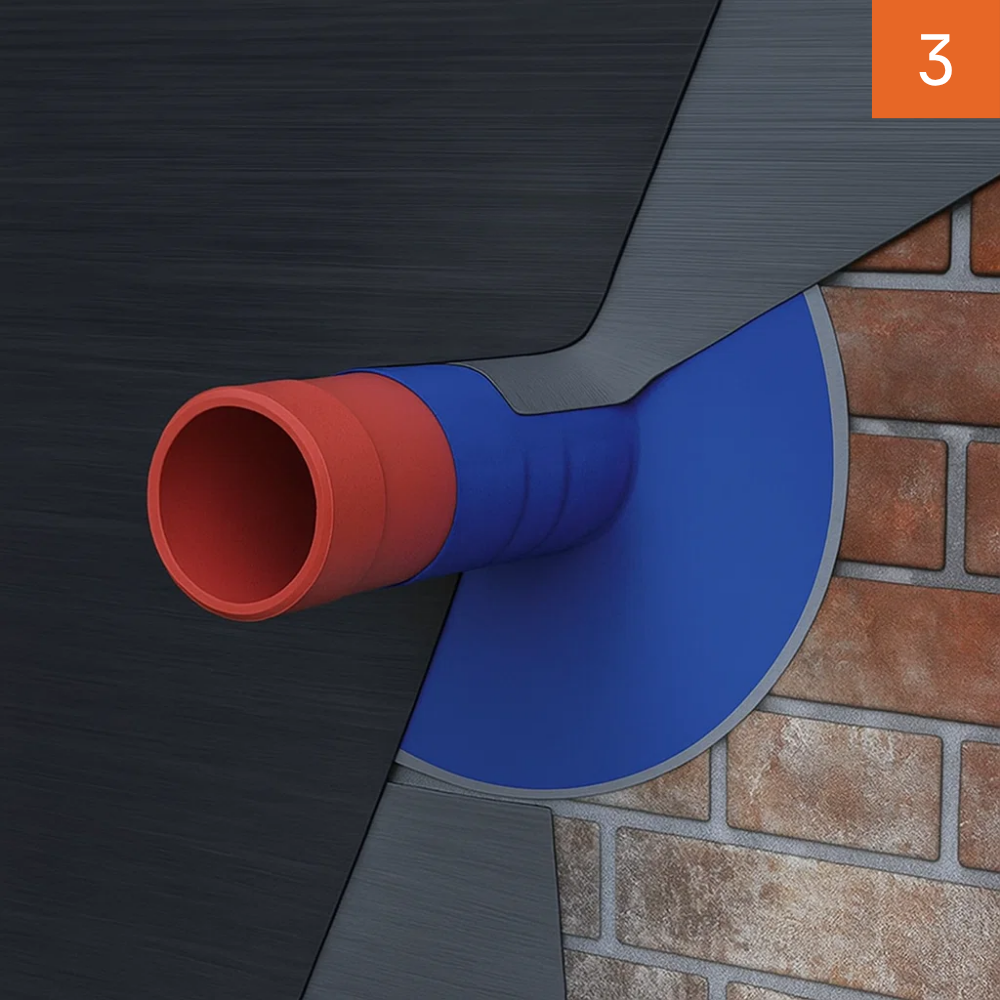
The adhesive is applied to the pipe flange and the wall base. Both halves of the flange are fastened around the pipe.

3. Waterproofing

Waterproofing is applied to the wall with an overlap onto the flange.

1. Preliminary preparation

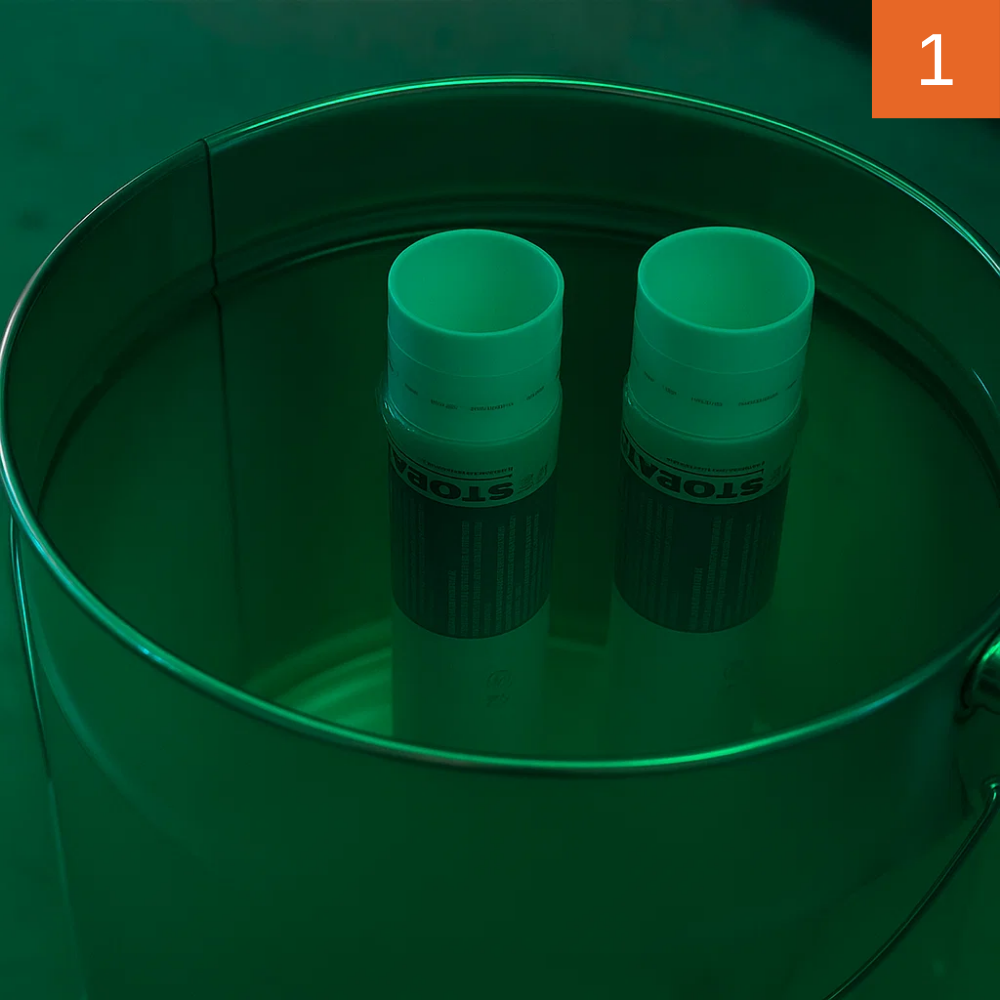
Preheat the cartridges with the material, for example, in a bucket of warm water. The temperature should not exceed 30°C.

2. Cleaning the channel

Clean the channel (sleeve) to a depth of at least 150 mm. Contamination must be completely removed.

3. Installing the foam barrier

Insert the foam barrier into the channel to a depth of 150 mm.

4. Separating the cables

If there are several cables in the duct, separate them so that there is a distance of at least 10 mm between them.

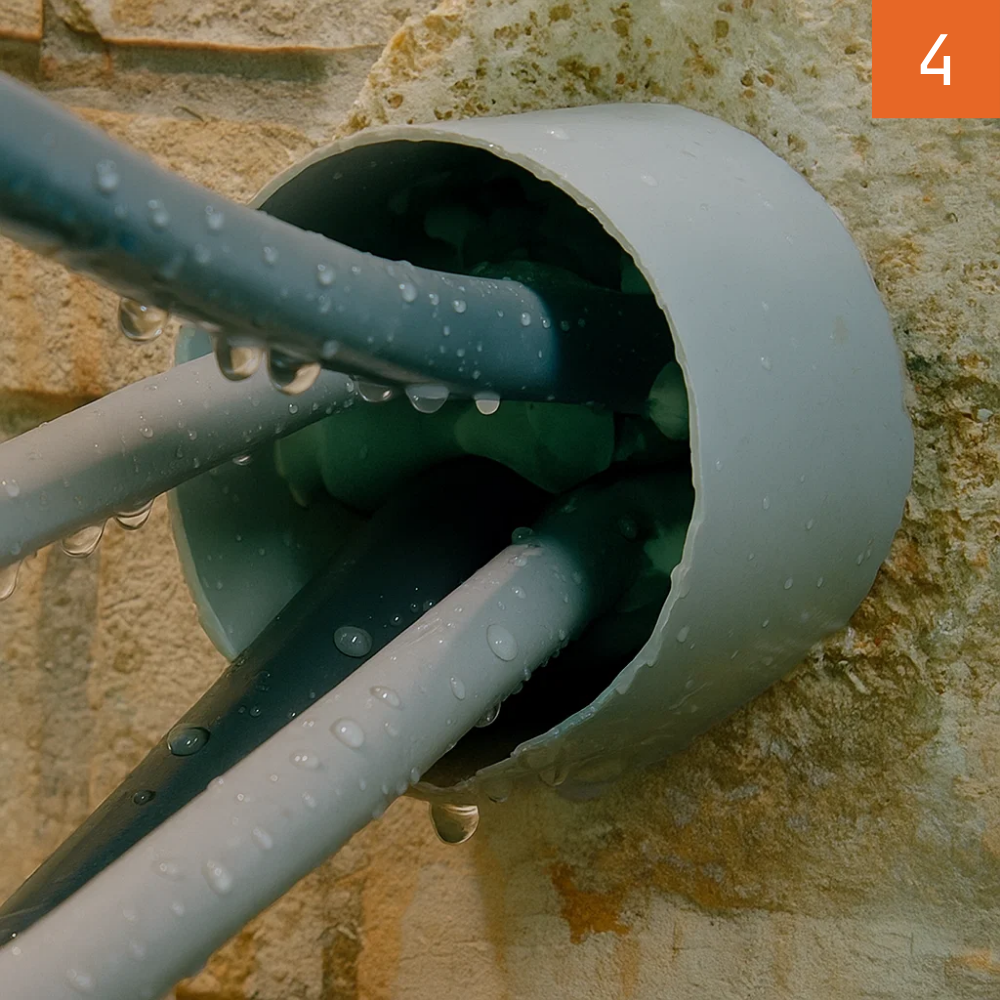
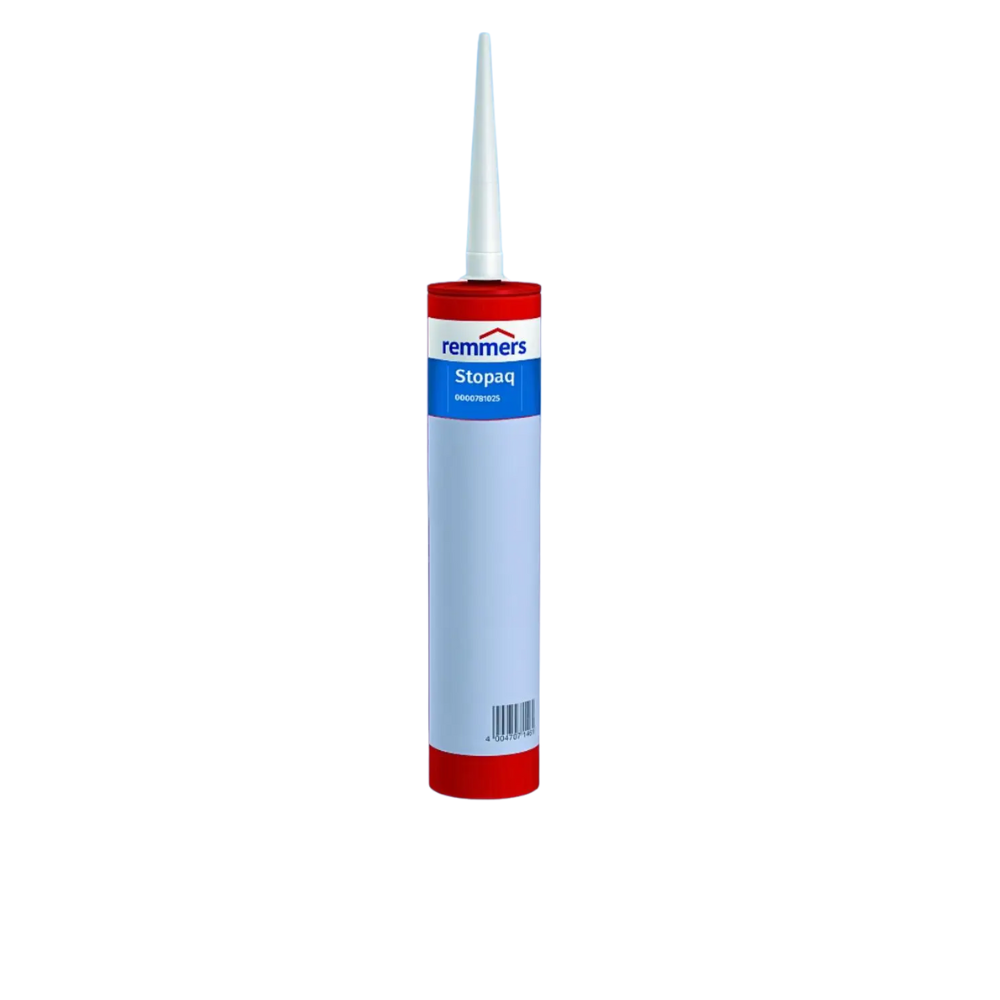
5. Applying STOPAQ 310

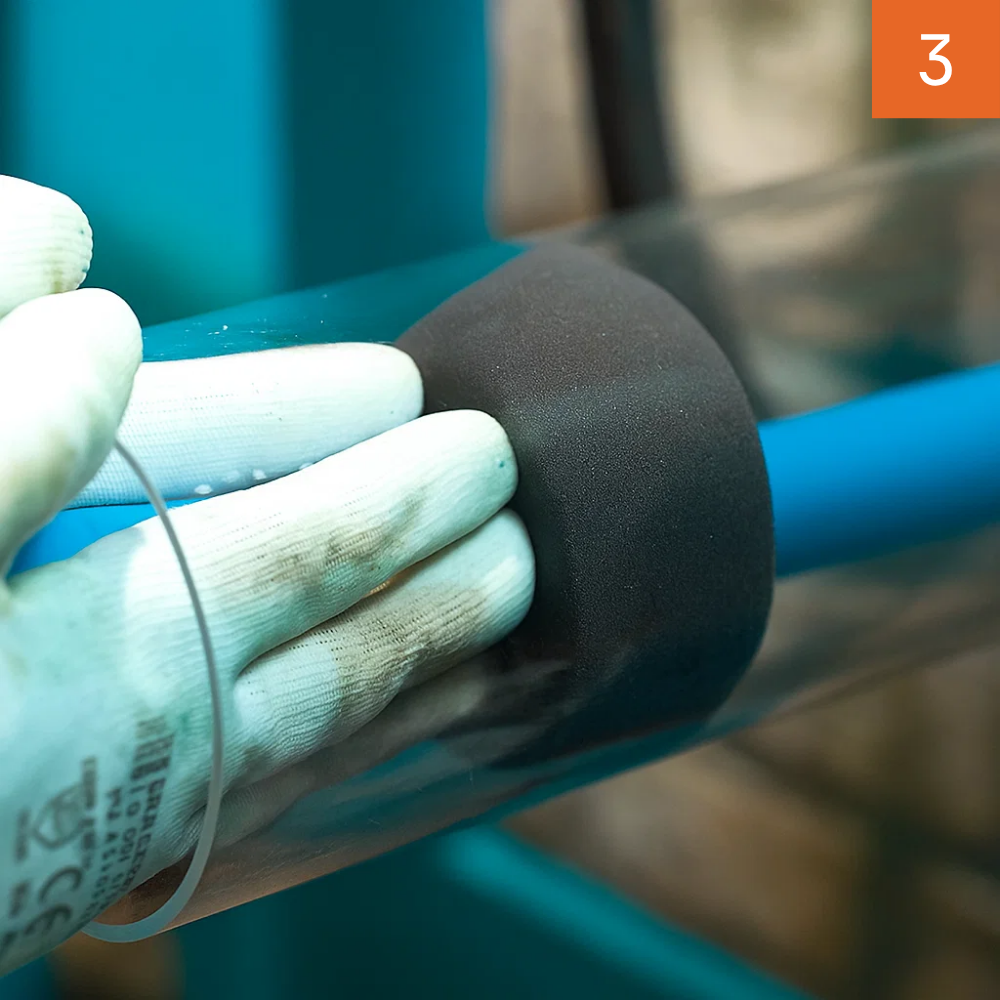
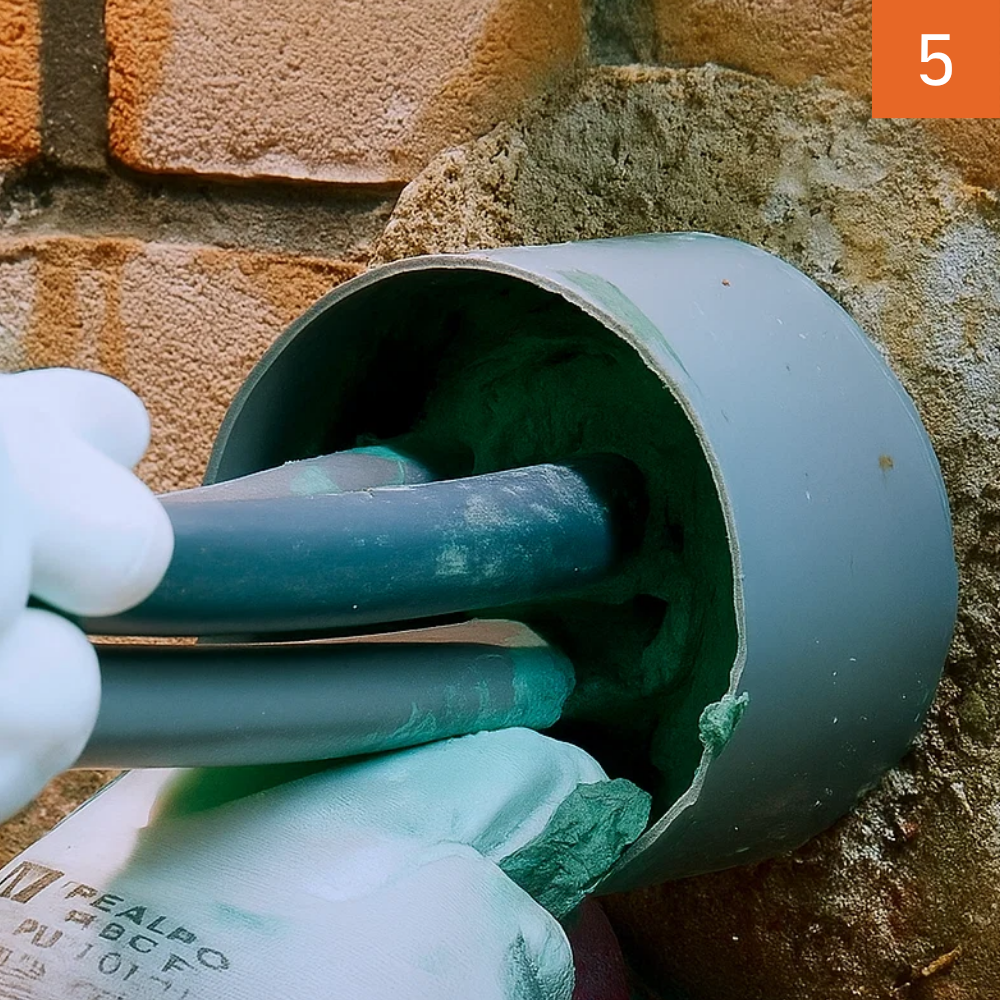
Apply 100 mm of STOPAQ 310 sealant. Start applying from the rear (from the foam barrier) to the front and move from bottom to top to prevent air pockets from forming.

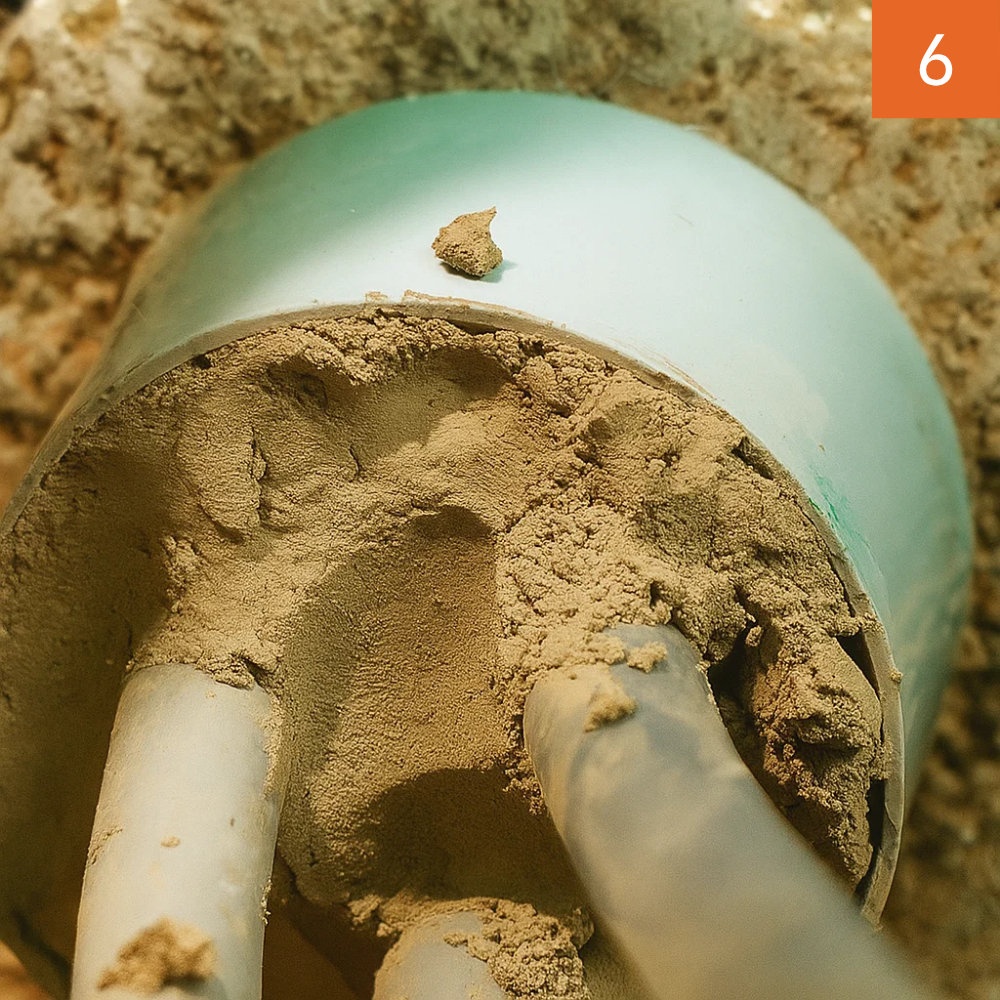
6. Cleaning and filling the channel with solution

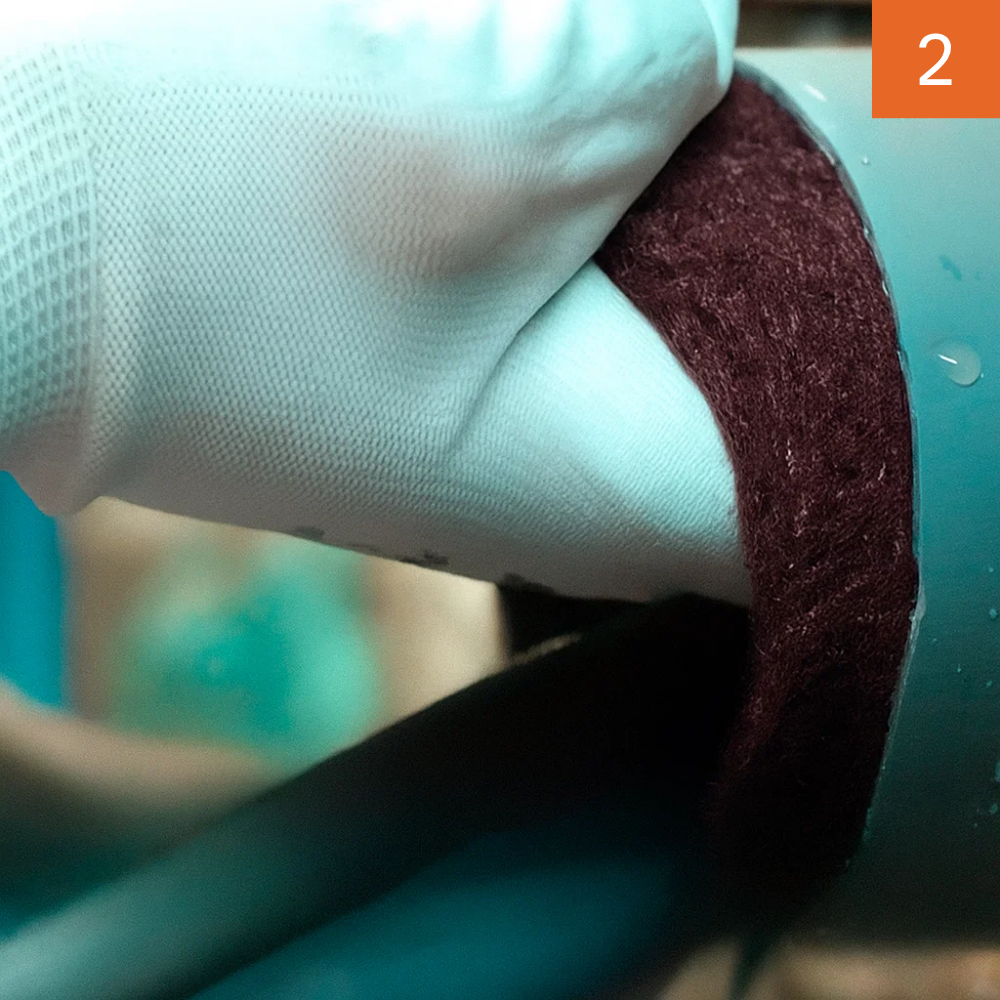
Clean the remaining 50 mm of the channel. If a PVC pipe is used in the channel, lightly sand its surface in this area for better adhesion. Fill the remaining 50 mm of the channel tightly with the prepared solution, completing the sealing of the assembly.

Advantages of the technology

Long-lasting reliability

Guaranteed protection against leaks and corrosion that retains its properties for decades. STOPAQ material is "age-resistant," and the Remmers system has been pressure tested.

Absolute tightness

Complete blocking of water, moisture, and oxygen. The Remmers flange system has proven its tightness at a water column pressure of up to 5 meters.

Comprehensive approach

We solve any problem: from waterproofing wall-pipe joints to corrosion protection and sealing inside sleeves.

Proven effectiveness

The technologies provide fast and measurable results immediately after installation, solving the problem "here and now" without long waits.

Protection of structures and communications

Prevention of building damage from moisture and protection of pipes/cables from corrosion, extending the service life of the entire facility.

Technological efficiency

The use of modern engineering solutions and polymer materials, which surpass traditional methods (such as stamping or coating) in terms of reliability and speed of installation.

How it looks on real objects

Watch our videos

Frequently Asked Questions (FAQ)

Is it possible to perform work if there is already an active leak?
Yes, STOPAQ 310 technology is specially designed to seal leaks even under pressure. The material displaces water and instantly seals the joint.
How reliable is the Remmers flange system?
This is a proven engineering solution. The flange guarantees tightness under direct water pressure (up to 5 m water column) and creates a monolithic, durable connection with the main waterproofing of the building.
Why do you need STOPAQ if you have a Remmers flange?
They solve different problems. The Remmers flange seals the pipe penetration through the wall from the outside. STOPAQ fills the space inside the sleeve to protect the pipe from corrosion and block water inside the channel. They are often used in combination. STOPAQ is also often the only method of protection if it is no longer possible to access the outside of the pipe passage.
Can cable bundles be sealed?
ТYes, both systems are ideal for sealing both single pipes and cable bundles. STOPAQ effectively fills the space between cables, and Remmers has special flanges for such entries.
Is complex surface preparation necessary?
Basic preparation is required. For Remmers, the surface must be clean, dry, and solid. For STOPAQ, the channel must be cleaned of dirt and loose particles, but the material itself can be applied even to damp surfaces.
What is the service life of these solutions?
Both technologies are designed to last for decades. STOPAQ is a "timeless" material, and Remmers systems last as long as the high-quality waterproofing of the building itself.

Order materials from our online store

contact-f2.png

Do you have a construction project?
Our engineers turn them into solutions.

Send us an enquiry — we will select the technology and materials that are right for your project.

How we turn your task into a solution:

01

CONTACT WITH THE TECHNOLOGIST

You send us an enquiry – our engineer will contact you to clarify the technical requirements.

02

TECHNOLOGY DEVELOPMENT

We select the appropriate solution and materials and prepare a technical quotation for your project.

03

MATERIAL DELIVERY

We ensure fast and reliable delivery of materials to your construction site.

04

IMPLEMENTATION OF THE SOLUTION

We accompany the implementation of the technology through to the final result – with technical monitoring, guidance or a partner company in your region.

Choose Your Service:

BAUCHEMIE OFFICE

Do you already know which materials you need?

TECHNICAL ENGINEERING OFFICE

Do you require technology development, consulting, training, or supervision?

OFFICE FOR RECONSTRUCTION AND RESTORATION

Are you looking for implementation based on developed technology?

Why customers choose us

1 +
SATISFIED CUSTOMERS

Professionals, builders, planners and property owners have entrusted us with their projects.

1 +
IMPLEMENTED PROJECTS

From private properties to listed buildings – our technologies work throughout the region and beyond.

1 +
PROVEN TECHNOLOGIES

Waterproofing, façade protection, thermal modernisation, flooring, decorative solutions — all tried and tested in practice.

x

Leave a request

    Select the fields to be shown. Others will be hidden. Drag and drop to rearrange the order.
    • Image
    • SKU
    • Rating
    • Price
    • Stock
    • Availability
    • Add to cart
    • Description
    • Content
    • Weight
    • Dimensions
    • Additional information
    Click outside to hide the comparison bar
    Compare