

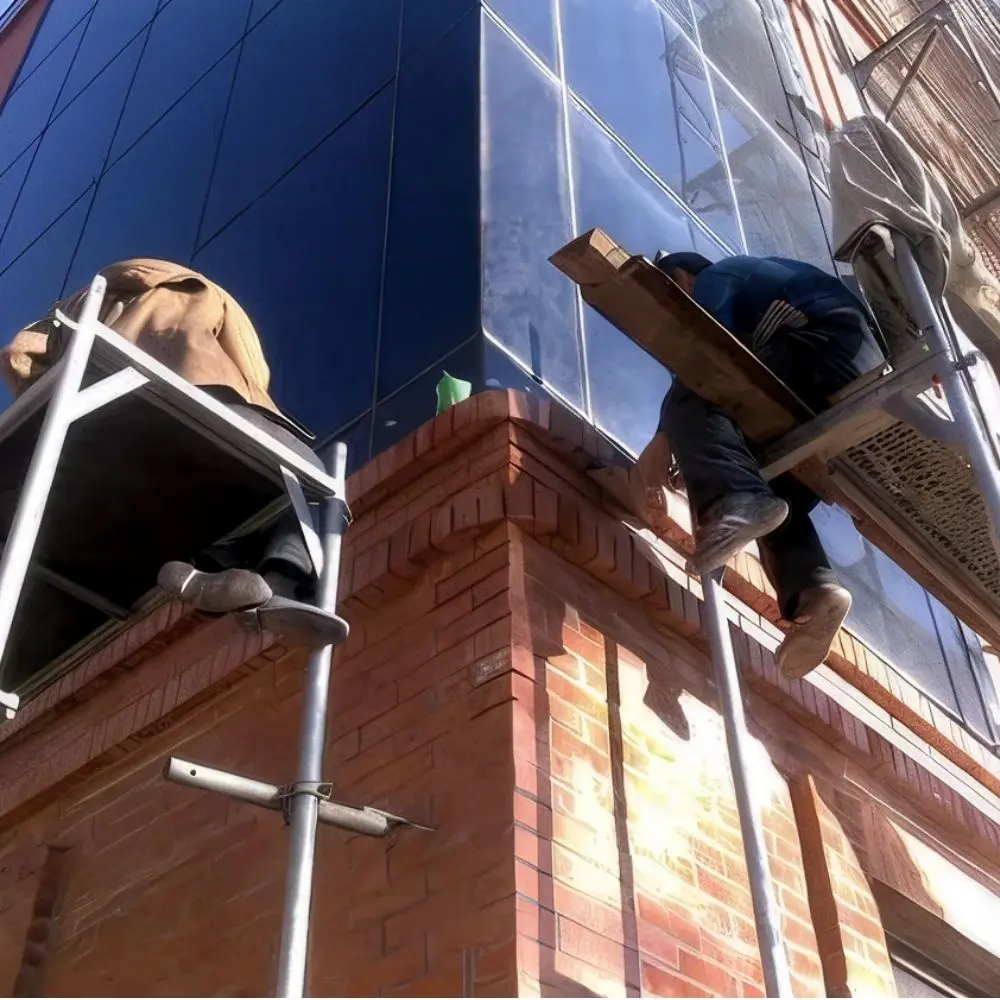
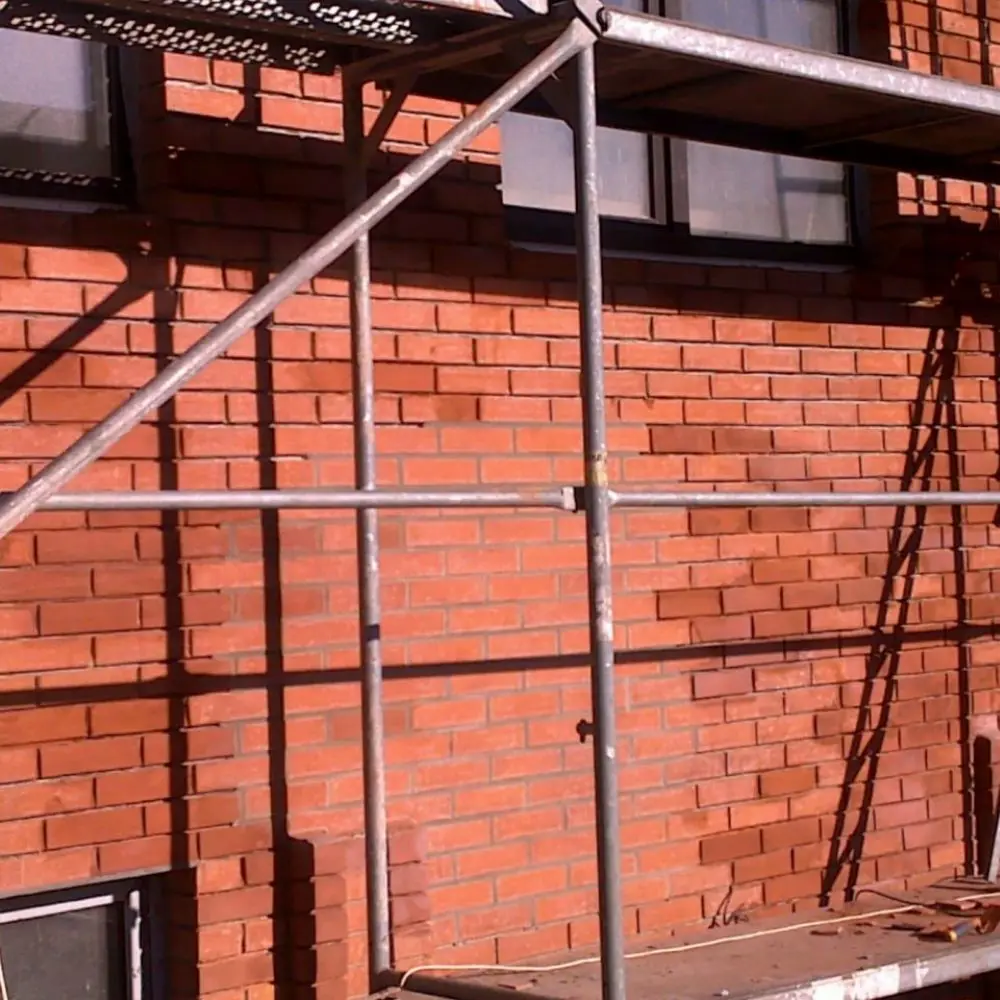
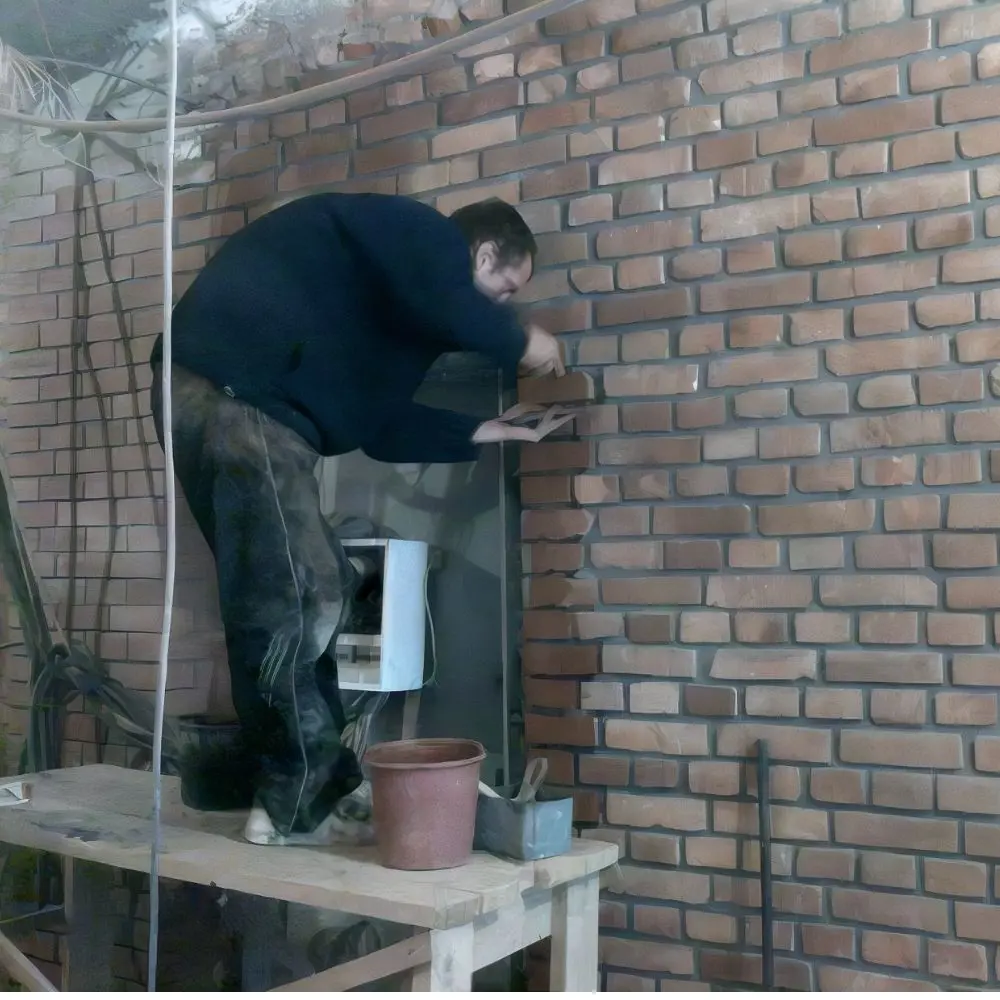
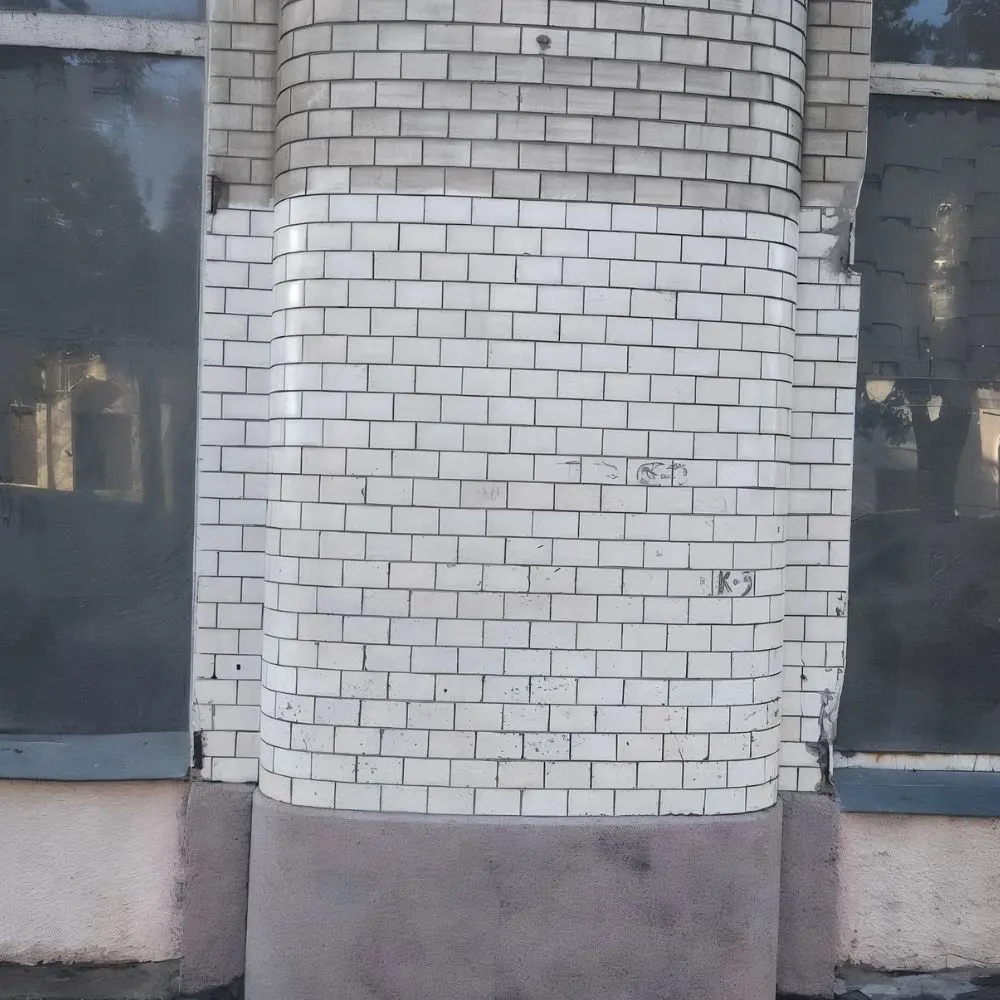
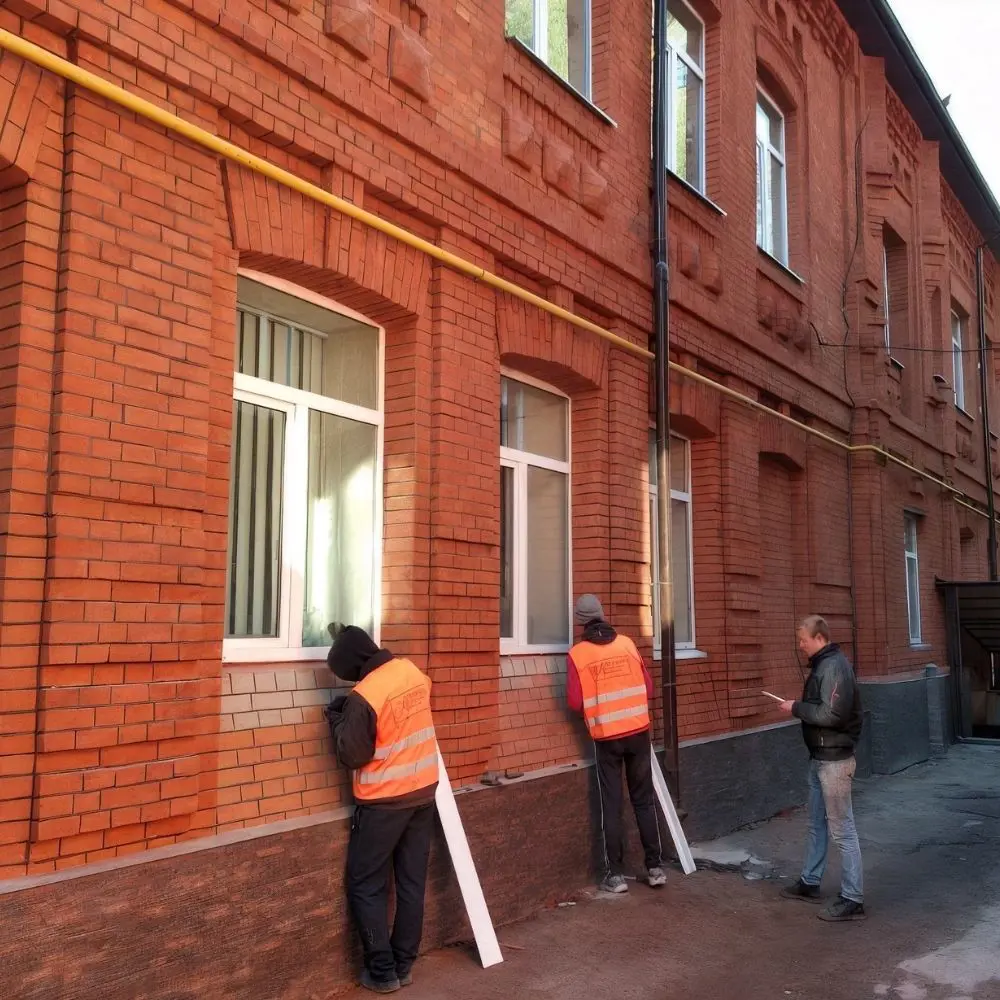
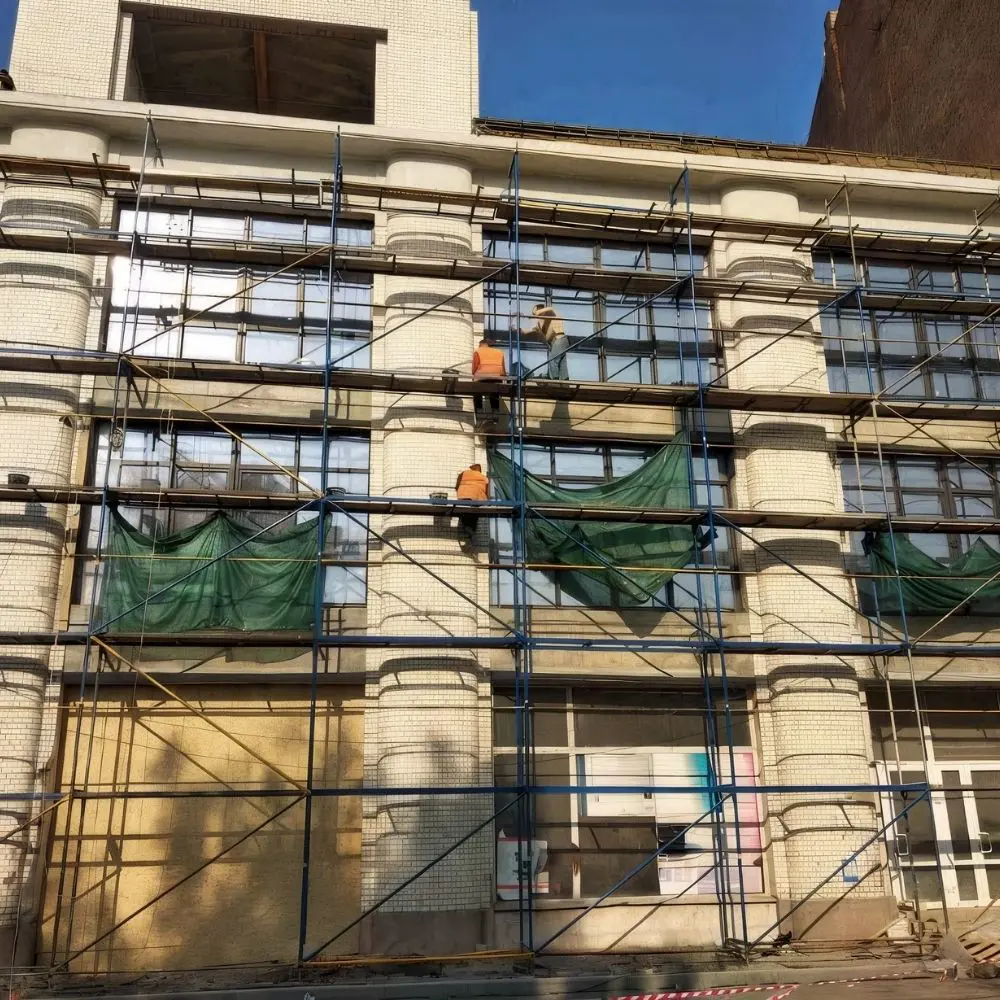
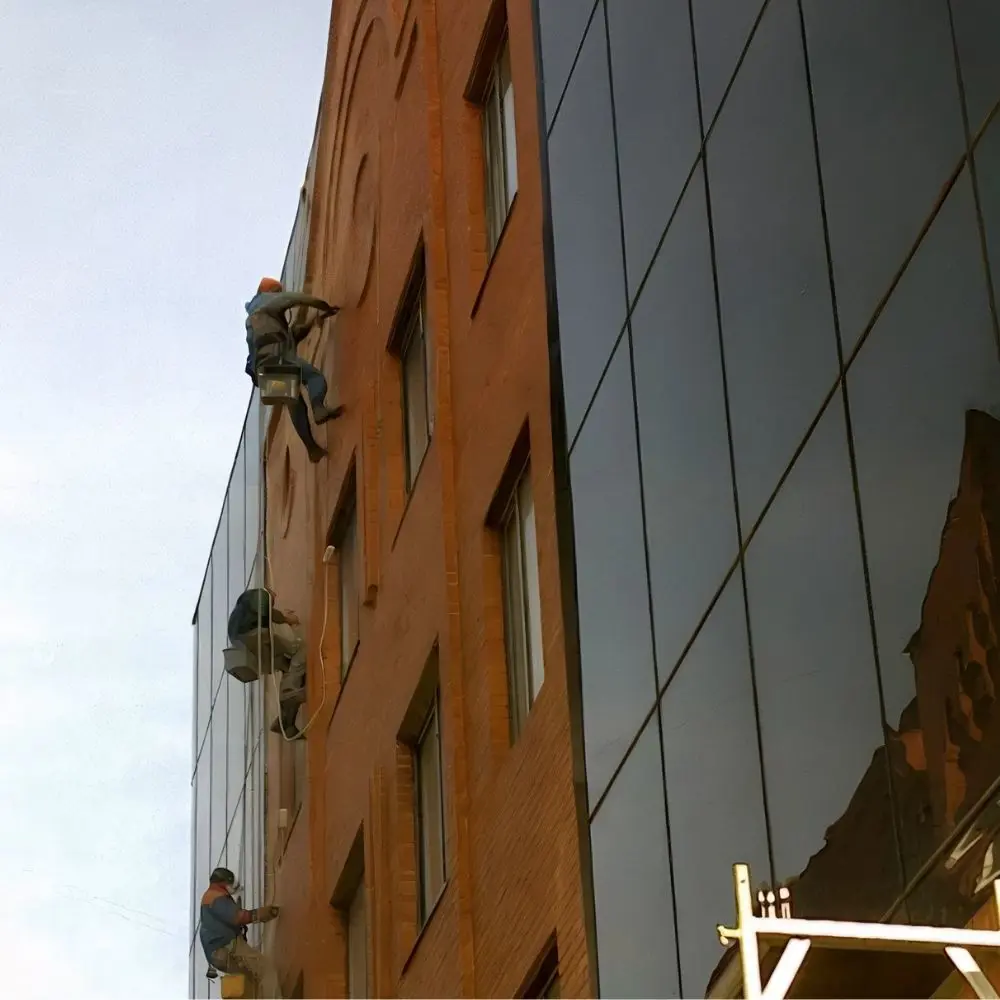
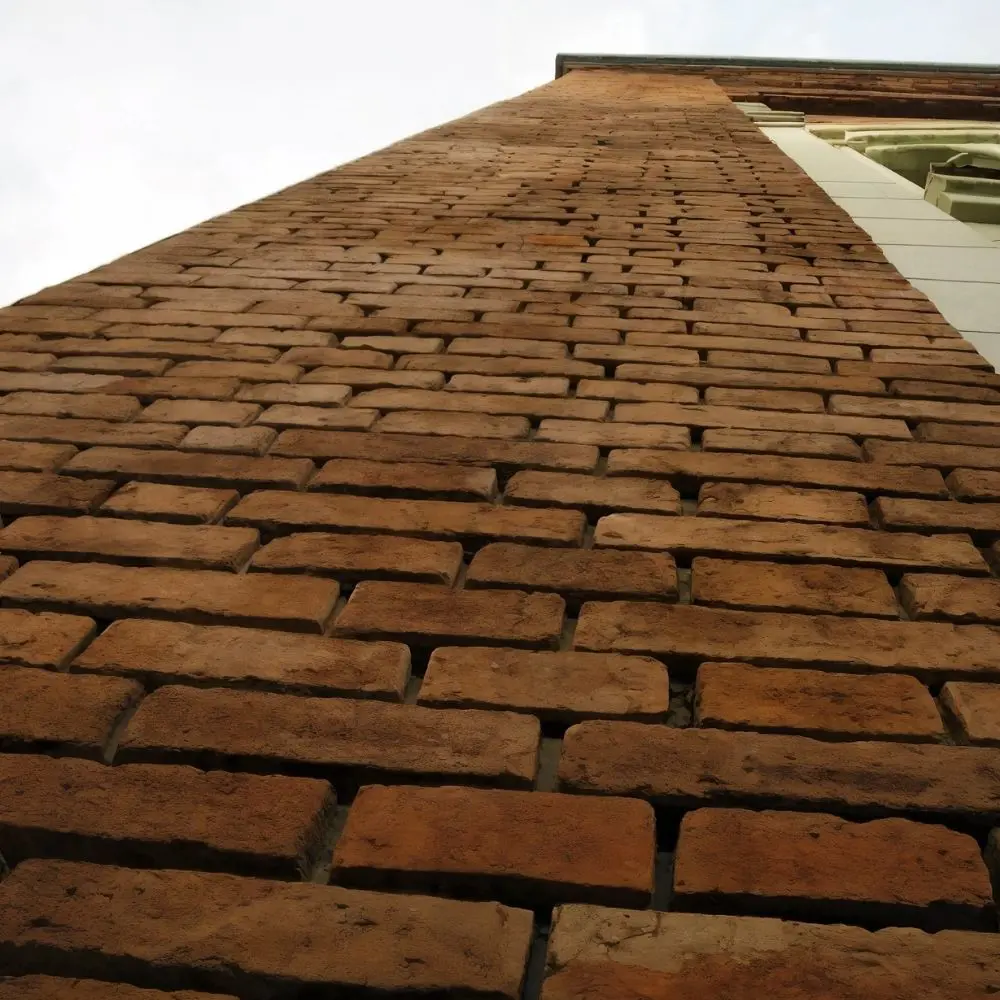
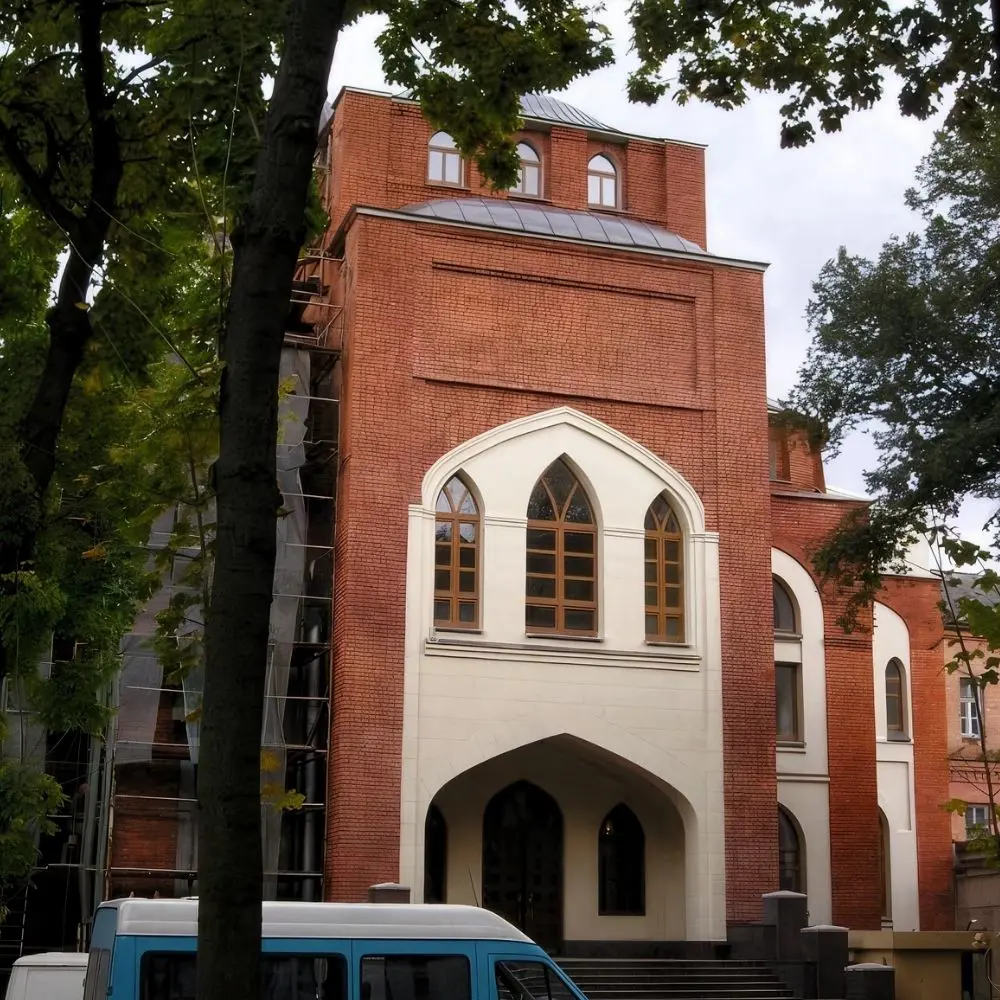

How to Professionally Restore a Brick Facade: Step-by-Step Solution

Cleaning and Restoring Brick Facades

Get free advice from a process engineer

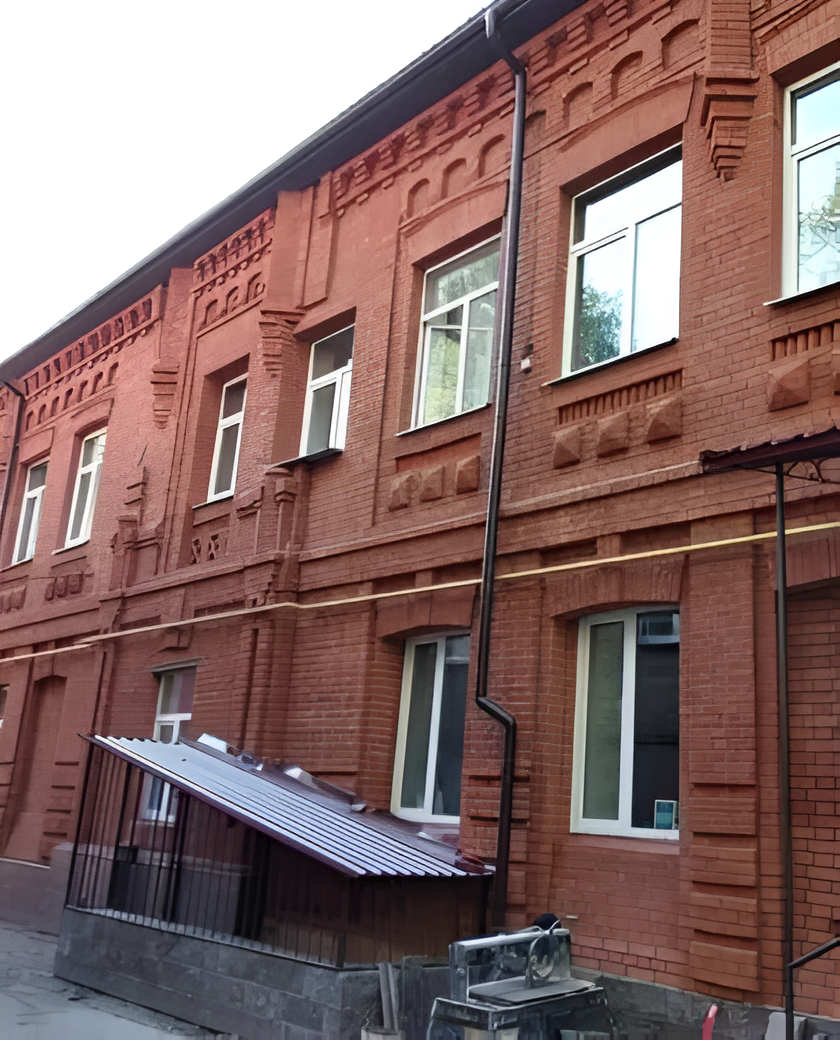
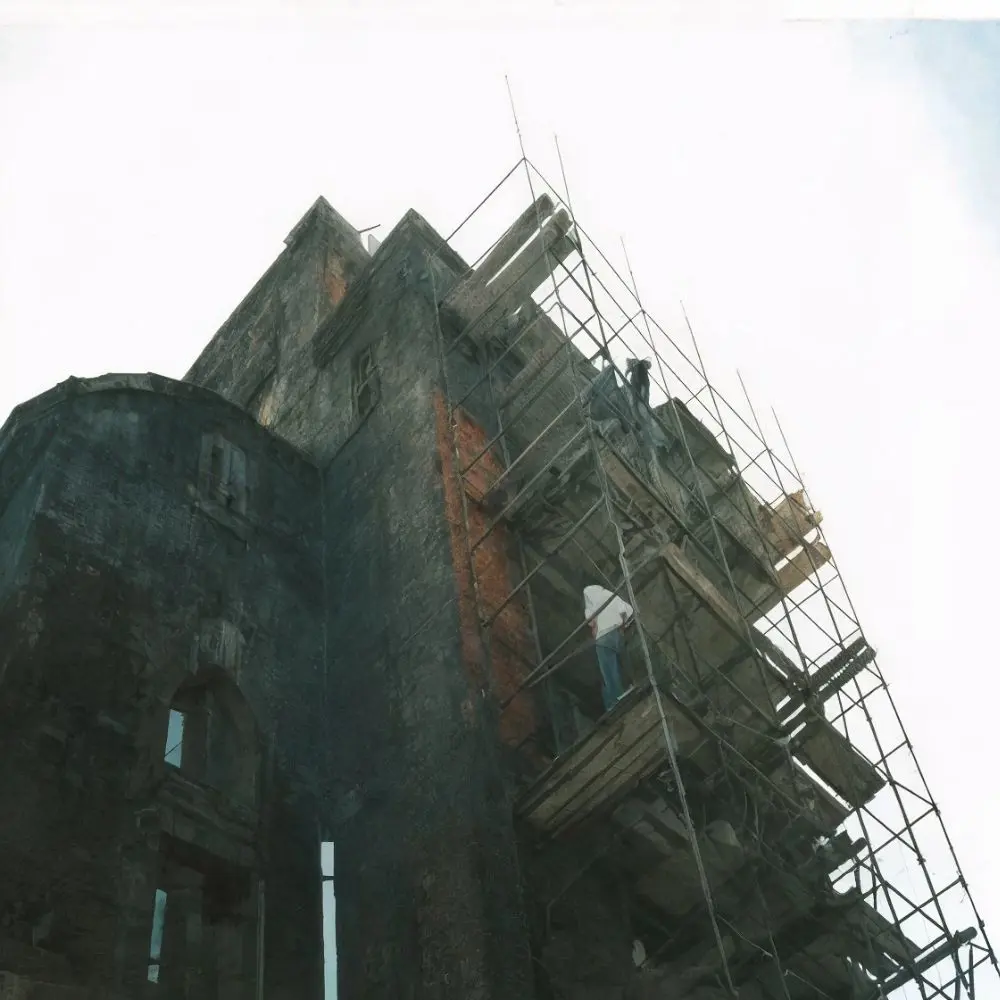
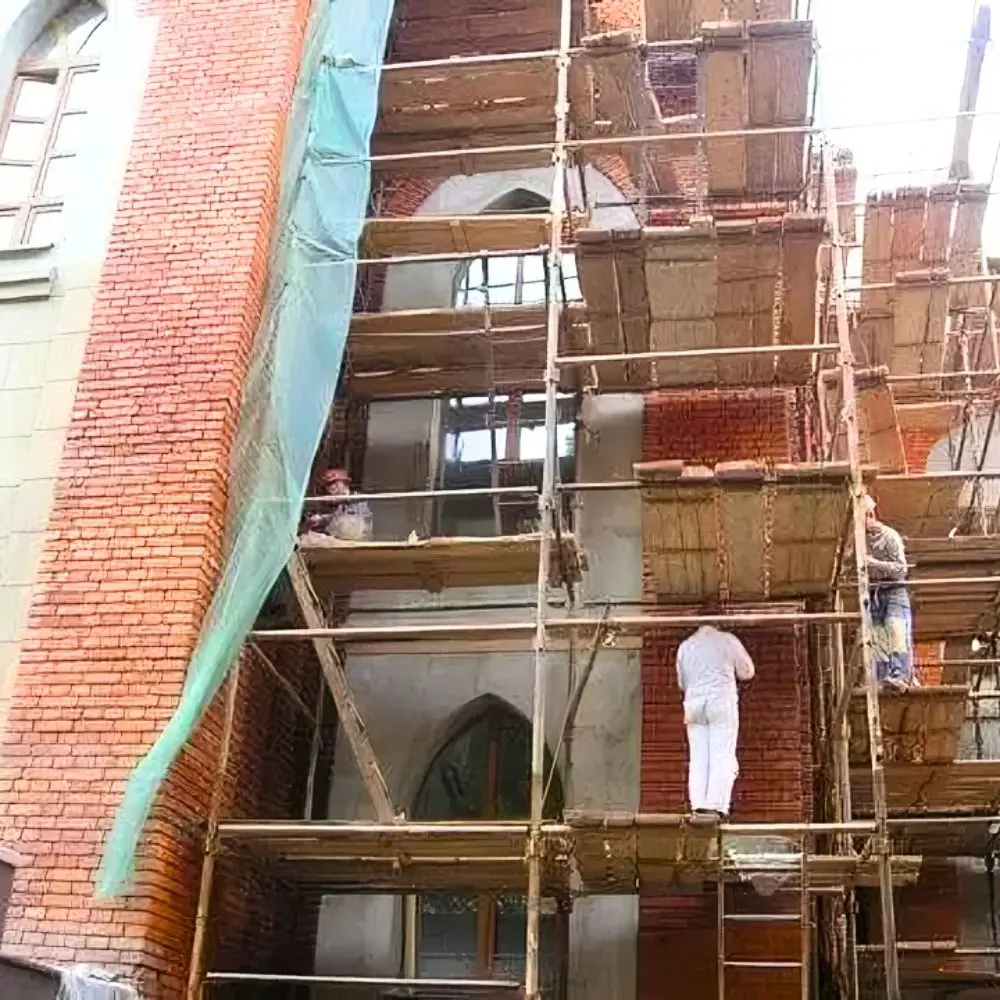
The facade is the face of the building

Just like on a person’s face, the entire history of the building’s life is reflected on it: traces of time, weather conditions, external interventions.

Our task is to preserve everything valuable that was conceived by the architect and realized by the builders:

eliminate the adverse effects of time
stop the destructive action of water and frost
restore losses
perform conservation

And prepare the facade for the next 100 years of its life, carefully preserving it for future generations.

Solution

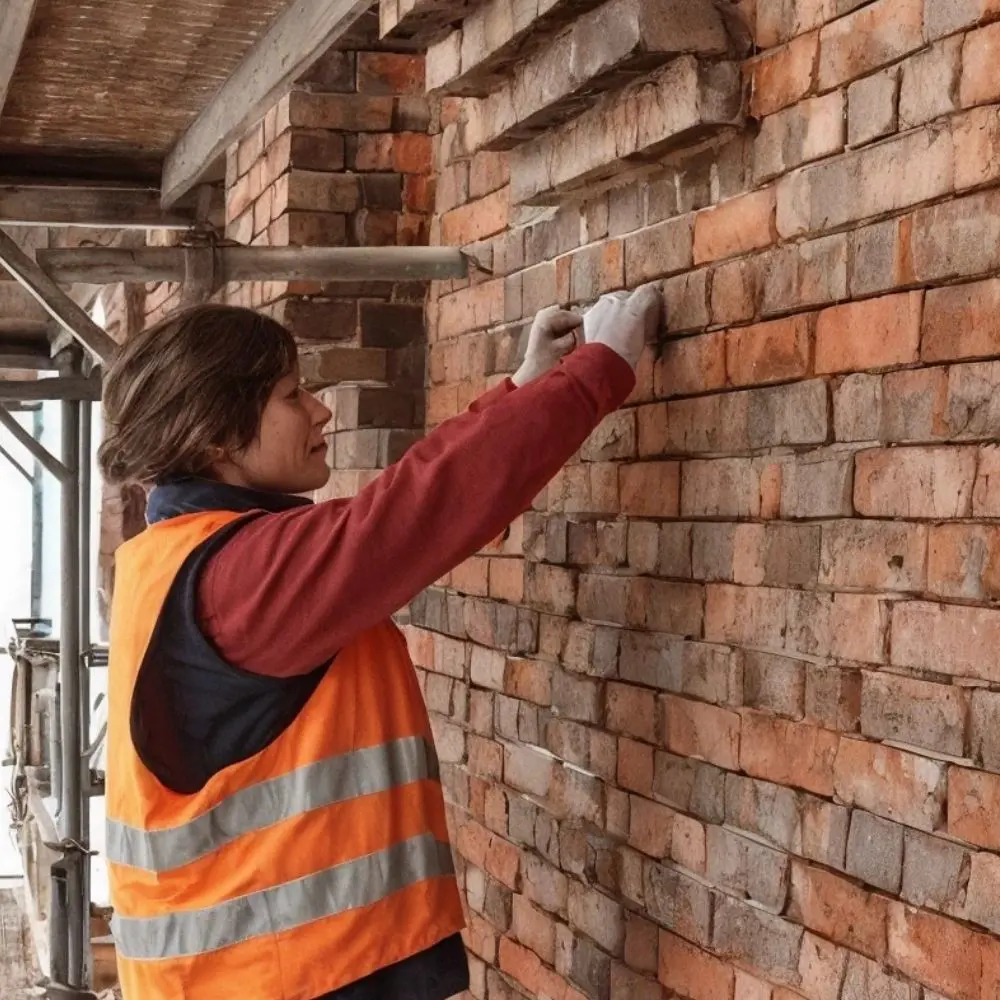
Inspection. Each facade is unique. The first stage involves thorough diagnostics and selection of the most gentle restoration strategy.
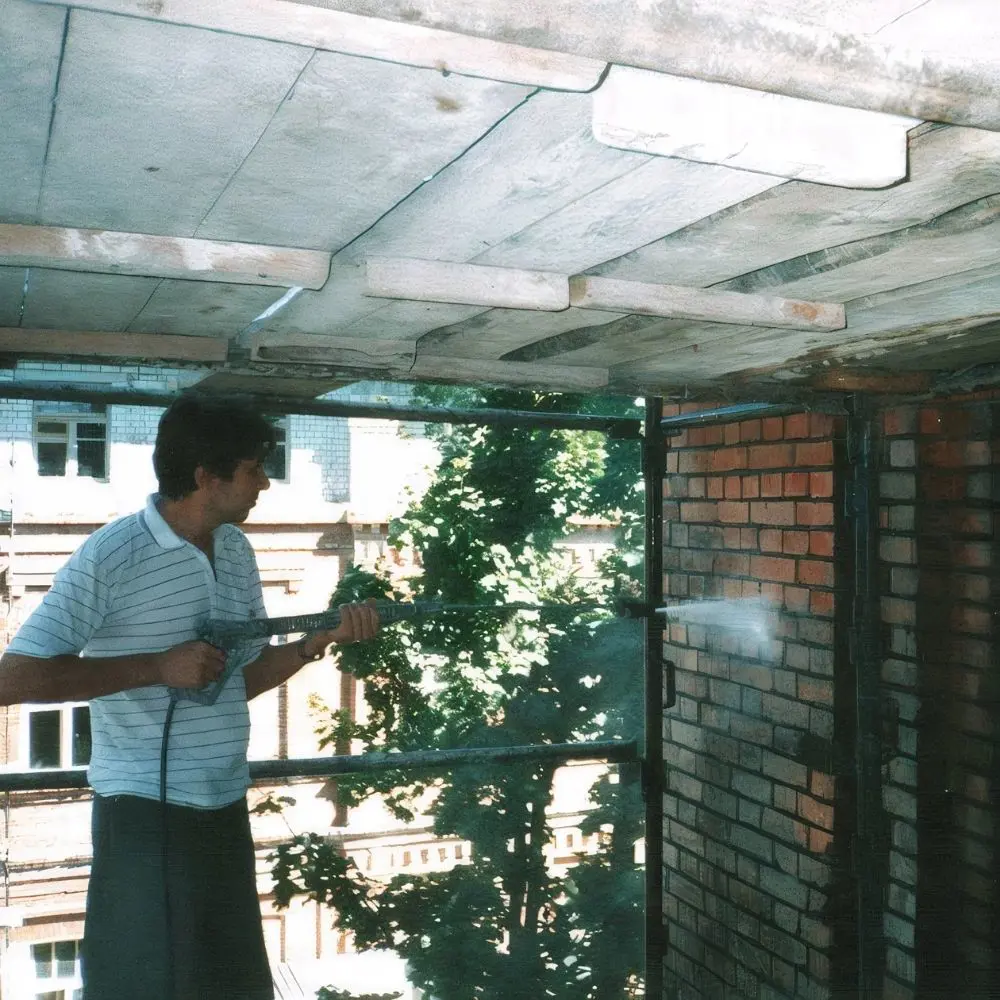
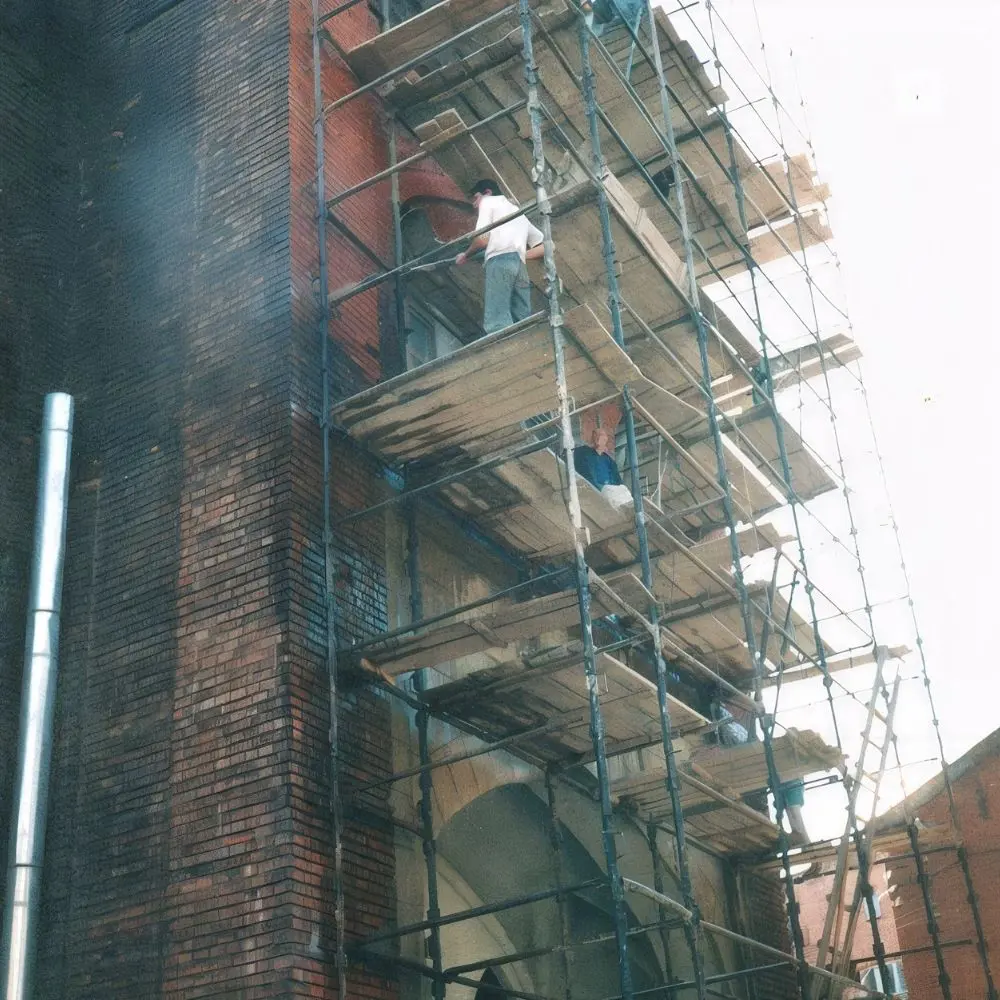
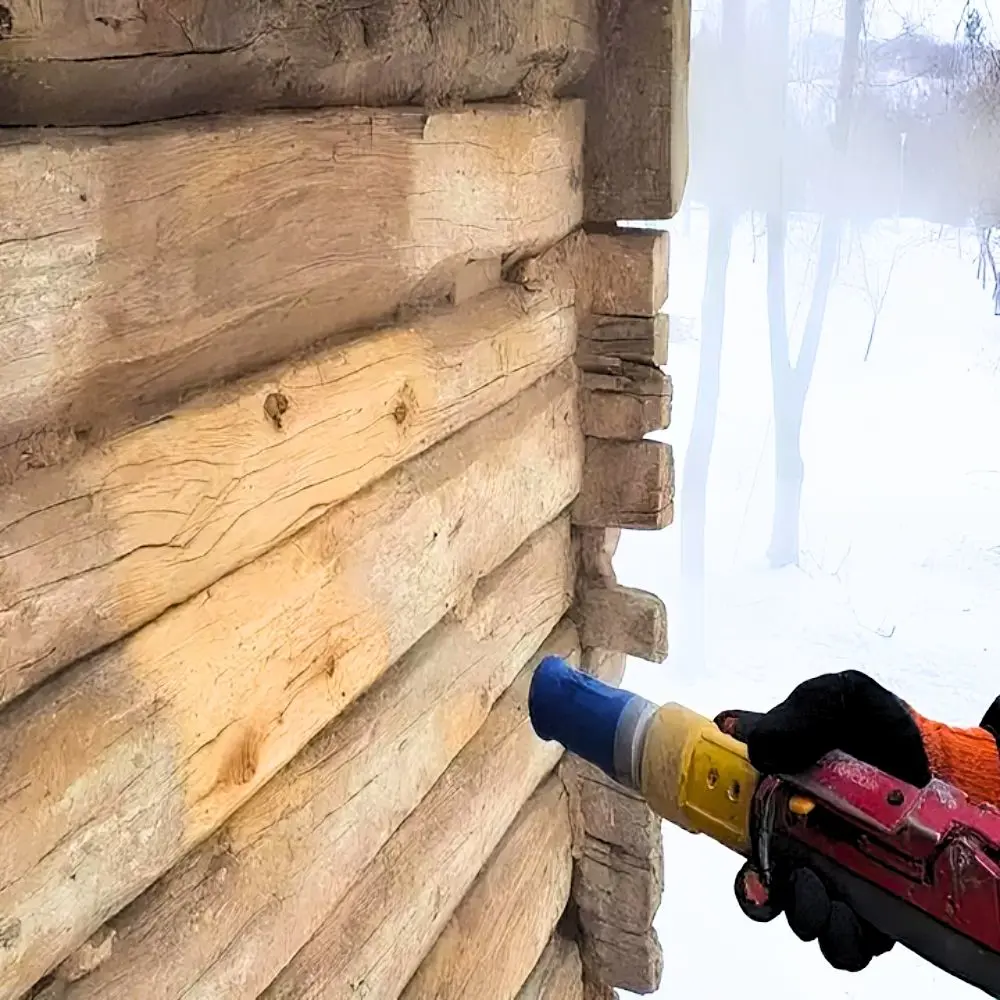
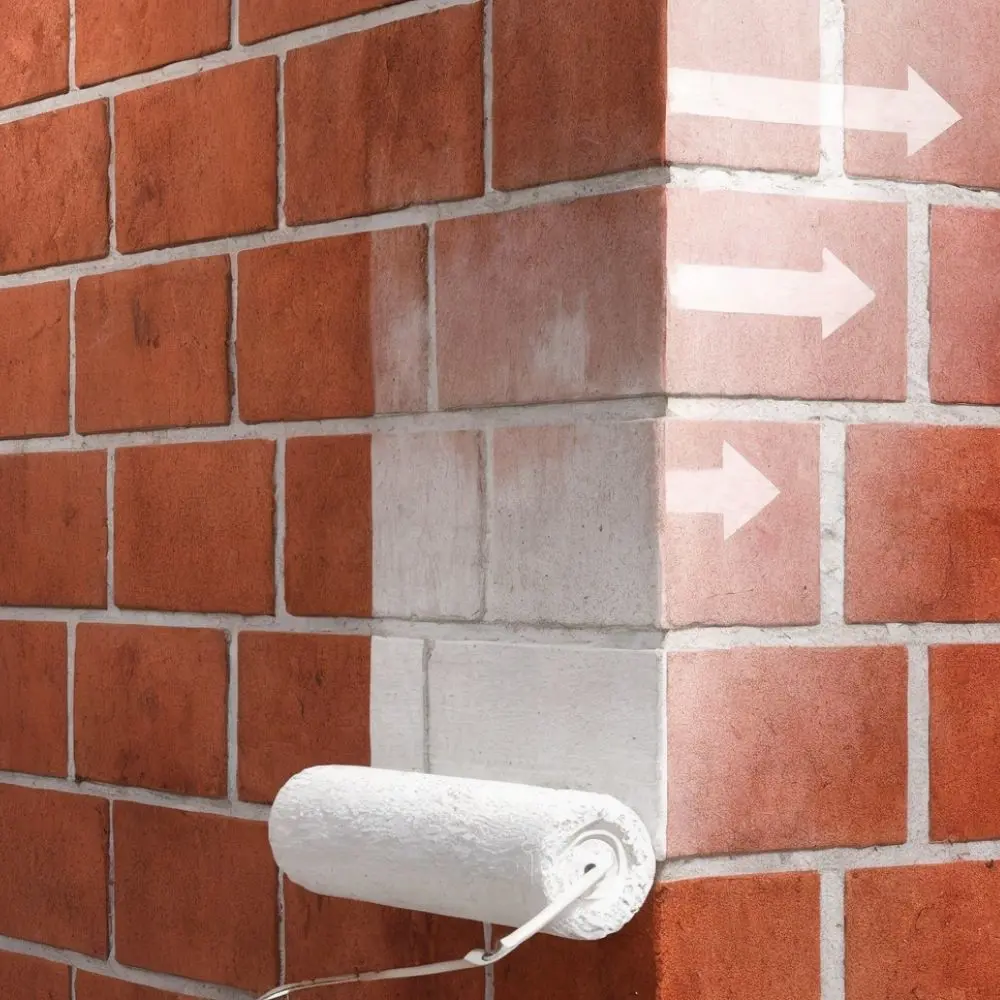
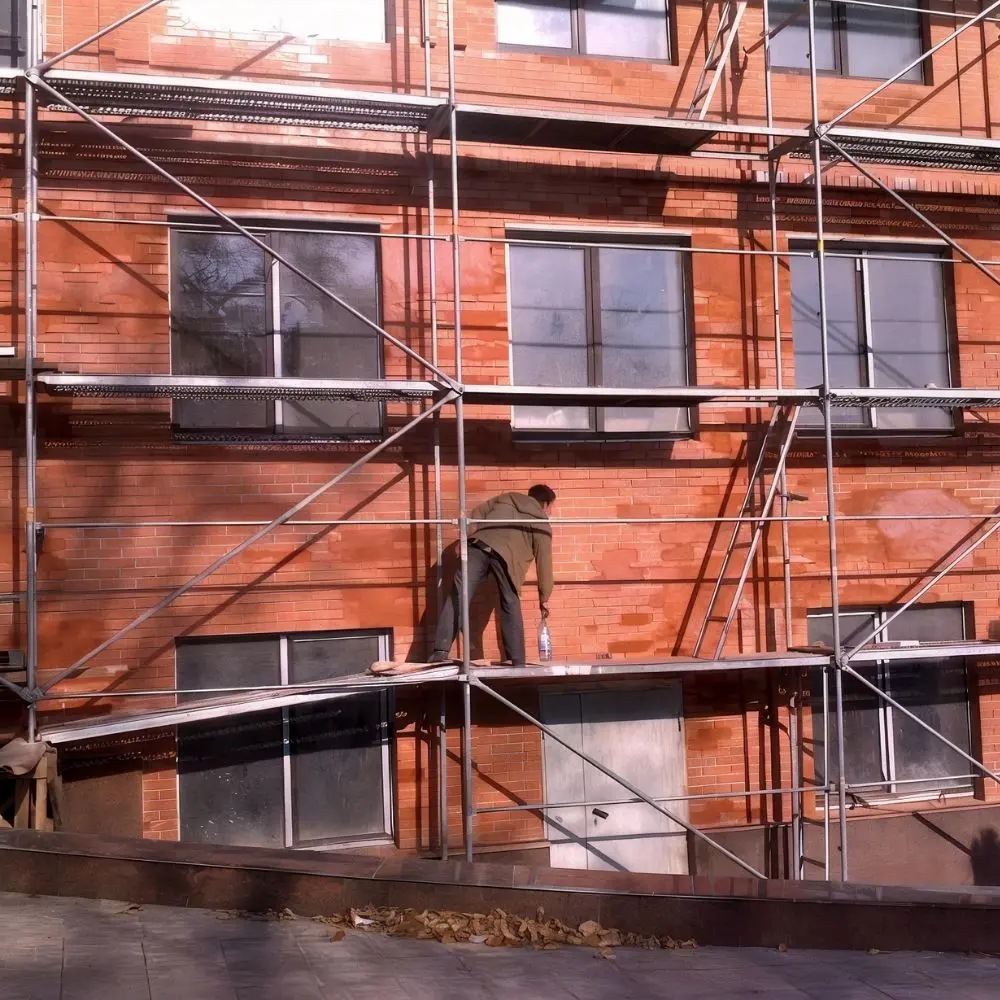
Cleaning. The optimal method is chosen to remove contaminants that have accumulated over decades.
Removal of salts and bio-protection. Salt deposits are removed, and protection against moss, fungus, and other biological damage is applied.
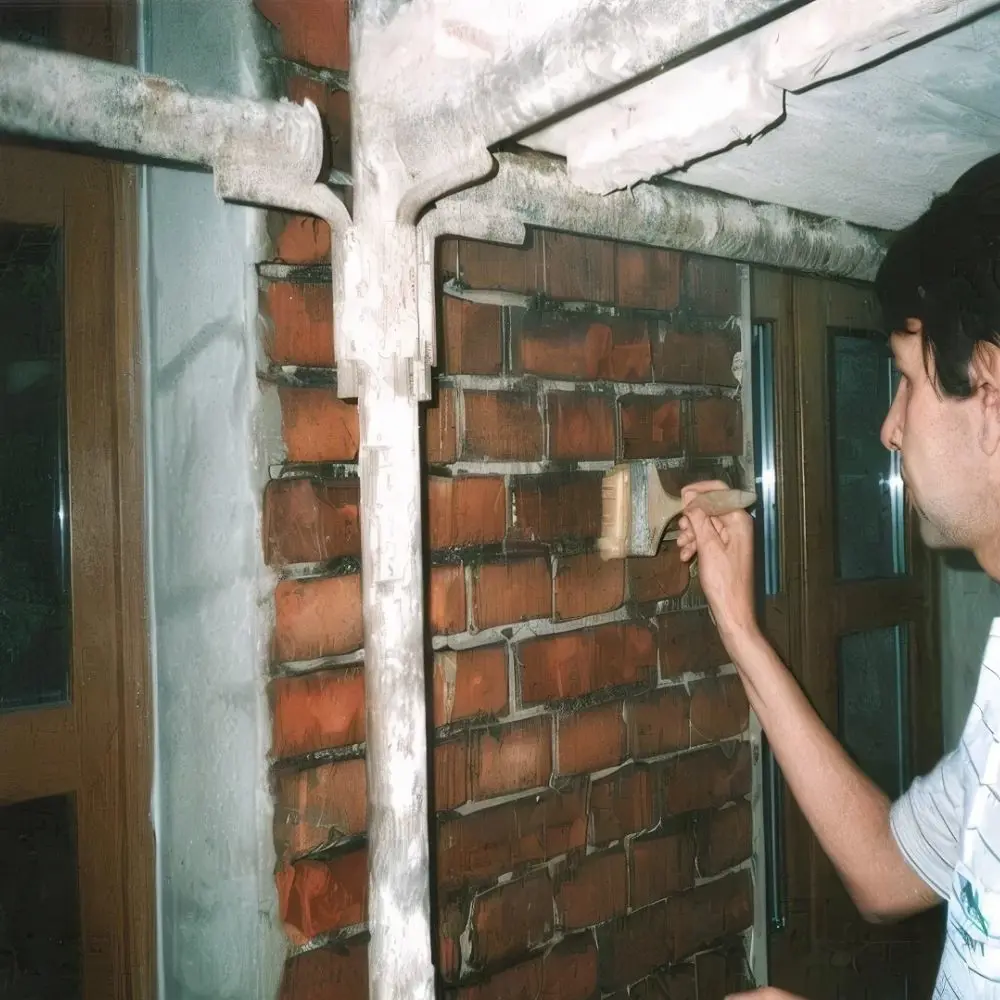
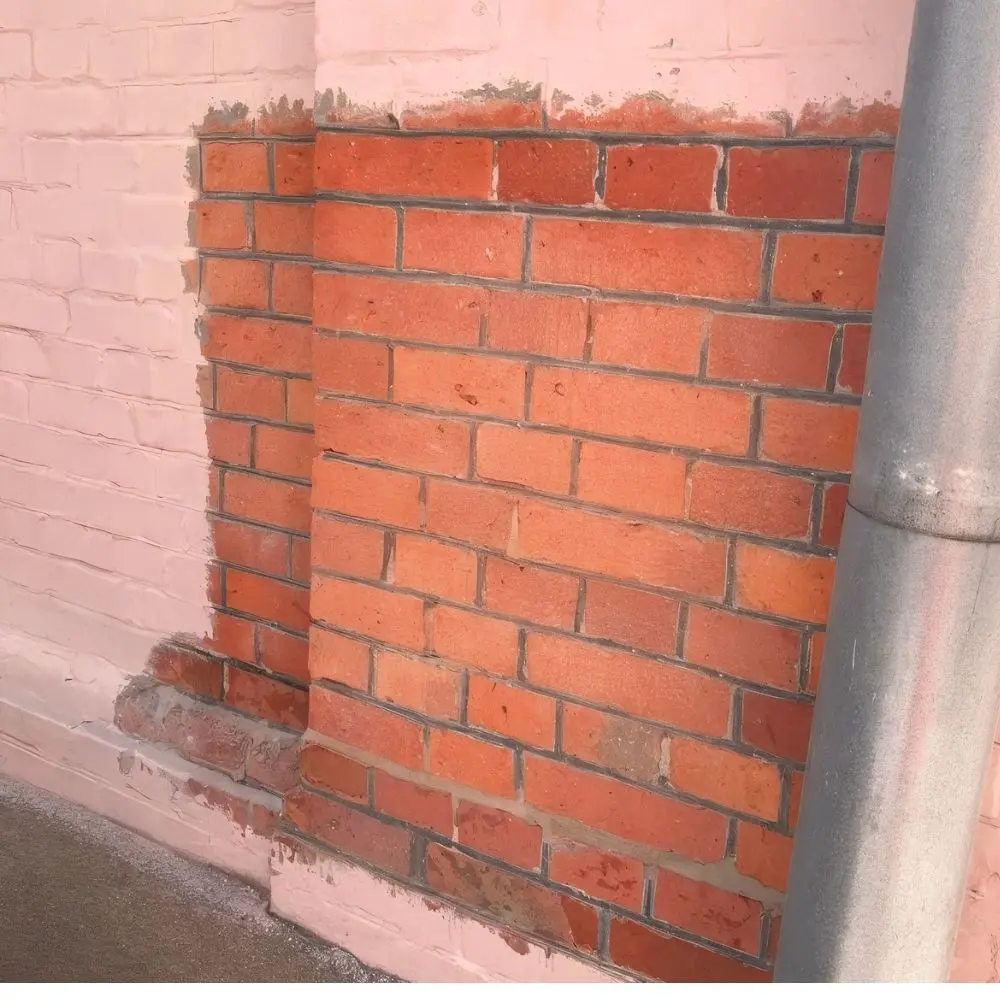
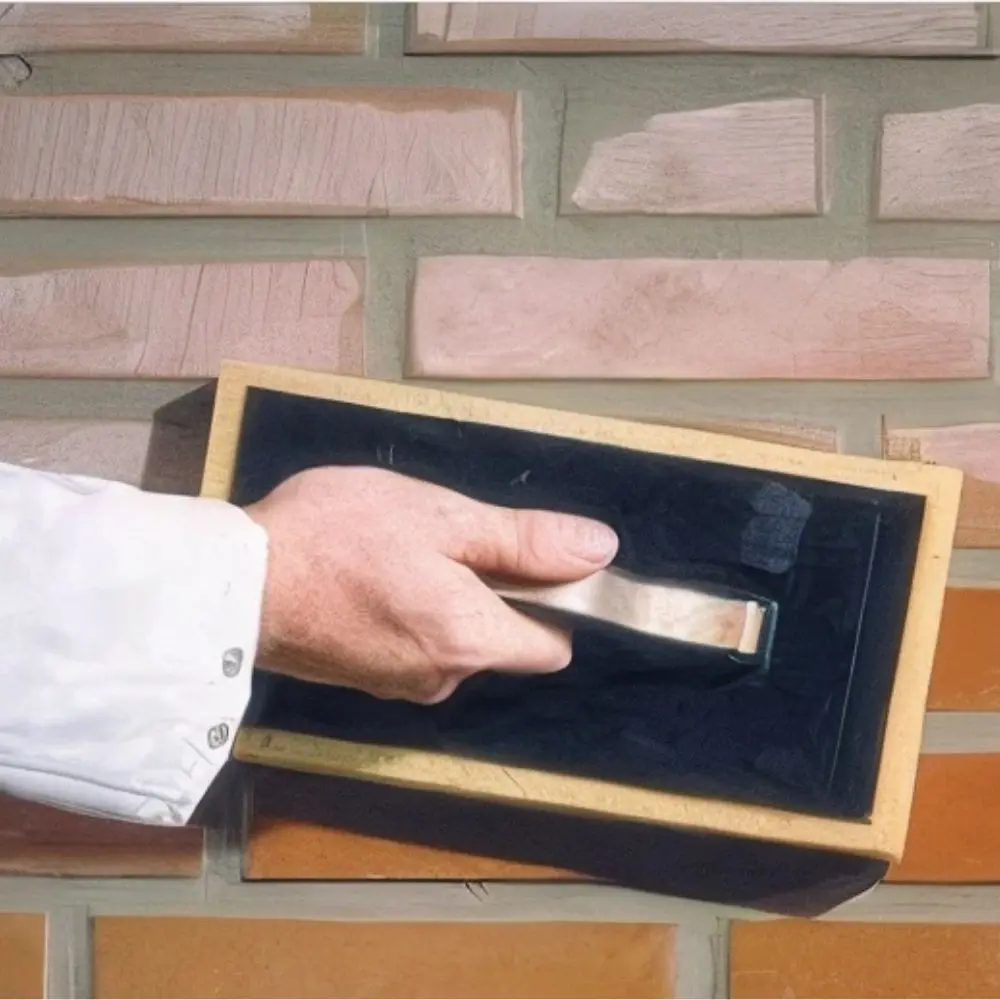
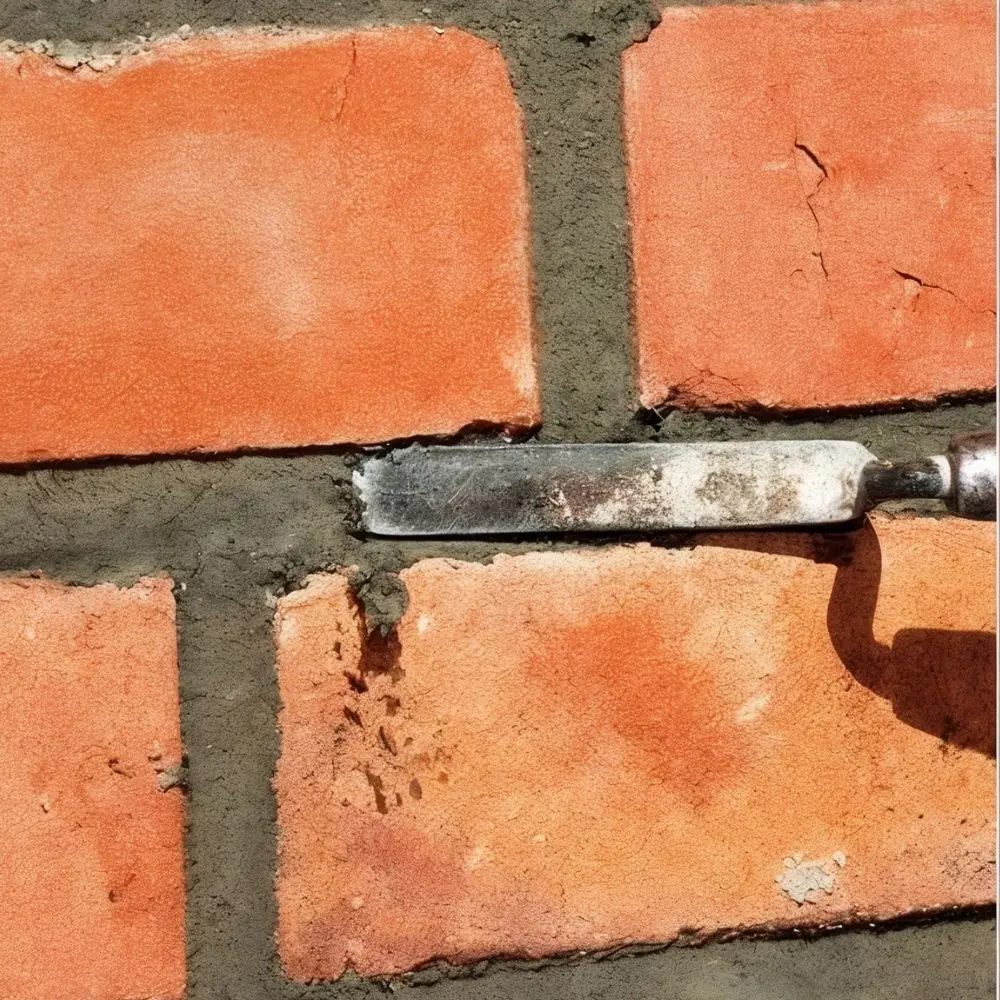
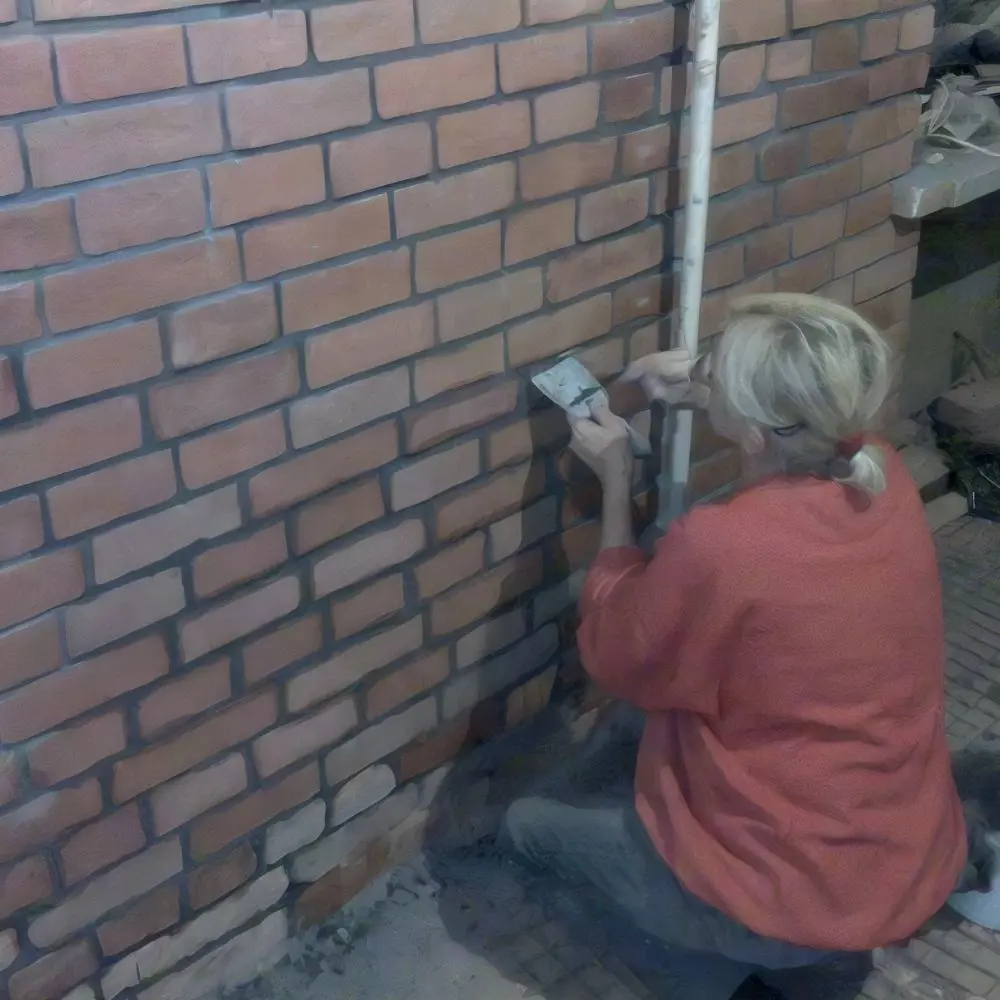
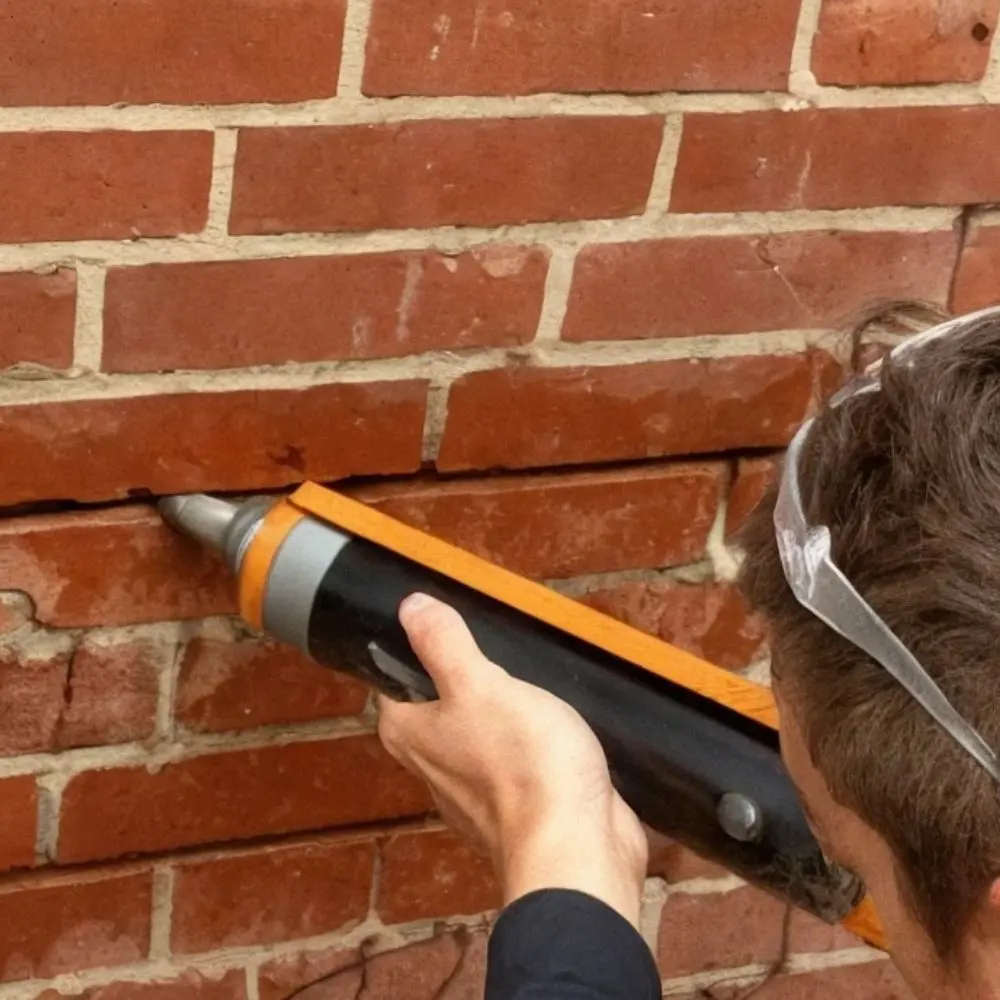
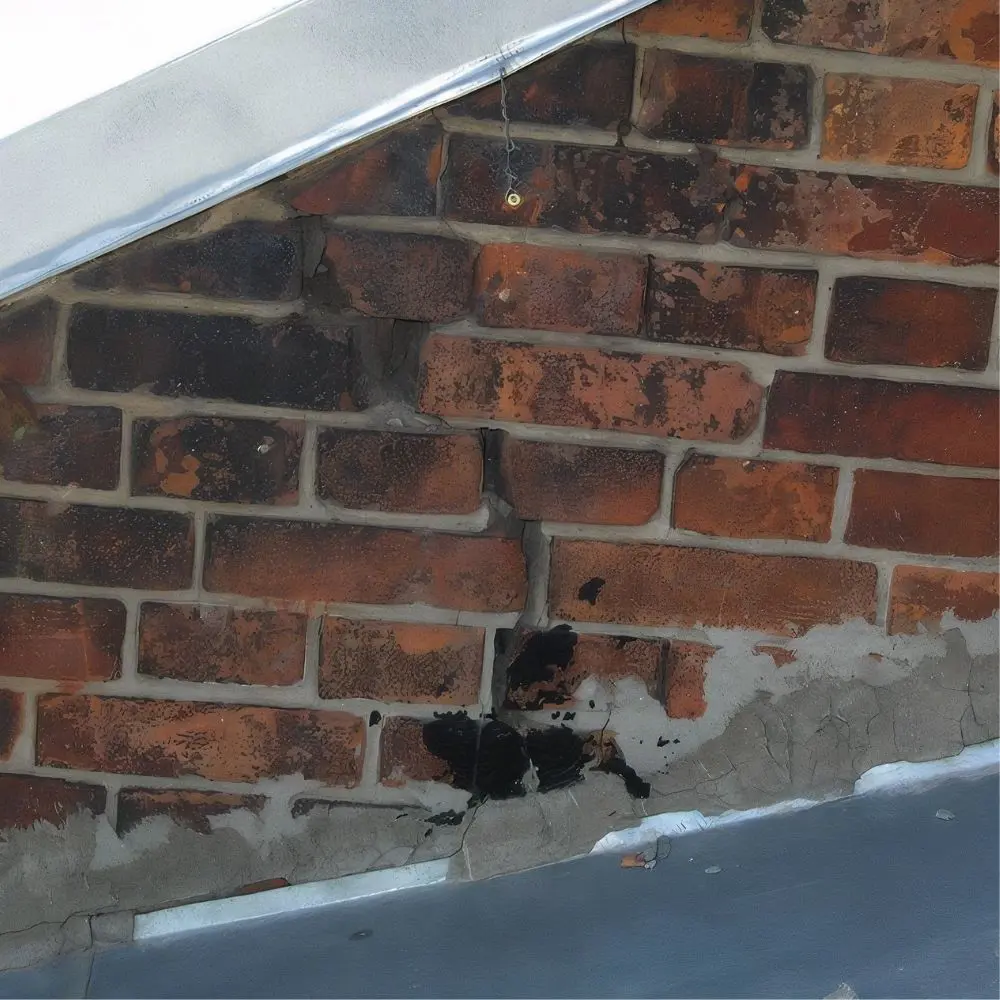
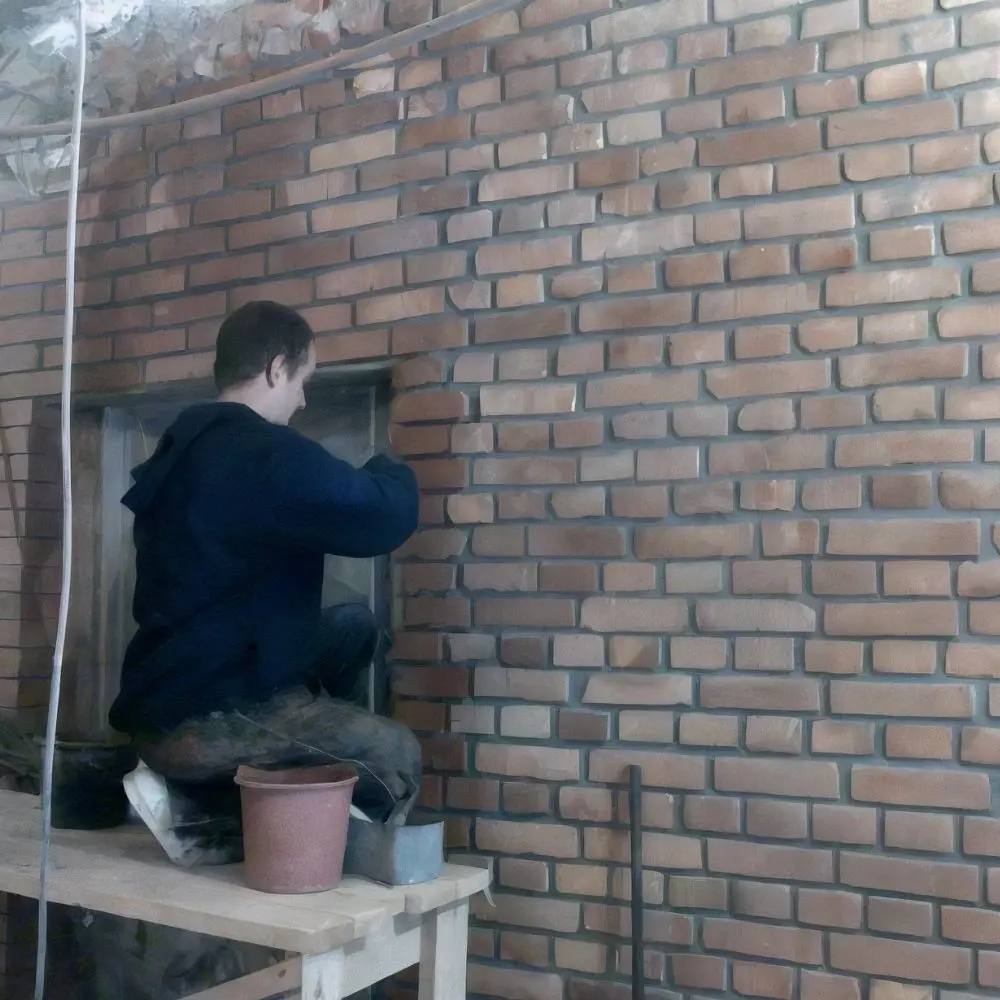
Joint restoration. Joints are an important part of the facade. They accumulate moisture and significantly affect the building's aesthetic appearance. Joints are cleaned and filled with a special solution selected according to binder characteristics, grain size, and color.
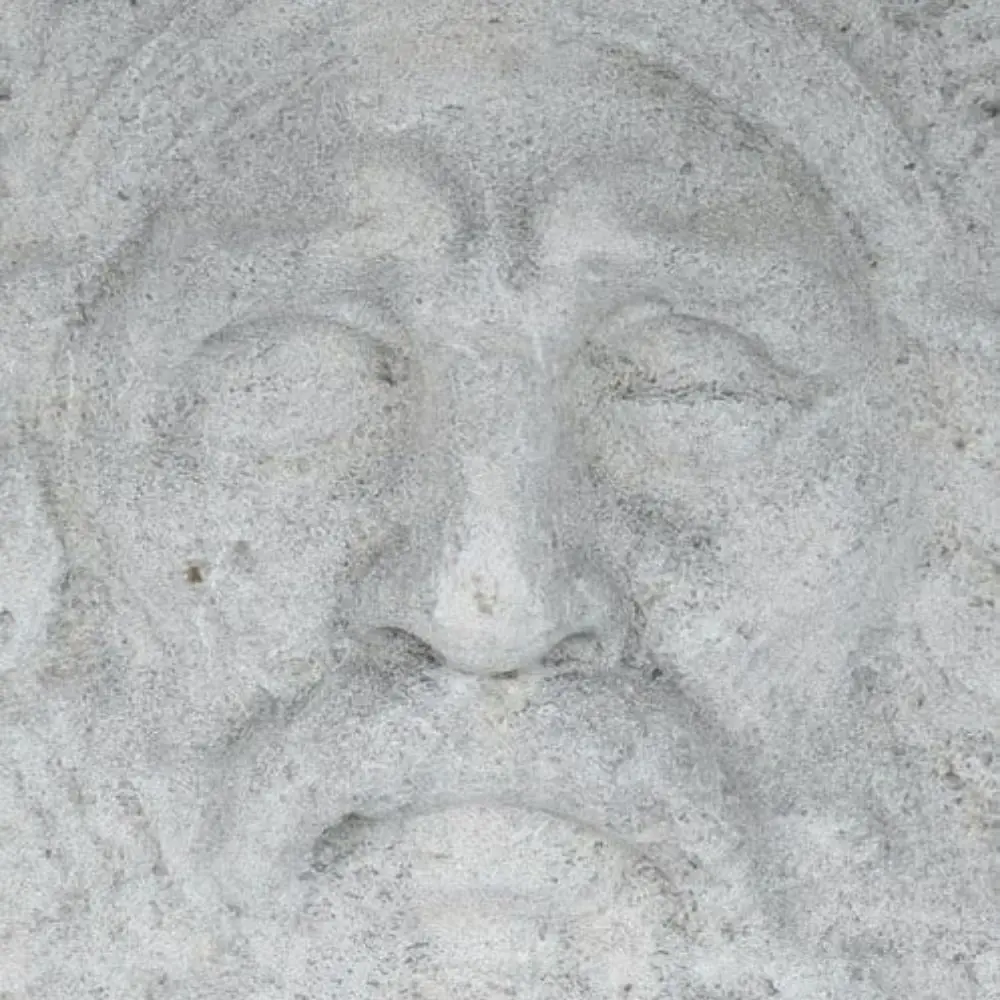
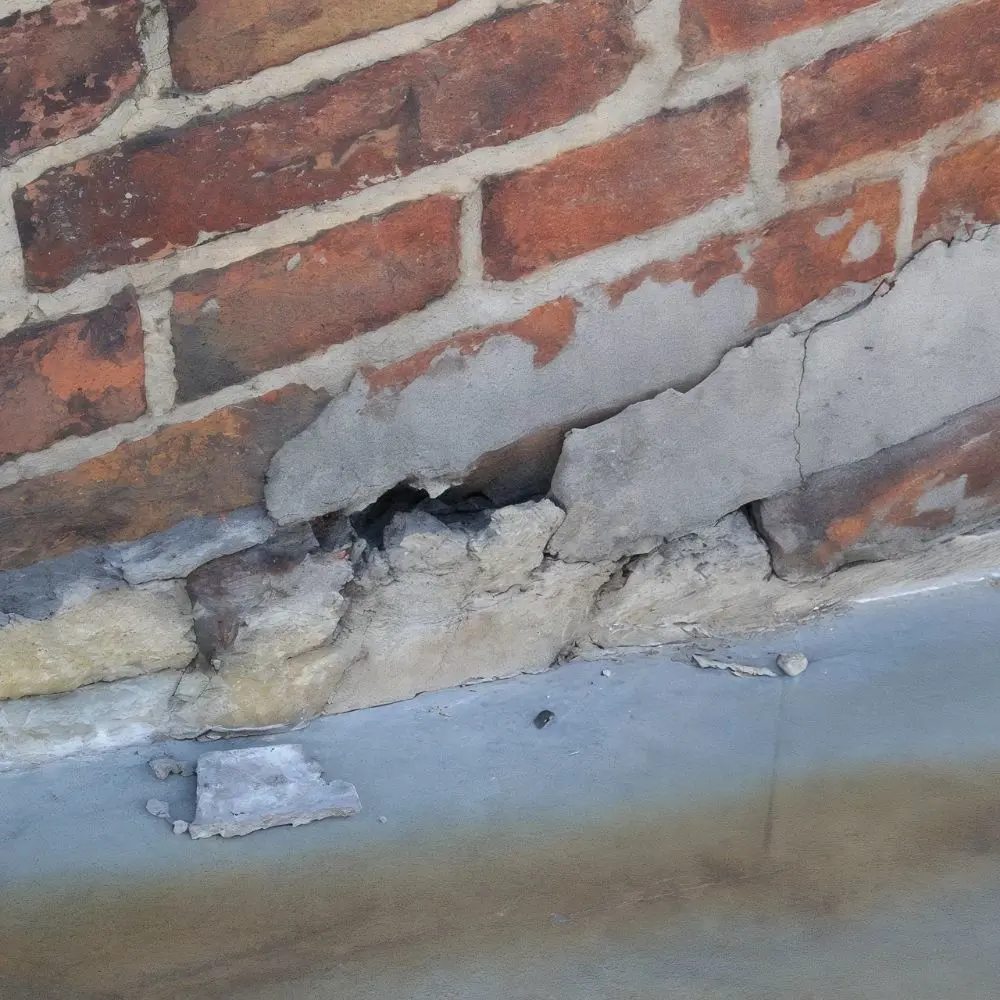
Strengthening. Weak and crumbling elements are strengthened with special stone consolidants.
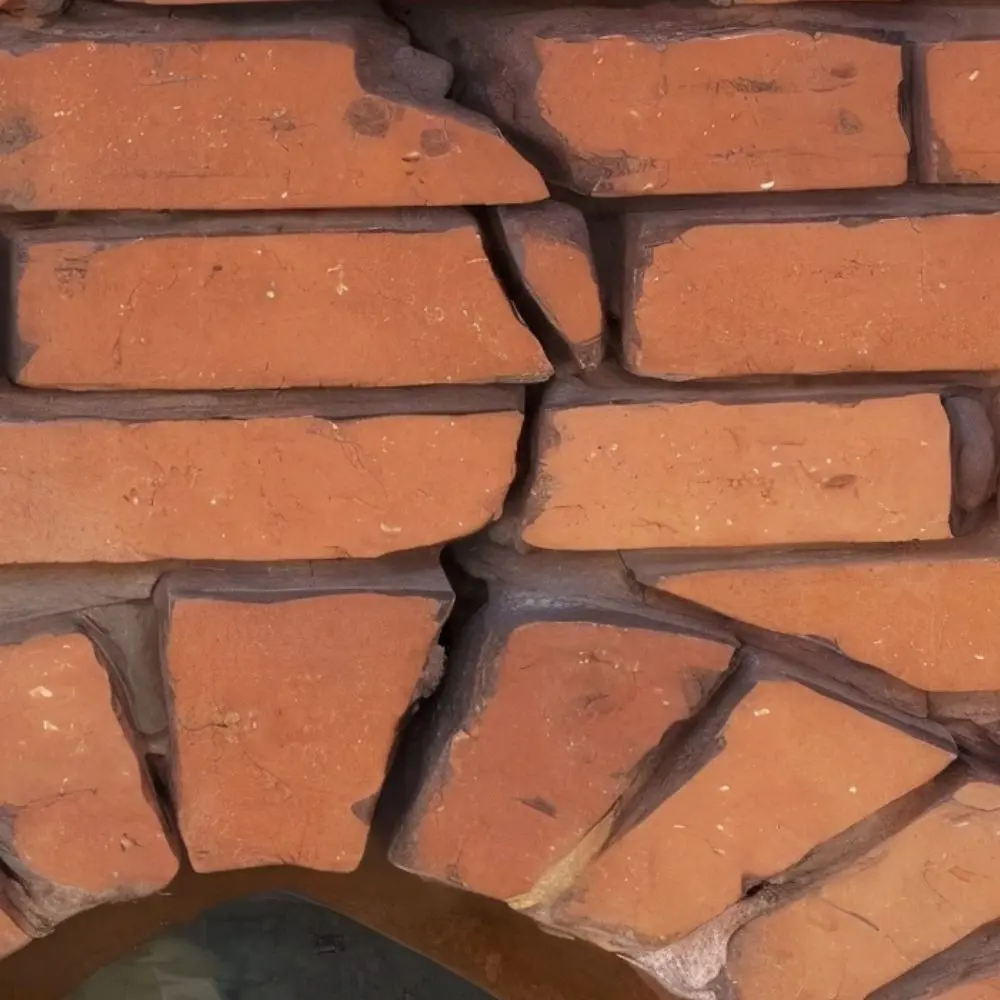
Brick restoration. Damaged bricks are either replaced or restored with a restoration solution with precise color matching.
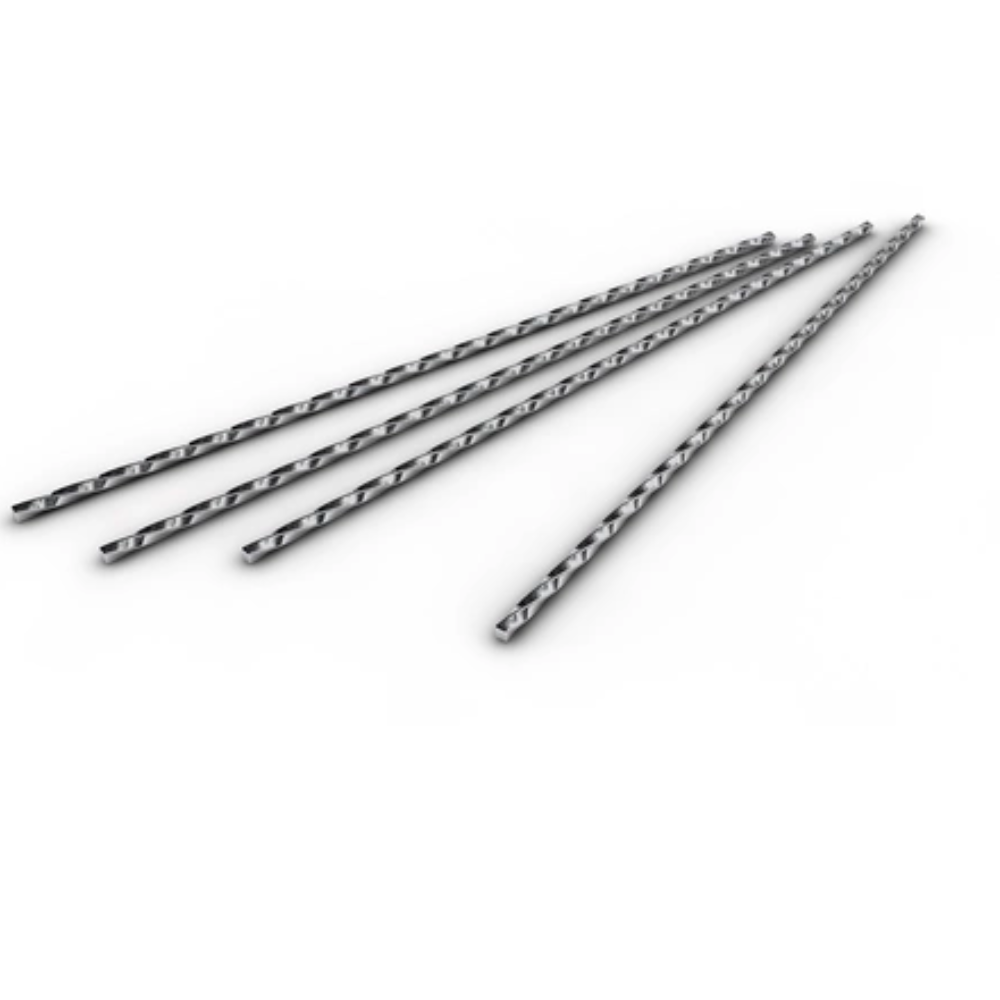
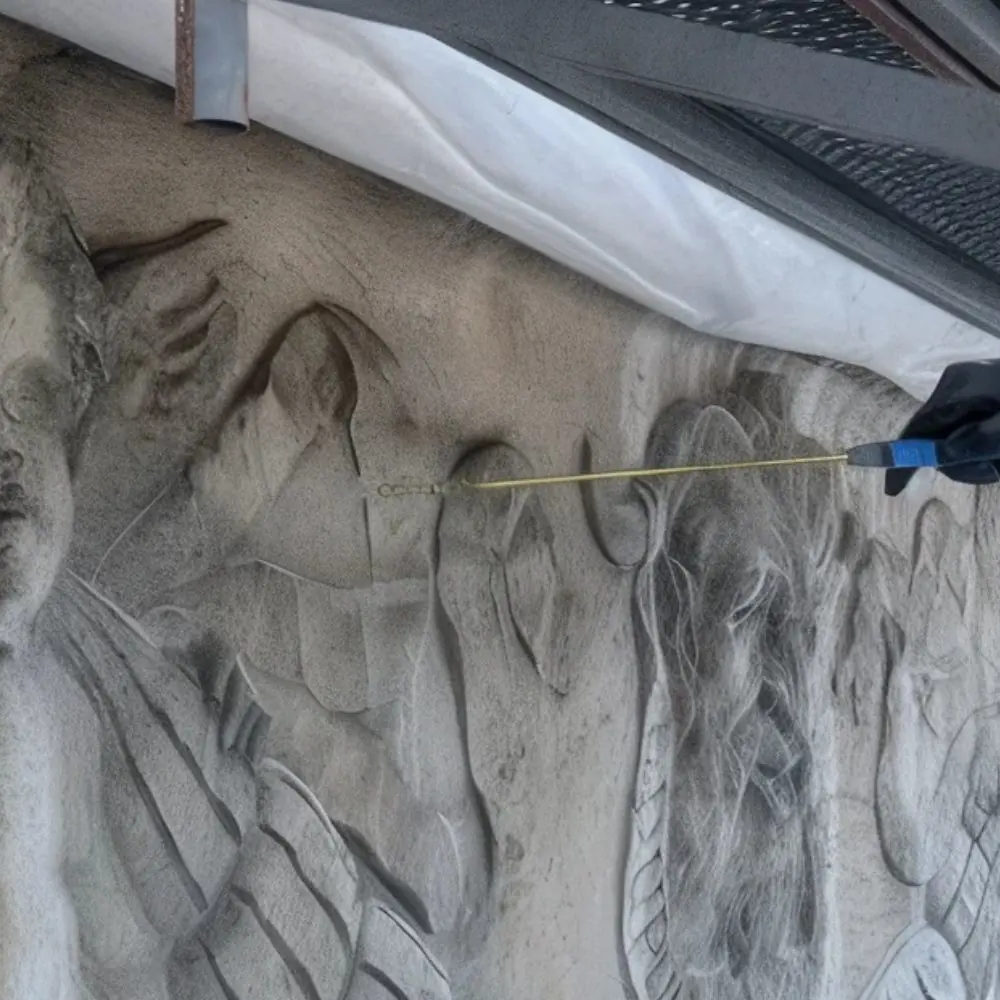
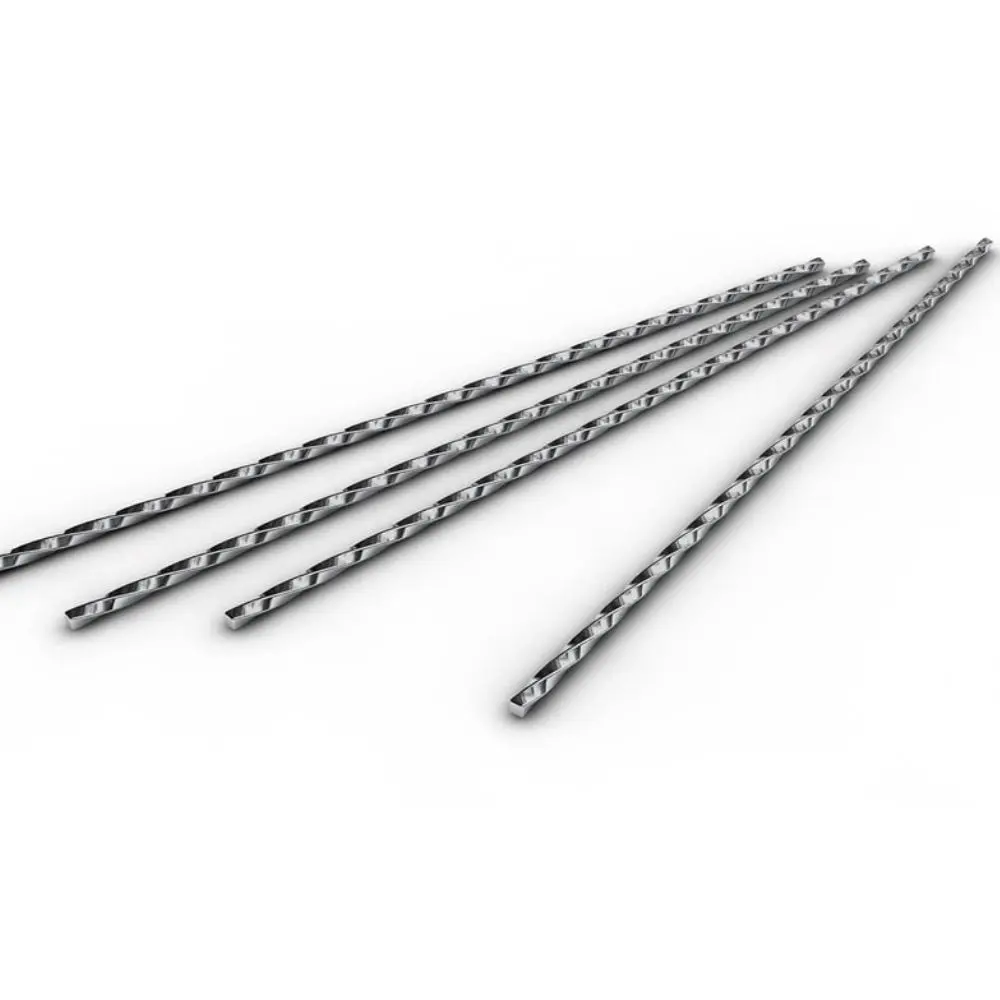
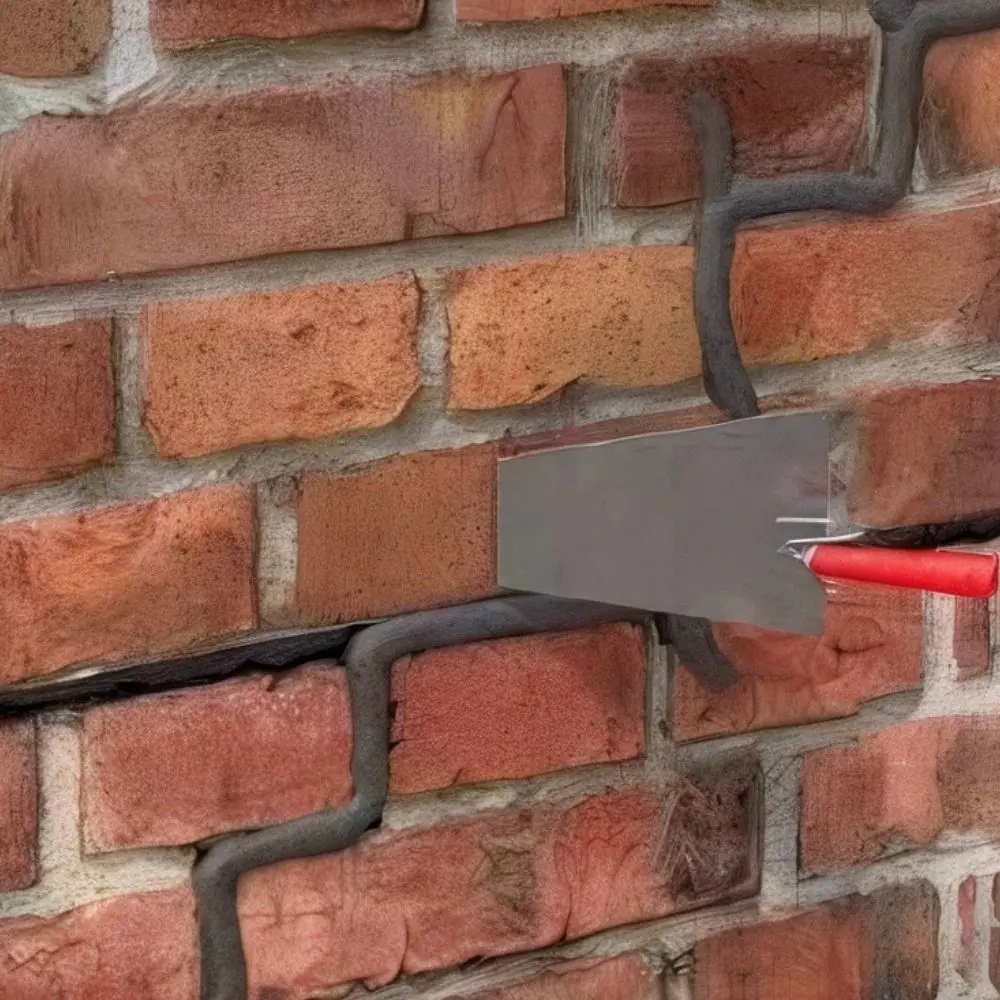
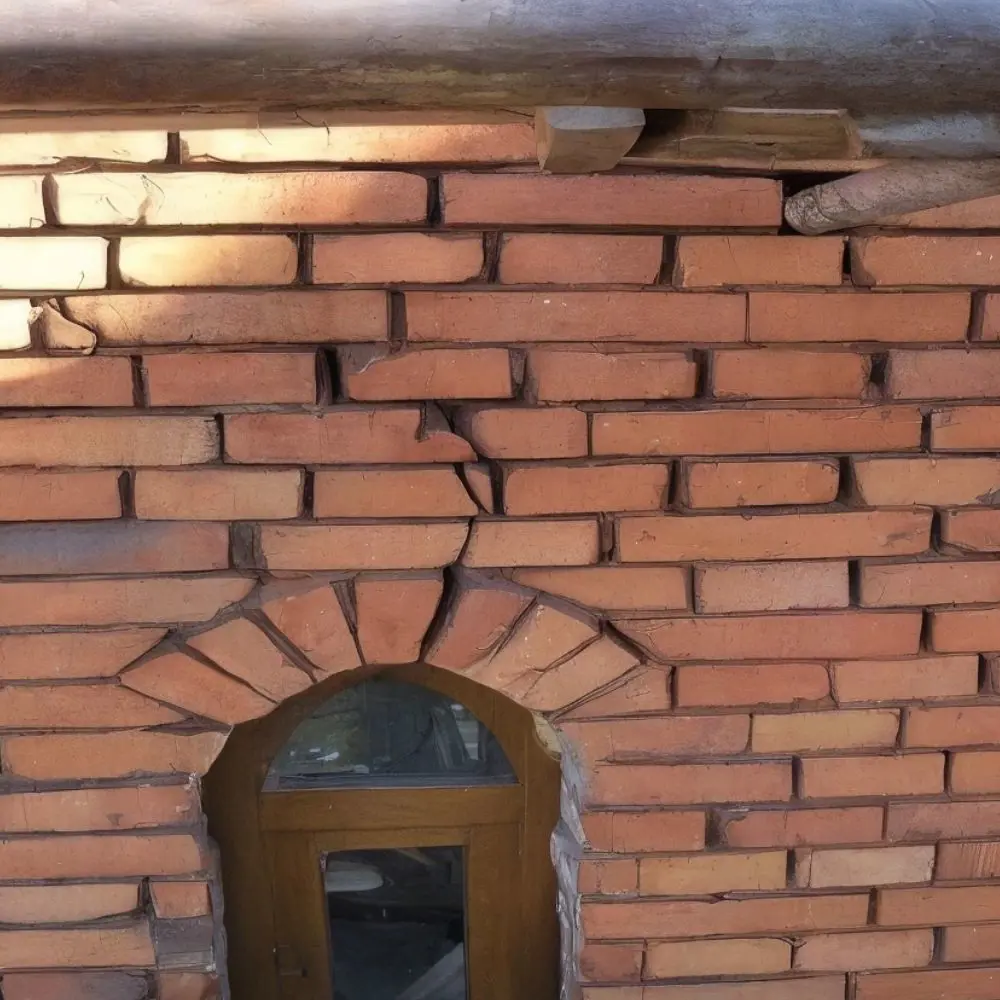
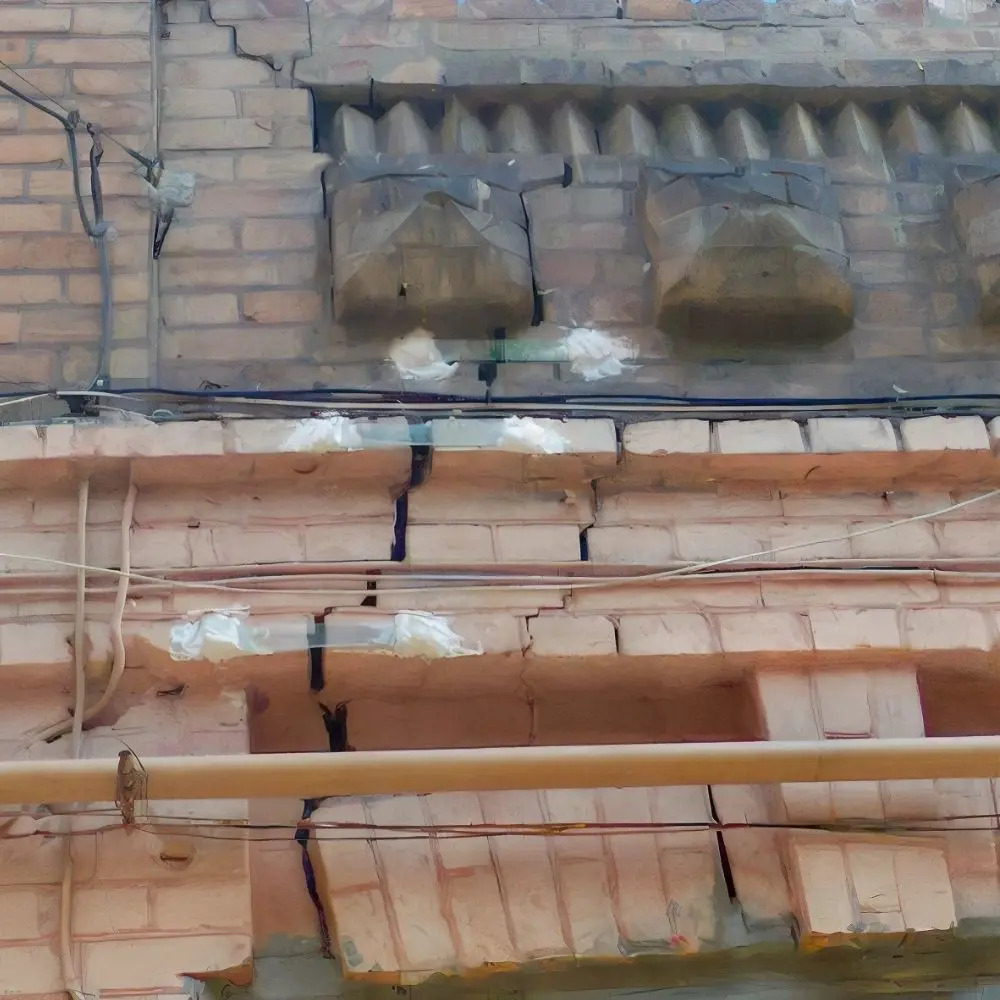
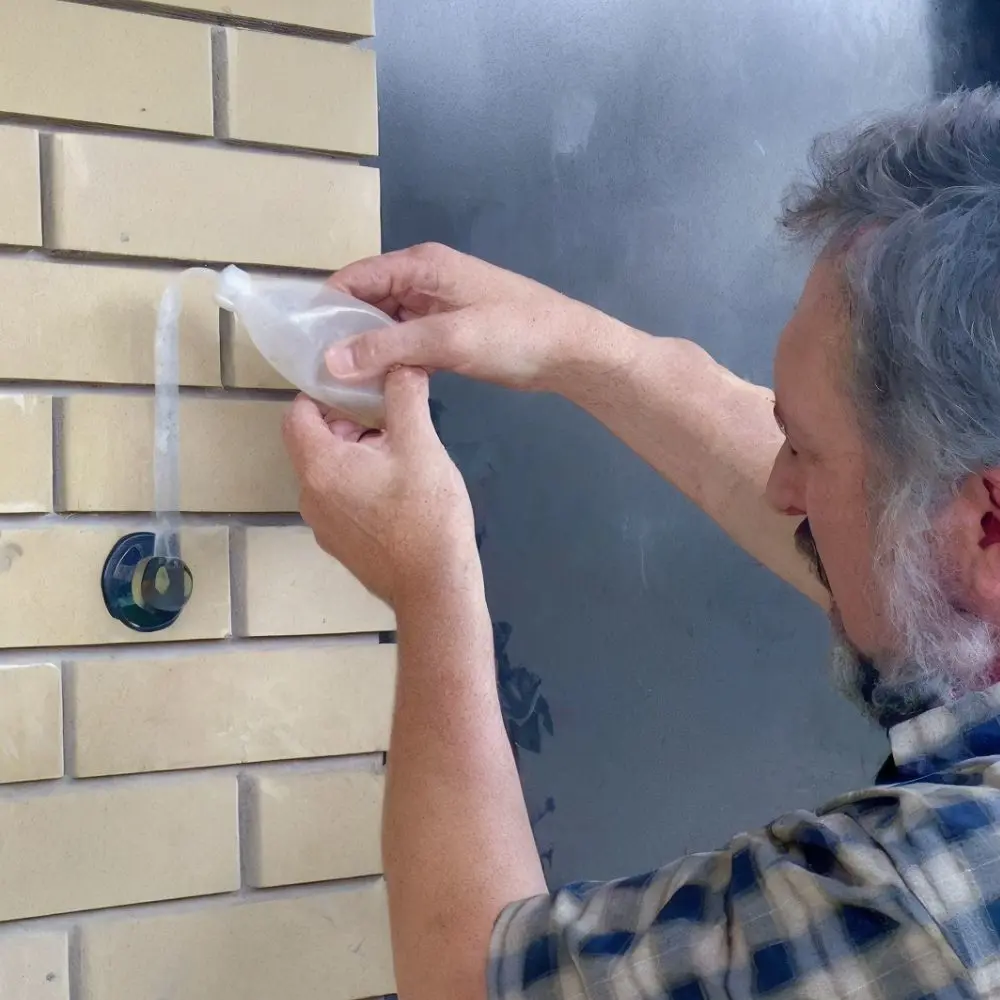
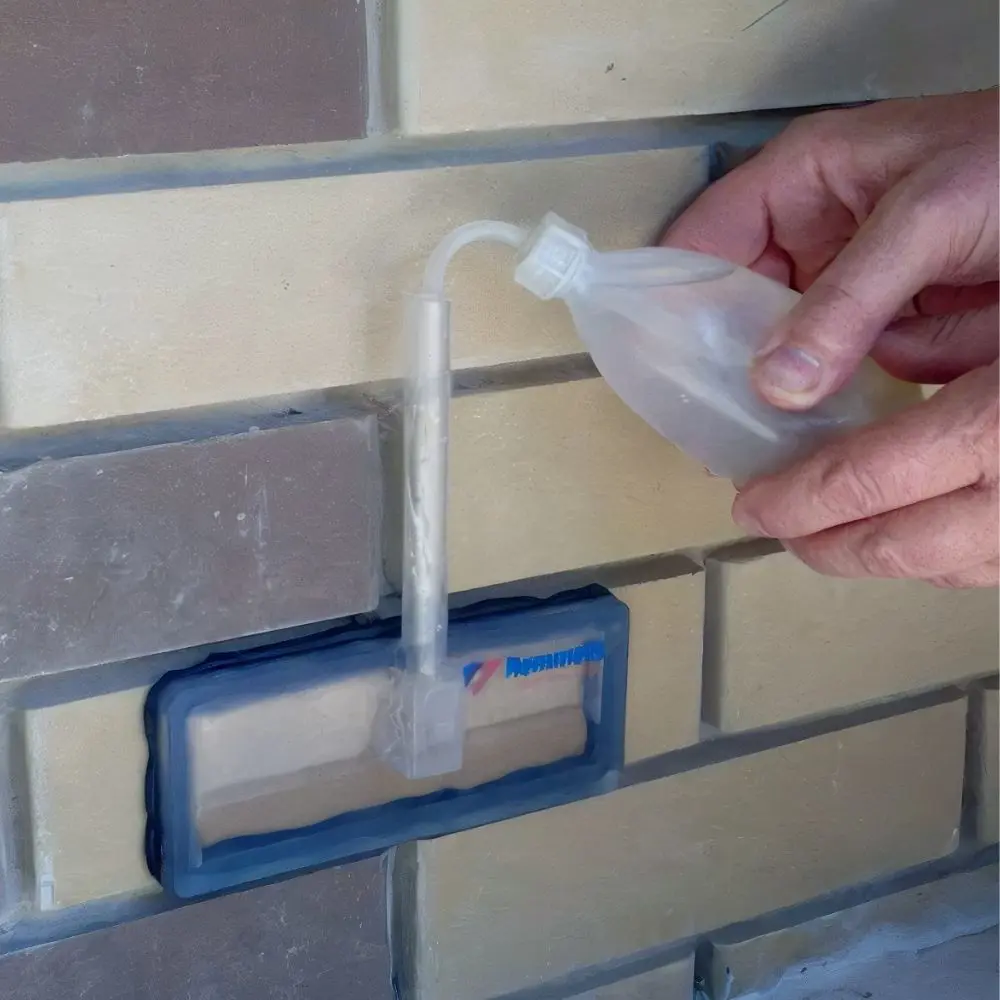
Crack bonding. If there are cracks, they are bonded using injection methods or spiral anchors laid into the joints.
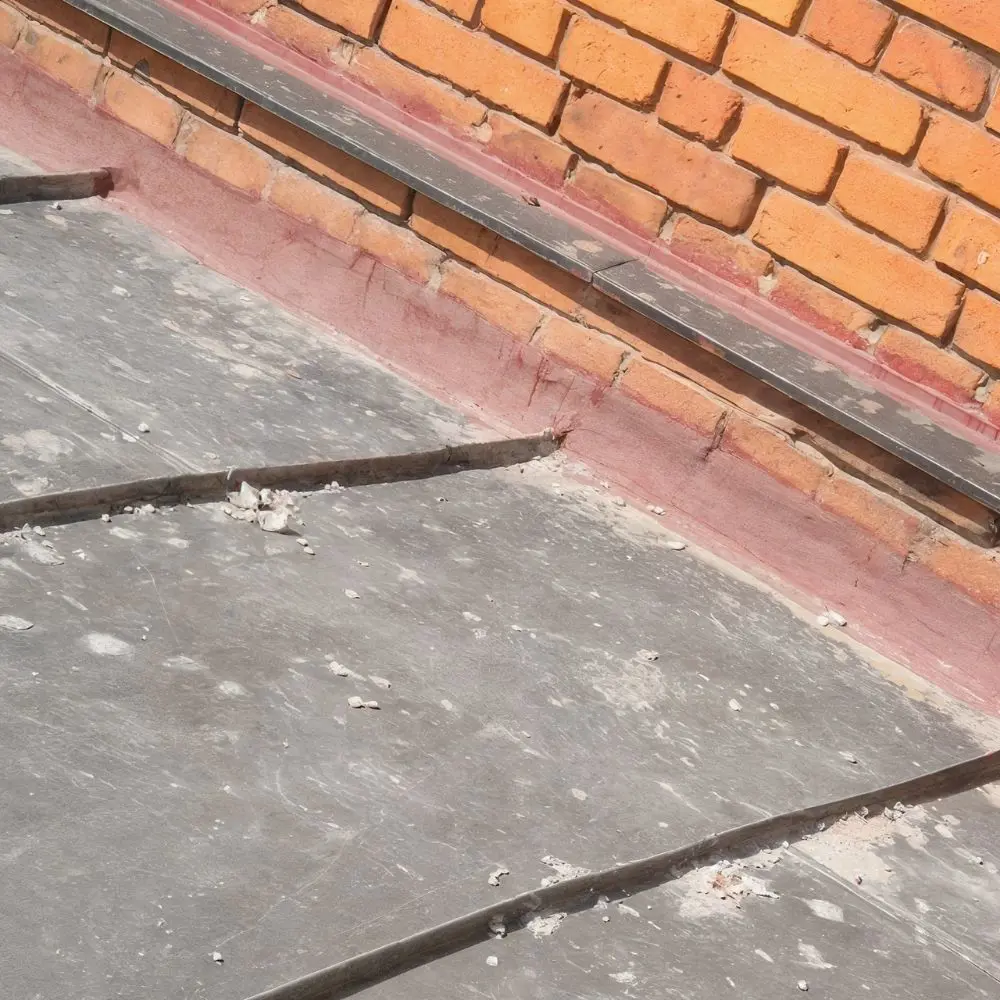
Waterproofing of junctions. Critical junctions between horizontal and vertical elements are sealed to prevent moisture ingress.
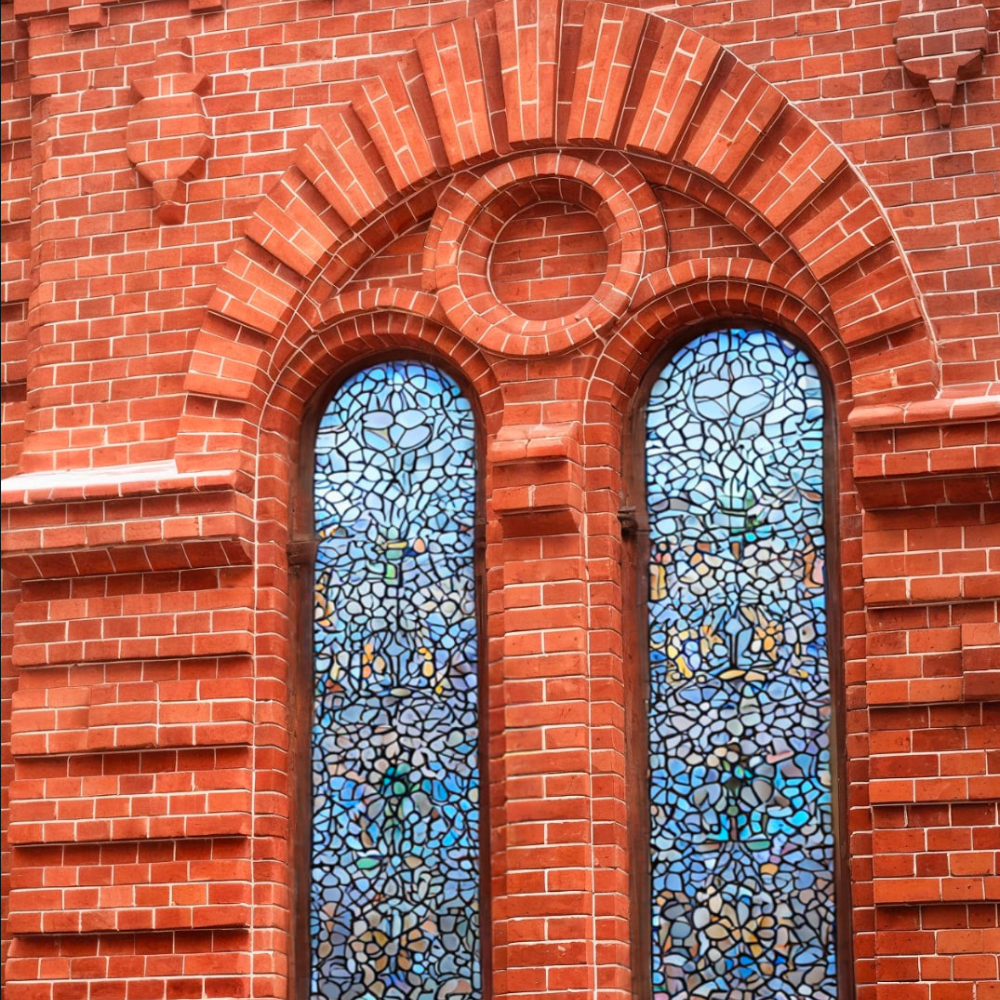
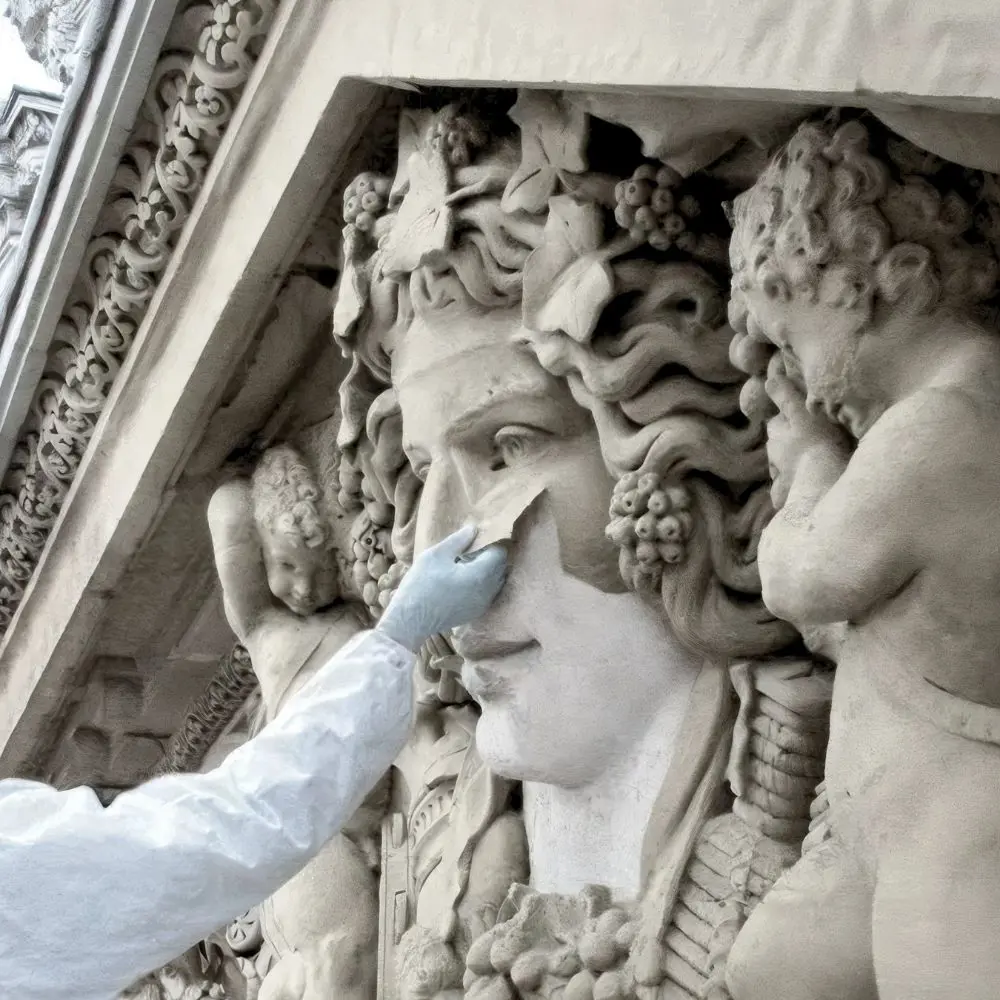
Architectural decor repair. If necessary, decorative architectural elements are repaired and restored.
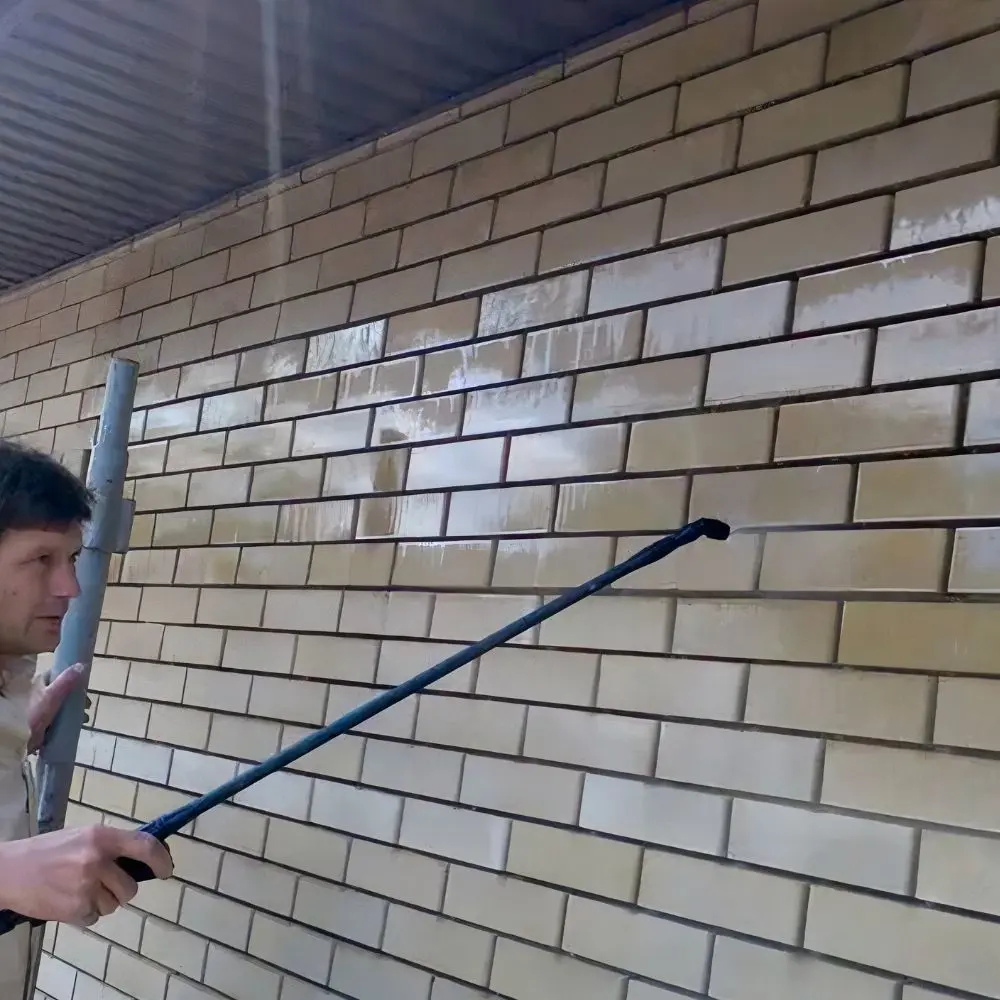
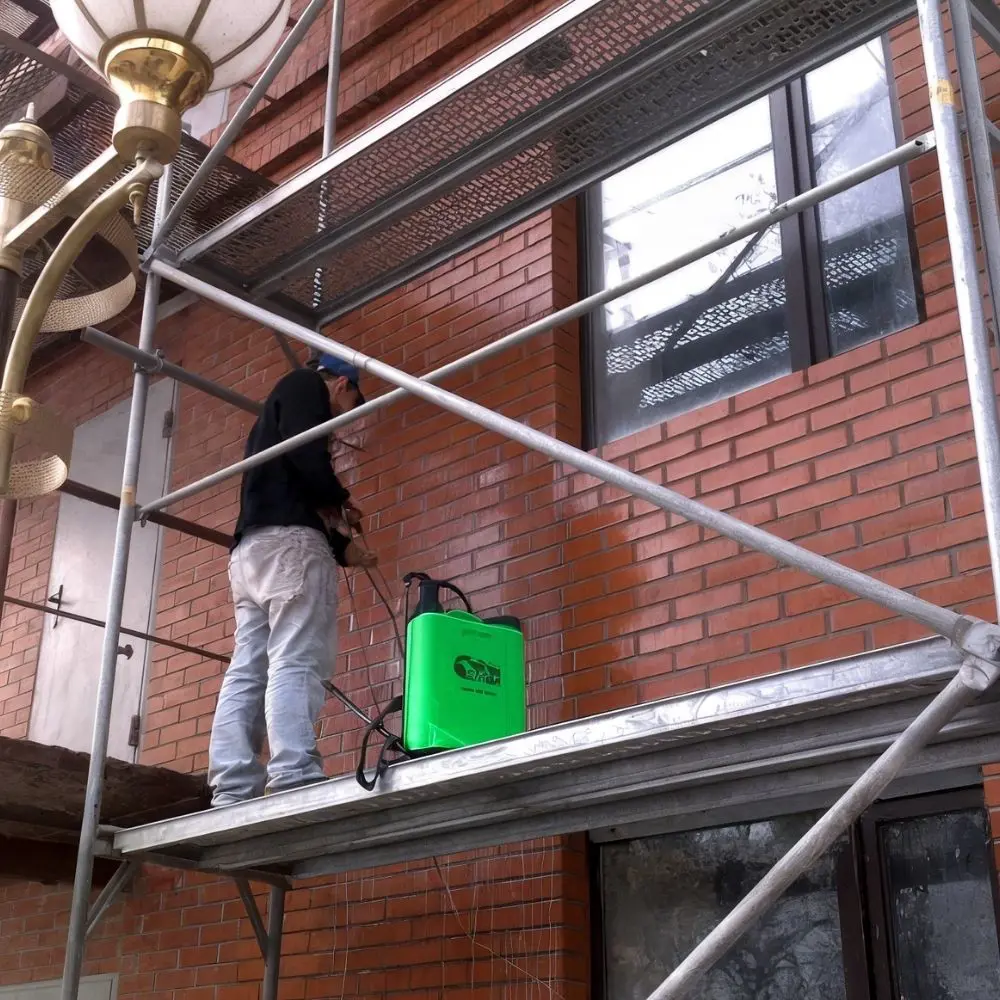
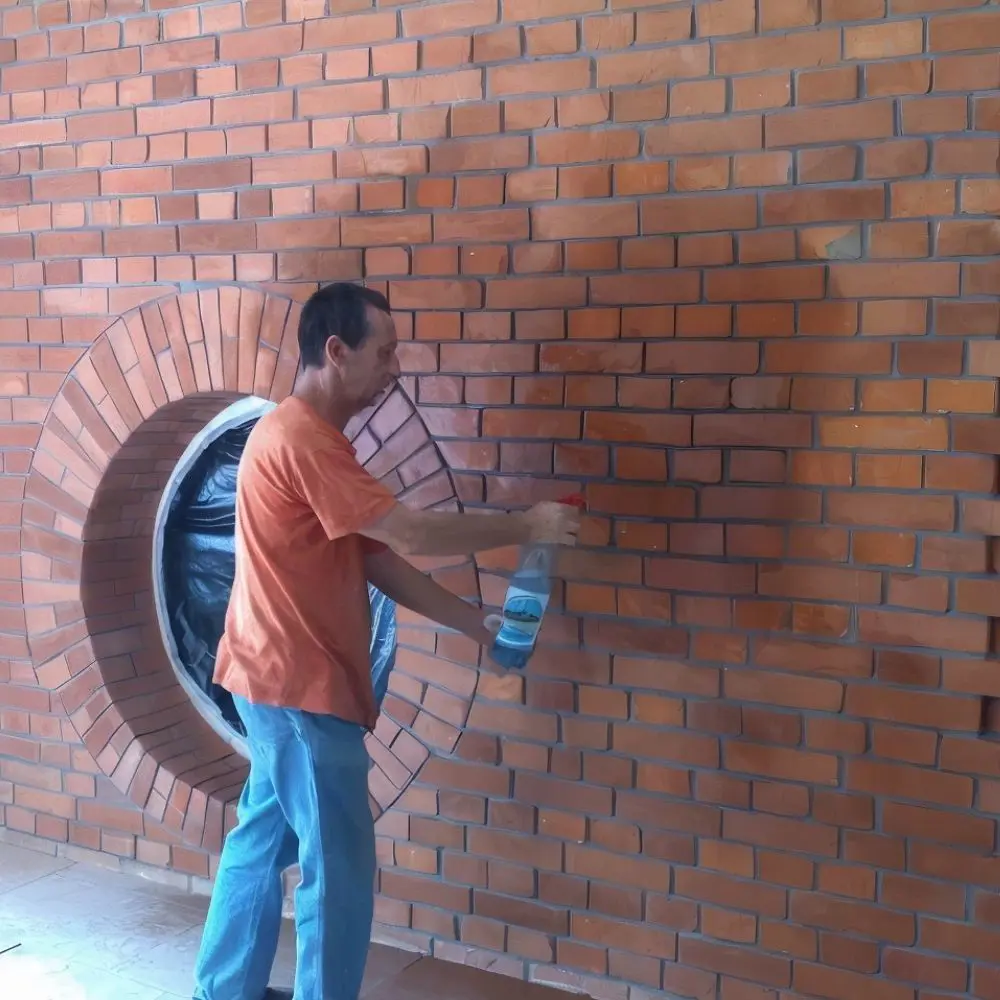
Final protection. The facade is treated with hydrophobic impregnations that repel water and provide protection for decades.

How the technology works – step by step:

1.1 Chemical Facade Cleaning 1.2 Gentle Sandblasting of the Facade 1.3 Cleaning the Facade with Paste-Compress 2. Joint Filling 3. Brick Restoration 4. Crack Bonding 5. Waterproofing of Junctions 6. Facade Water Repellency
1

1.1 Chemical Facade Cleaning

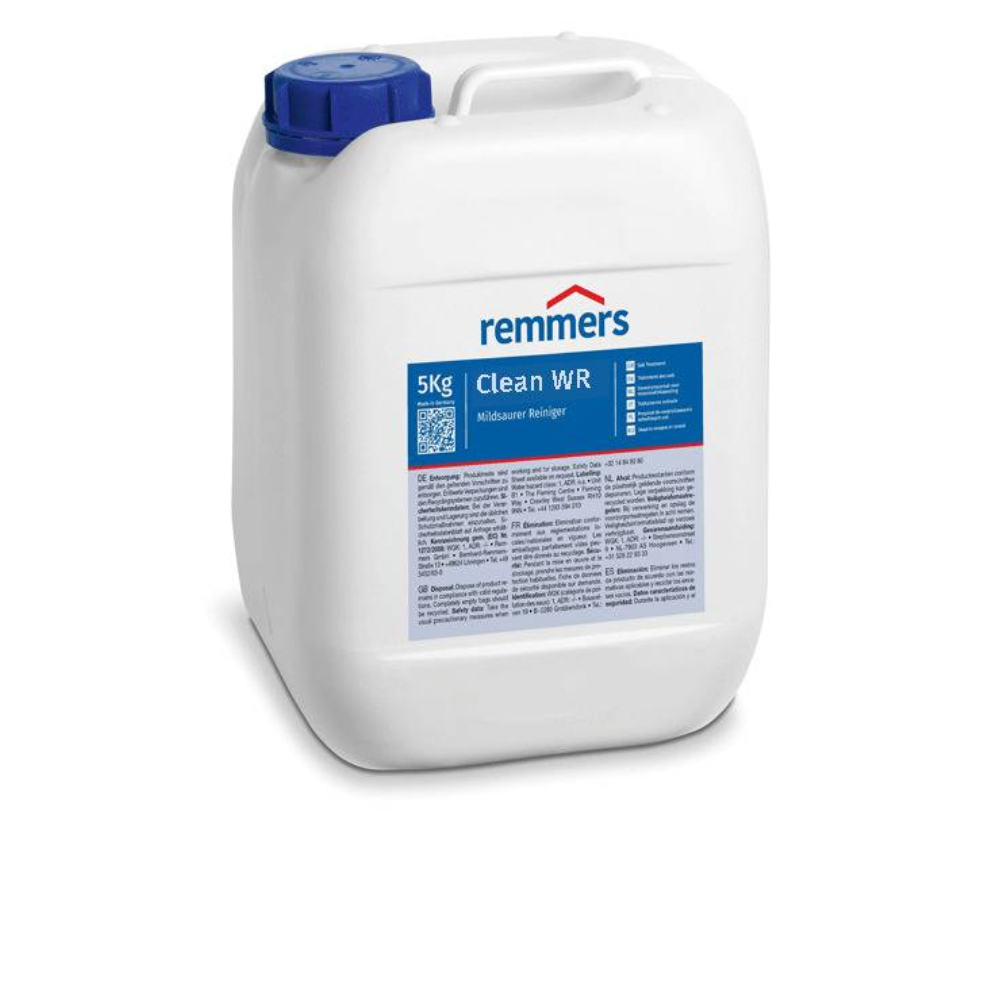
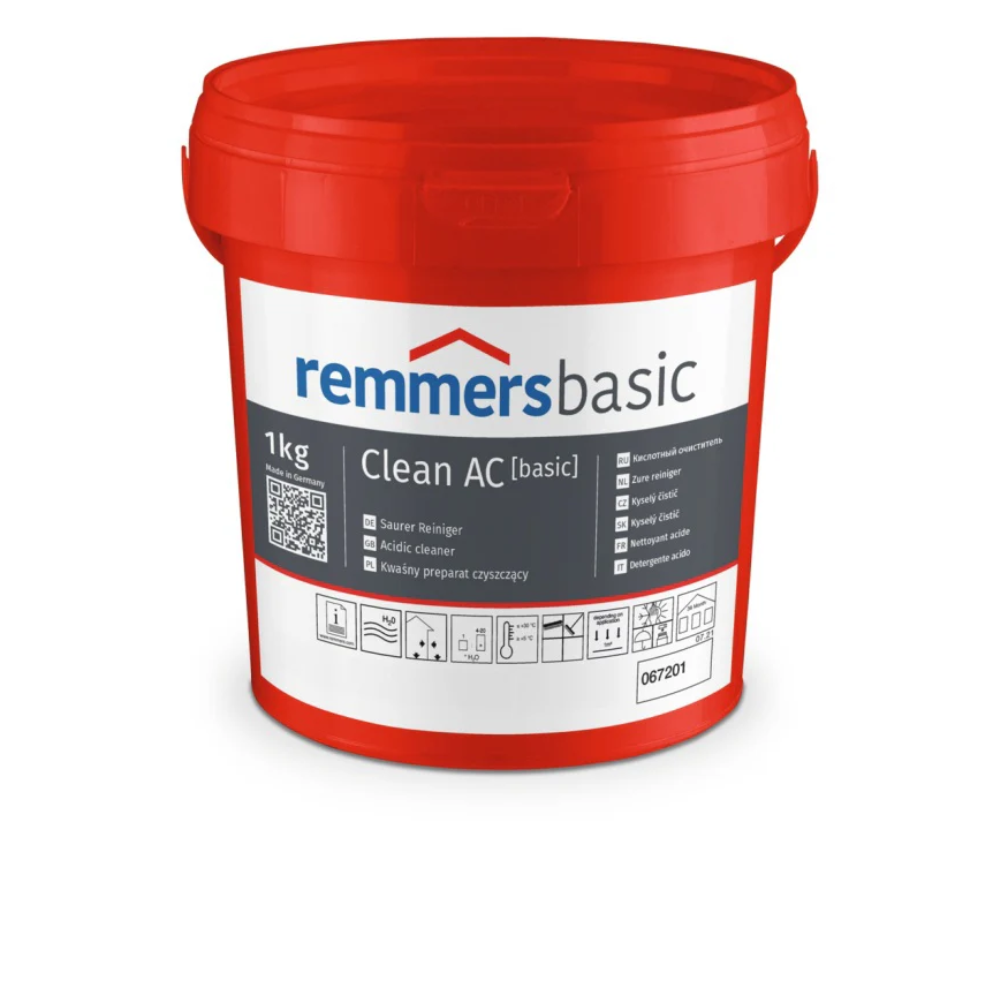
Not all contaminants can be removed mechanically. To dissolve dense crusts of dirt, atmospheric deposits, or biological layers, special chemical agents are used. Their action must be precisely dosed:
As intense as necessary, and as gentle as possible.
Acidic cleaners penetrate through the contamination, destroy its structure, and surfactants encapsulate the particles, which are then easily washed away with water.

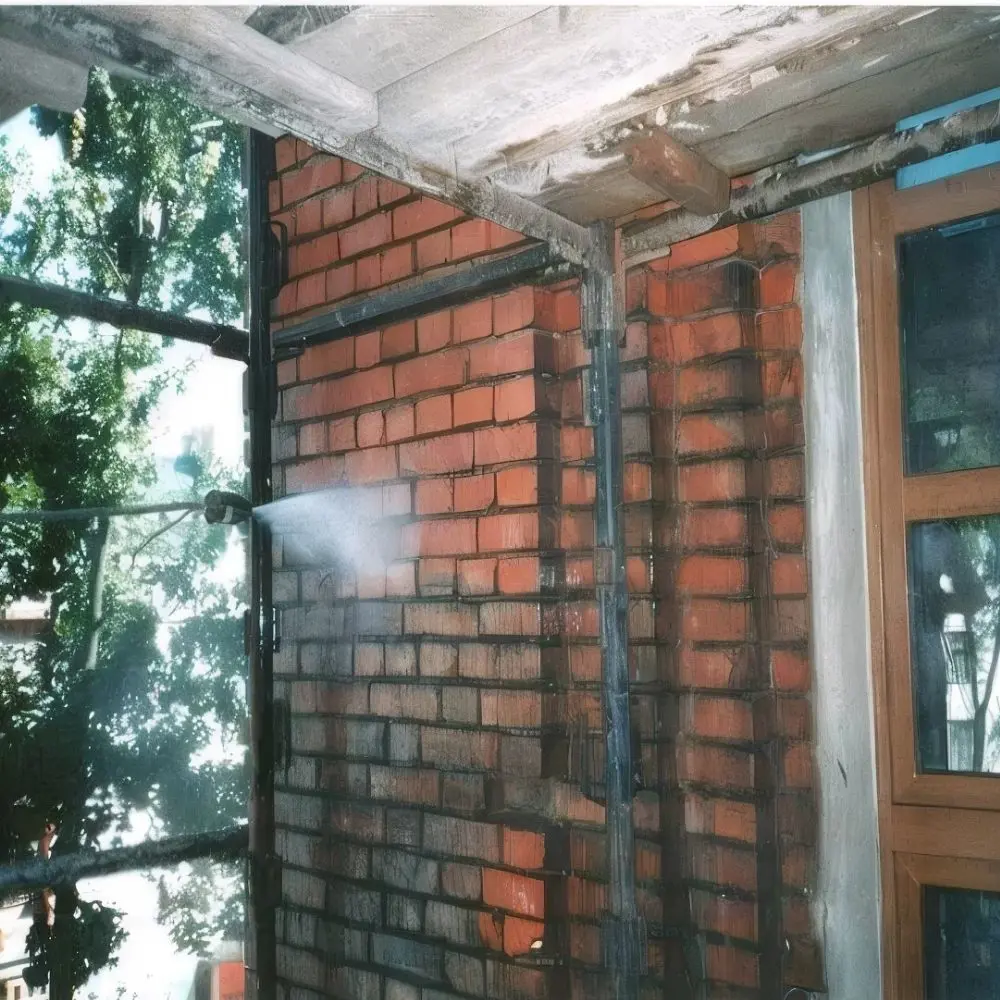
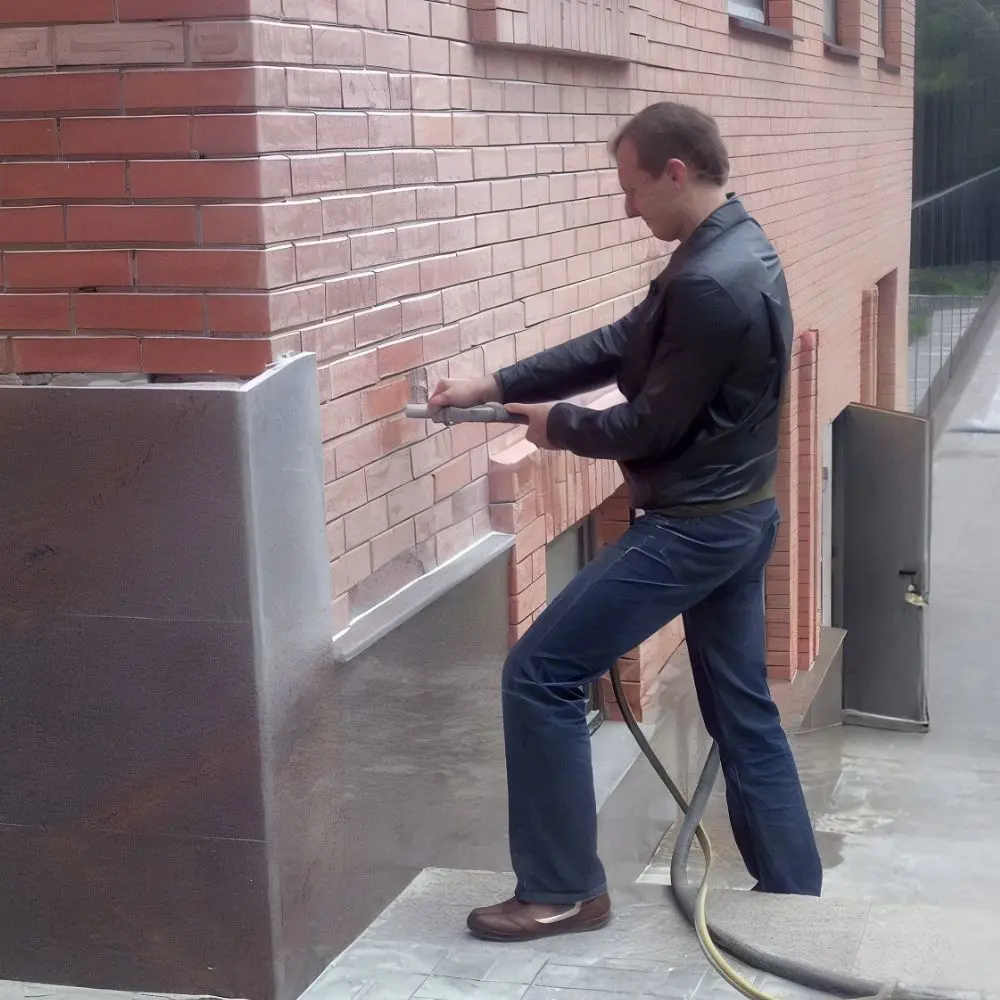
1.2 Gentle Sandblasting of the Facade

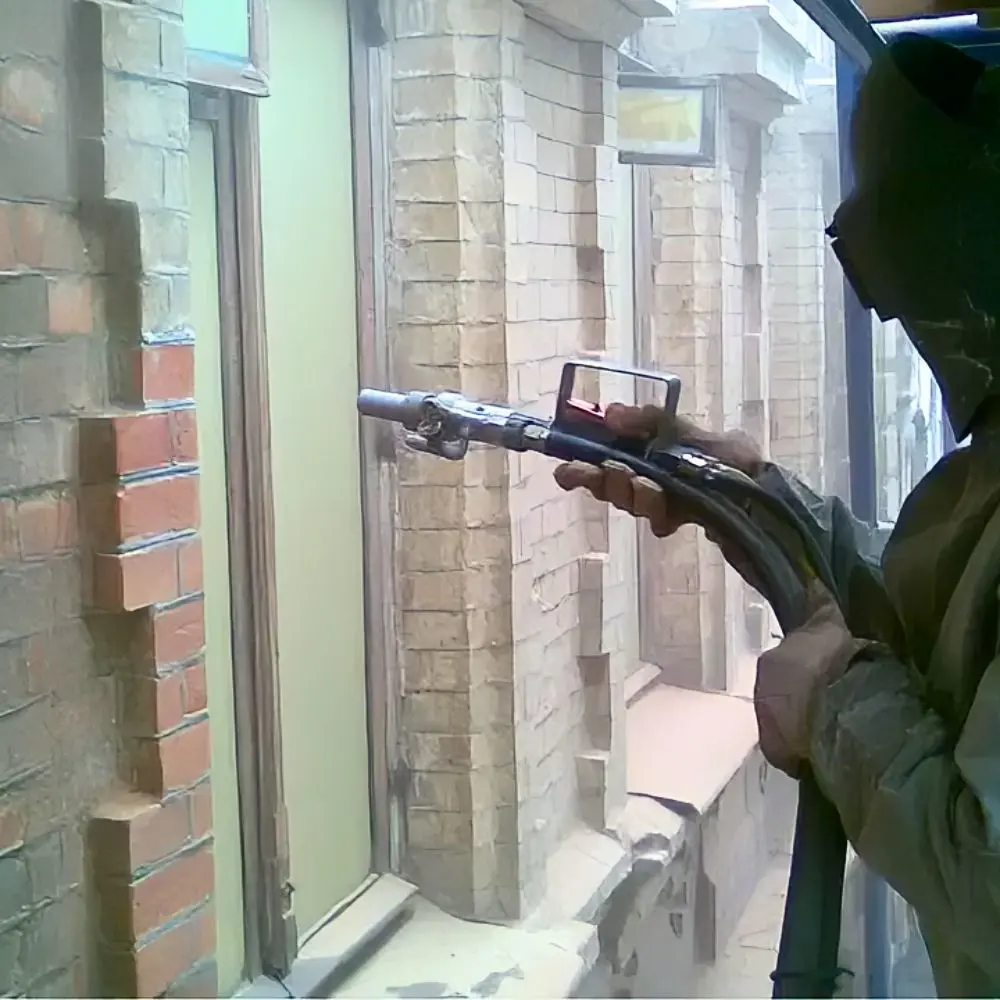
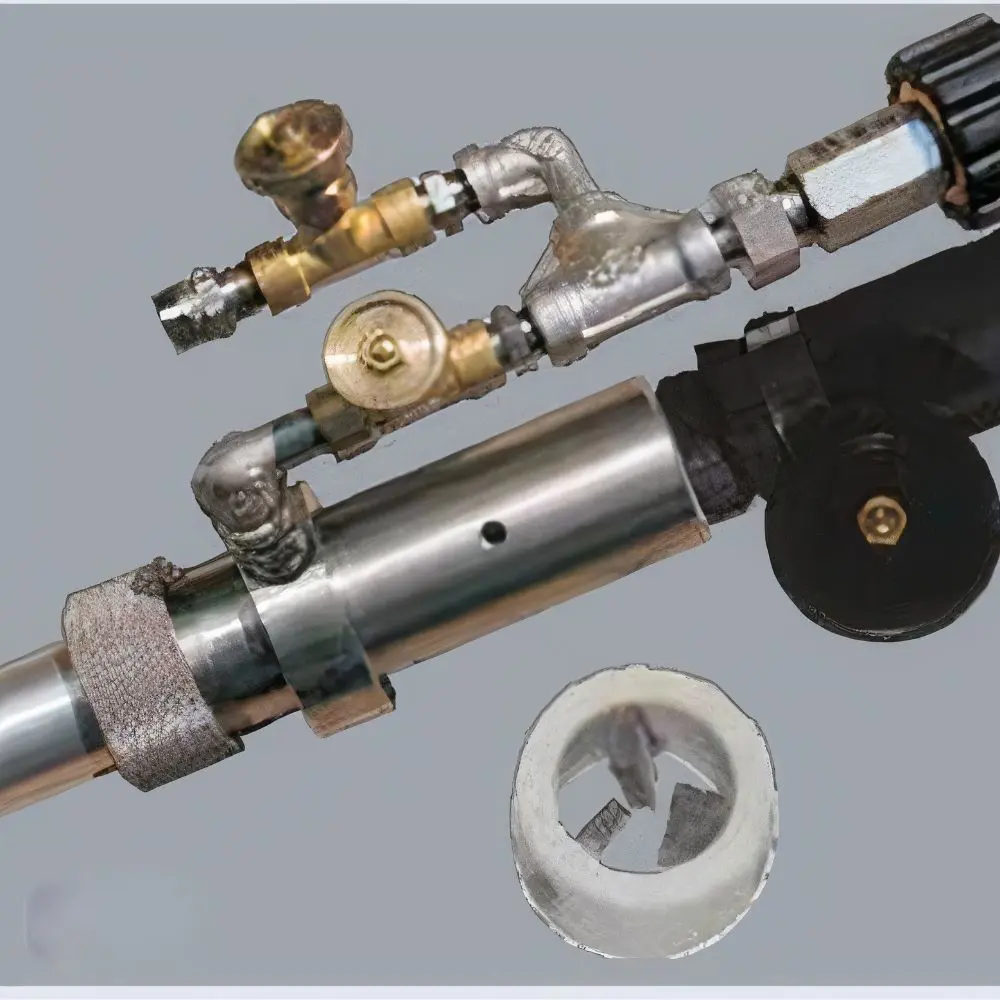
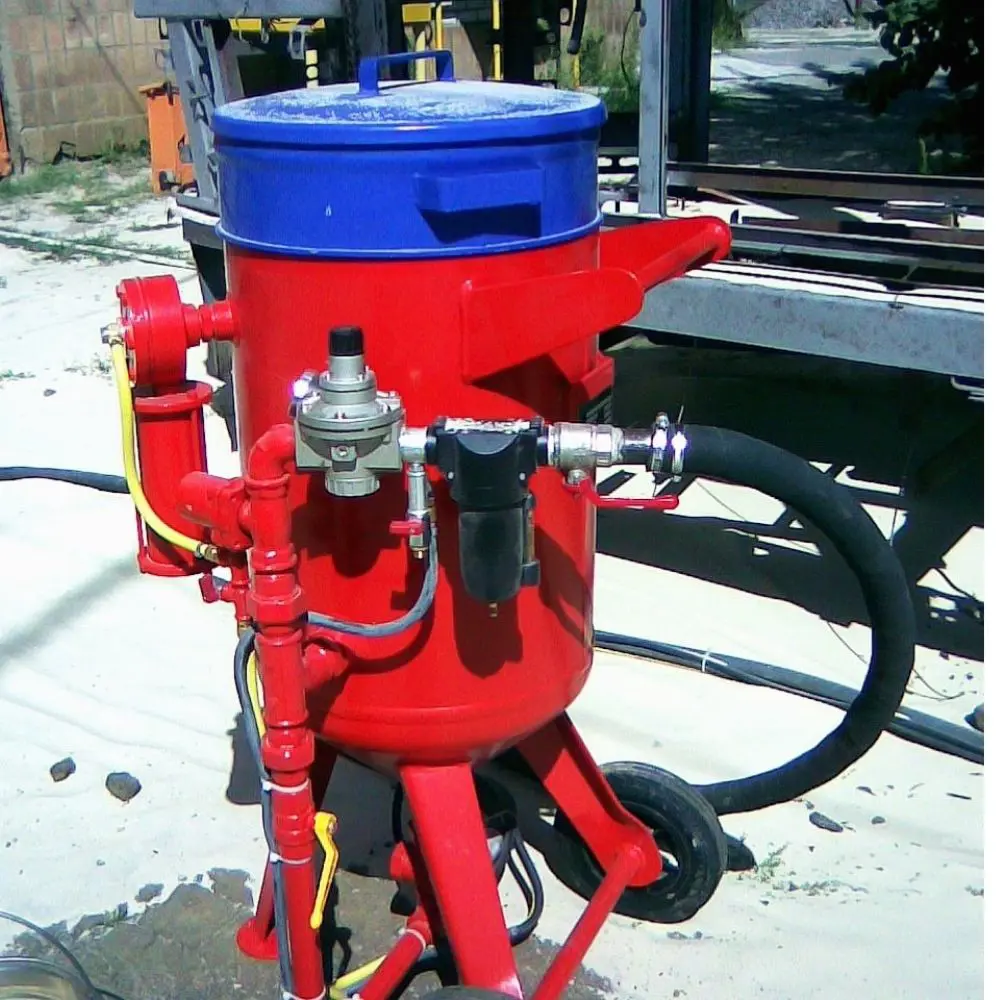
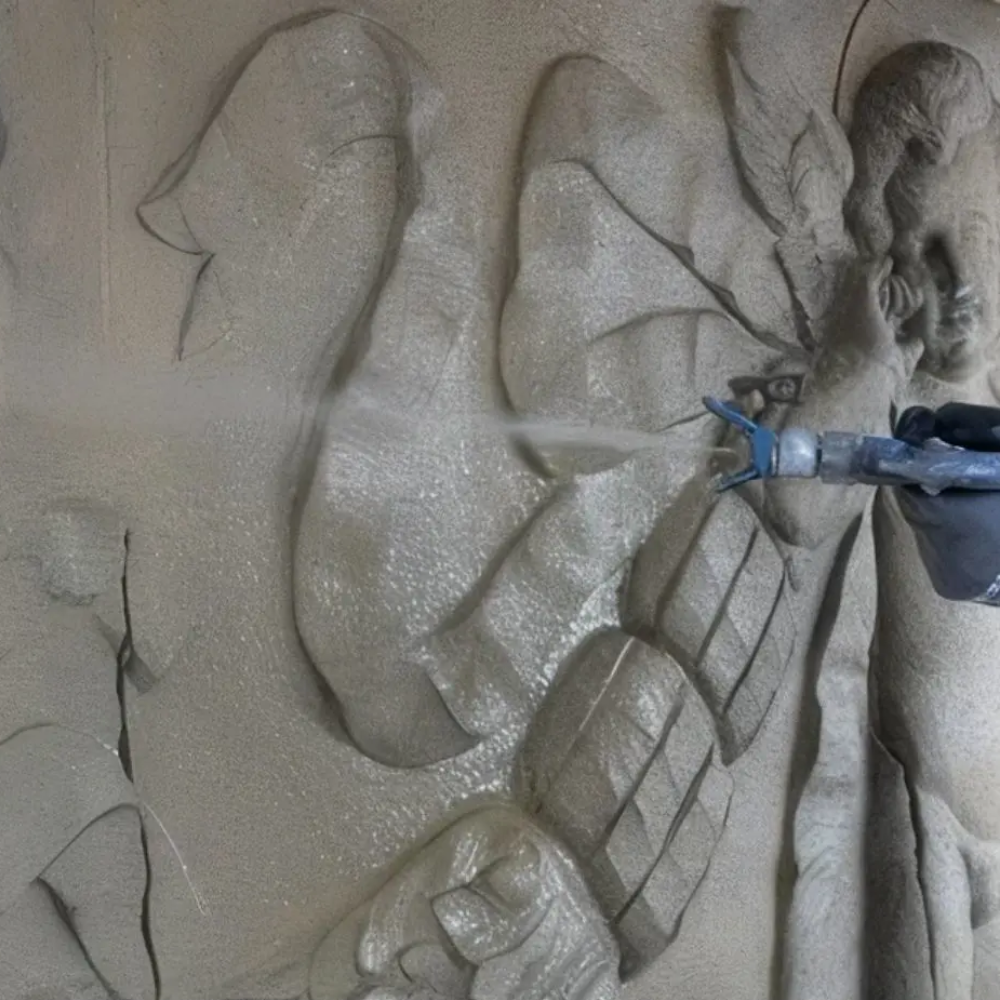
Remmers Rotec vortex abrasive blasting technology
When using the vortex method of abrasive blasting, the abrasive particles are not directed vertically, as in traditional systems, but move at an angle—thanks to the rotation of the mixture of air, water, and abrasive.
The abrasive does not hit the surface but glides over it, ensuring extremely gentle cleaning. The intensity can be adjusted — from a “like new” effect to complete preservation of the patina.
This allows even historic facades to be carefully cleaned without the risk of damaging the structure of the material.

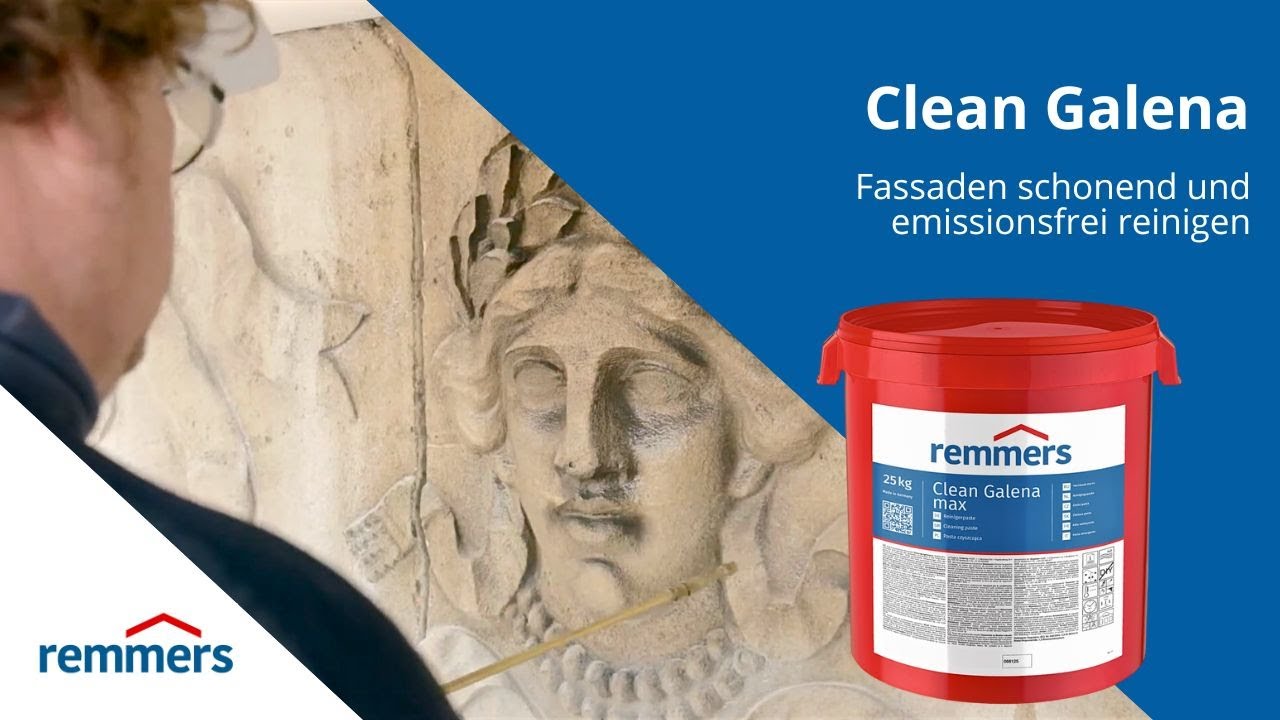
1.3 Cleaning the Facade with Paste-Compress

Facades in cities are constantly exposed to aggressive atmospheric pollution:
dust, soot from diesel engines, microparticles of rubber and brake pads, metal dust from railways — all of this settles on surfaces and forms a dense coating.
These particles often contain heavy metals and pose a real danger to health and the environment, especially if they are released back into the air or soil during sandblasting or washing with water.
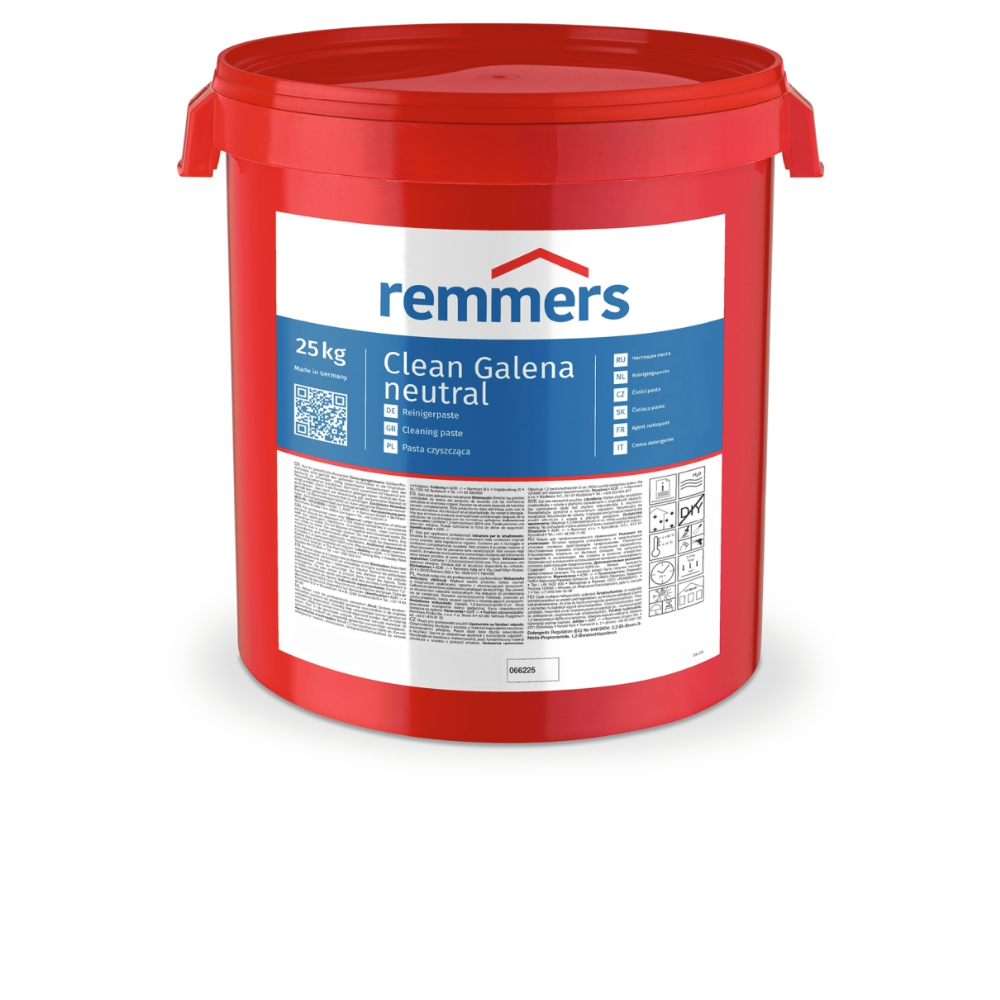
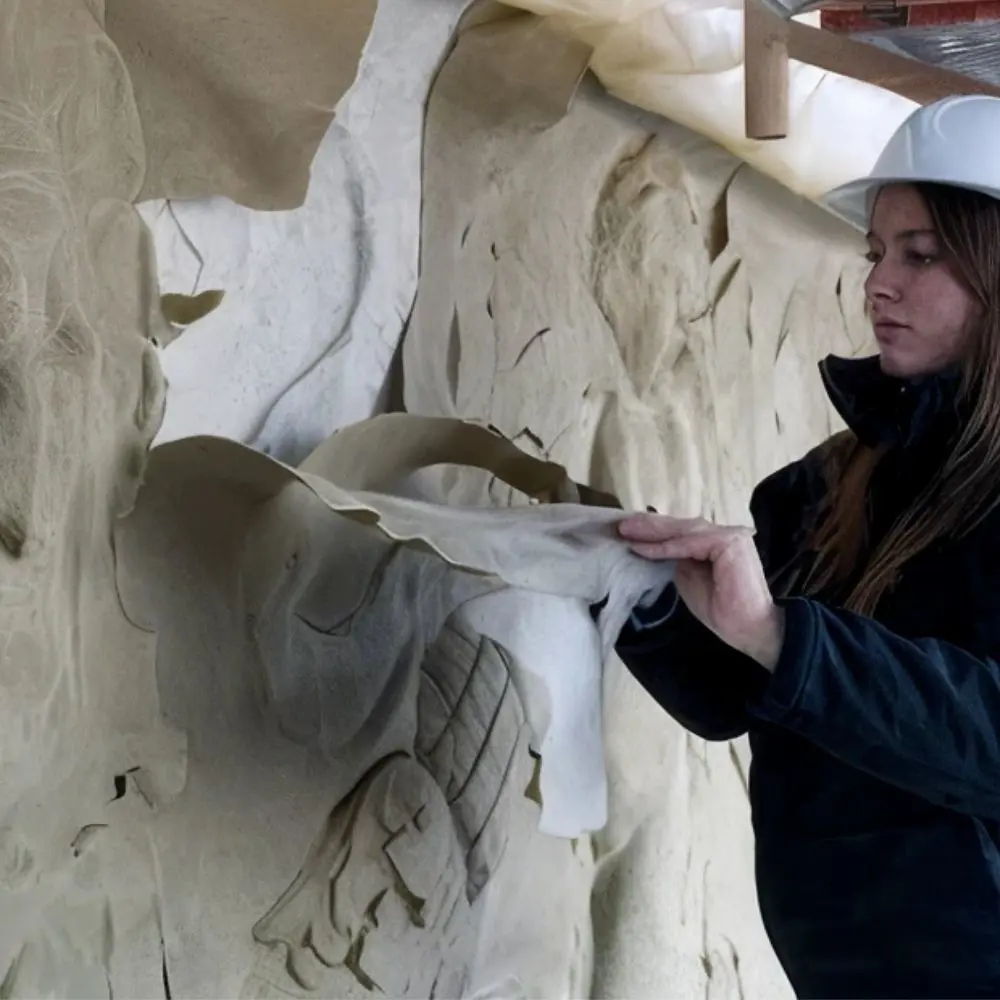
The special paste-like Clean Galena compress binds harmful substances on the surface of the facade. The contaminants are not dispersed into the air or washed away into the sewer system, but remain encapsulated in the paste.
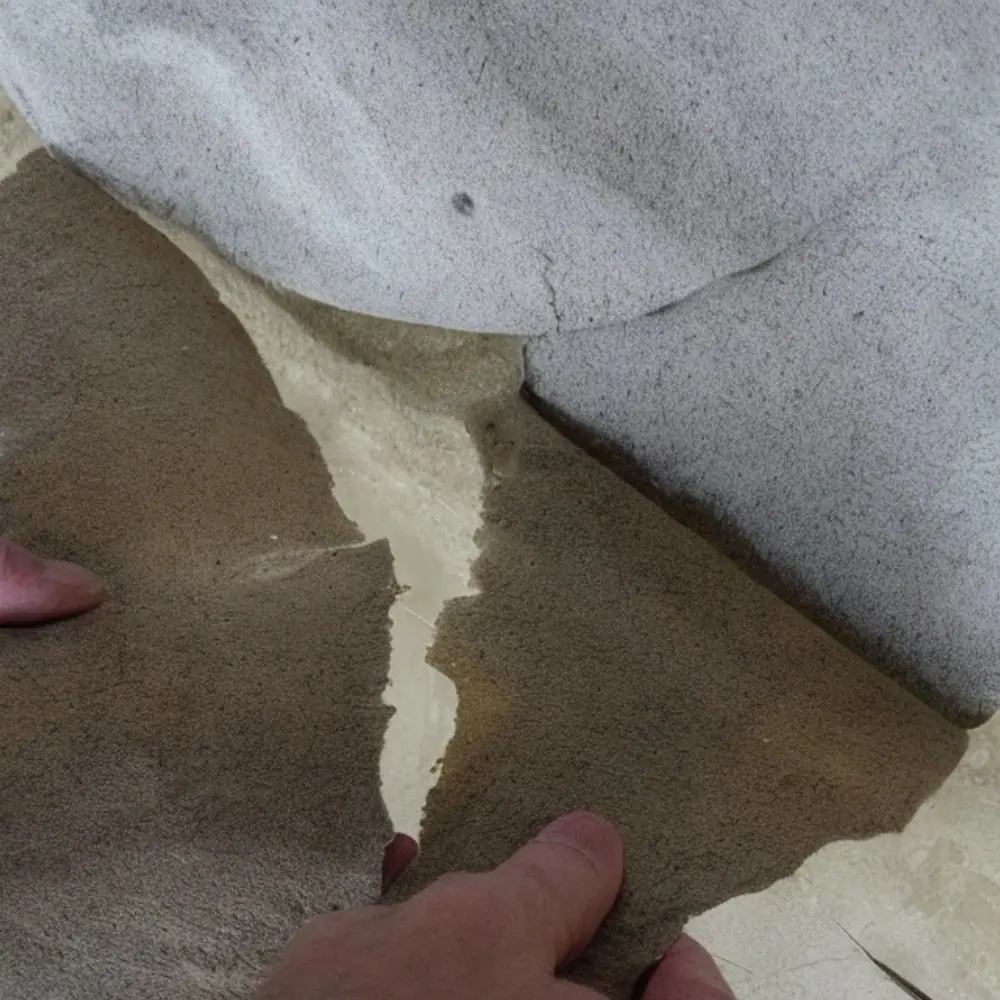
After drying, the compress forms microcracks and can be easily removed from the surface in flakes. It can be safely collected by hand and disposed of as normal waste without harming the environment

2. Joint Filling

Joint restoration — important not only for appearance
Joints account for up to 20% of the area of a brick facade. That is why their shape, color, and condition significantly affect the aesthetics of the entire building. But it's not just about appearance.
Joints perform a critical technical function — they protect the facade from moisture penetration and are a key element in the durability of the entire structure.
Damaged or empty joints:
allow water to penetrate the wall
increase the risk of frost damage
impair thermal insulation
Repair mixtures for joints are designed with the requirements of old masonry and architectural monuments in mind.
They differ in:
different types of binders (cement, lime, natural hydraulic lime, etc.)
precise selection of grain size and color
the ability to choose between hydrophilic and hydrophobic properties
Thanks to this, the composition can be precisely adapted to the existing masonry — both visually and technically.

3. Brick Restoration

Instead of spending time and money on completely replacing elements, it is often sufficient to repair the damaged area locally.
Cracks, chips, erosion, and loss of volume can all be repaired with high-quality restoration mortars. This approach:
is faster and more economical than replacing bricks
provides a long-lasting effect
allows for minimal visual interference
Remmers mixtures are available:
in three grain sizes — for a precise match to the texture
with a free choice of color (including by mixing)
with properties that correspond to historical materials
This means that the restoration mortar can be matched to any masonry without changing its character.

4. Crack Bonding

Cracks in brick facades can occur for various reasons: thermal deformation, foundation settlement, dynamic loads, or structural errors.
But regardless of their origin, cracks are a breach of structural integrity that requires professional repair.
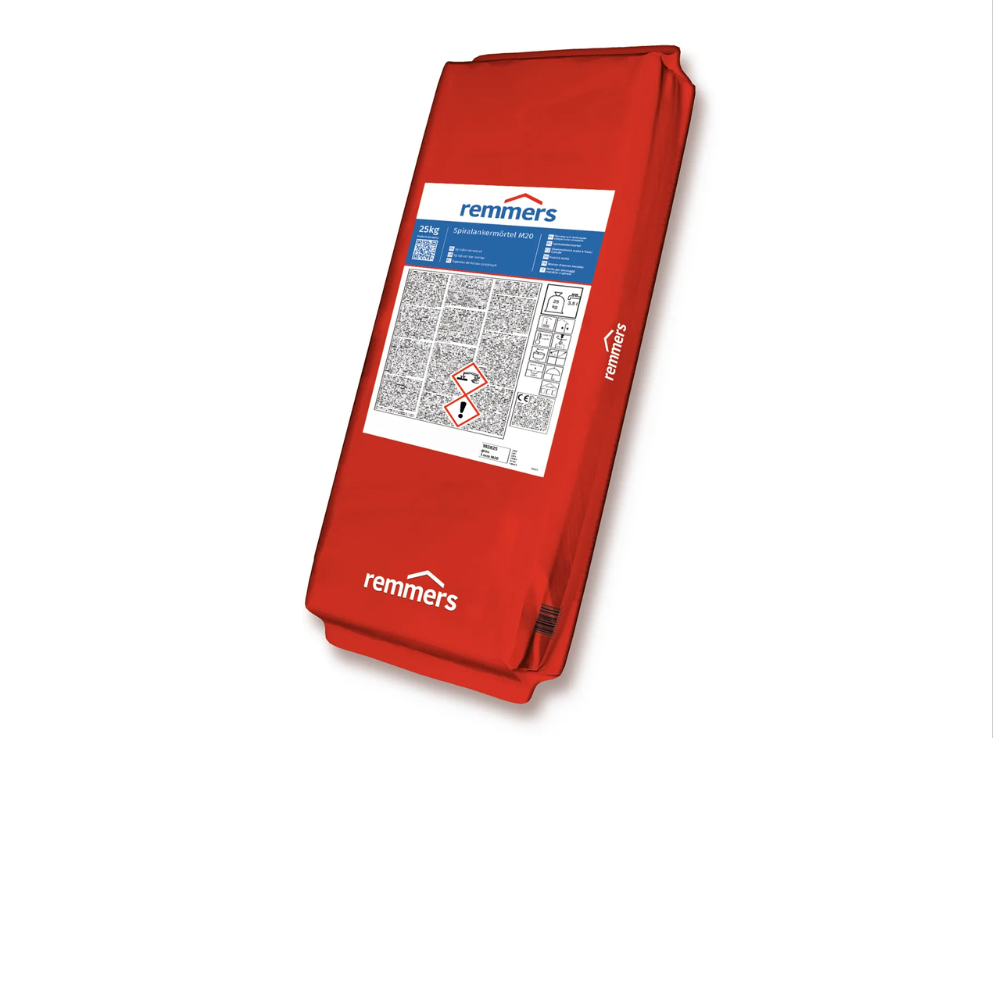
The Remmers spiral anchor system is a reliable and minimally invasive solution for stabilizing cracked masonry.
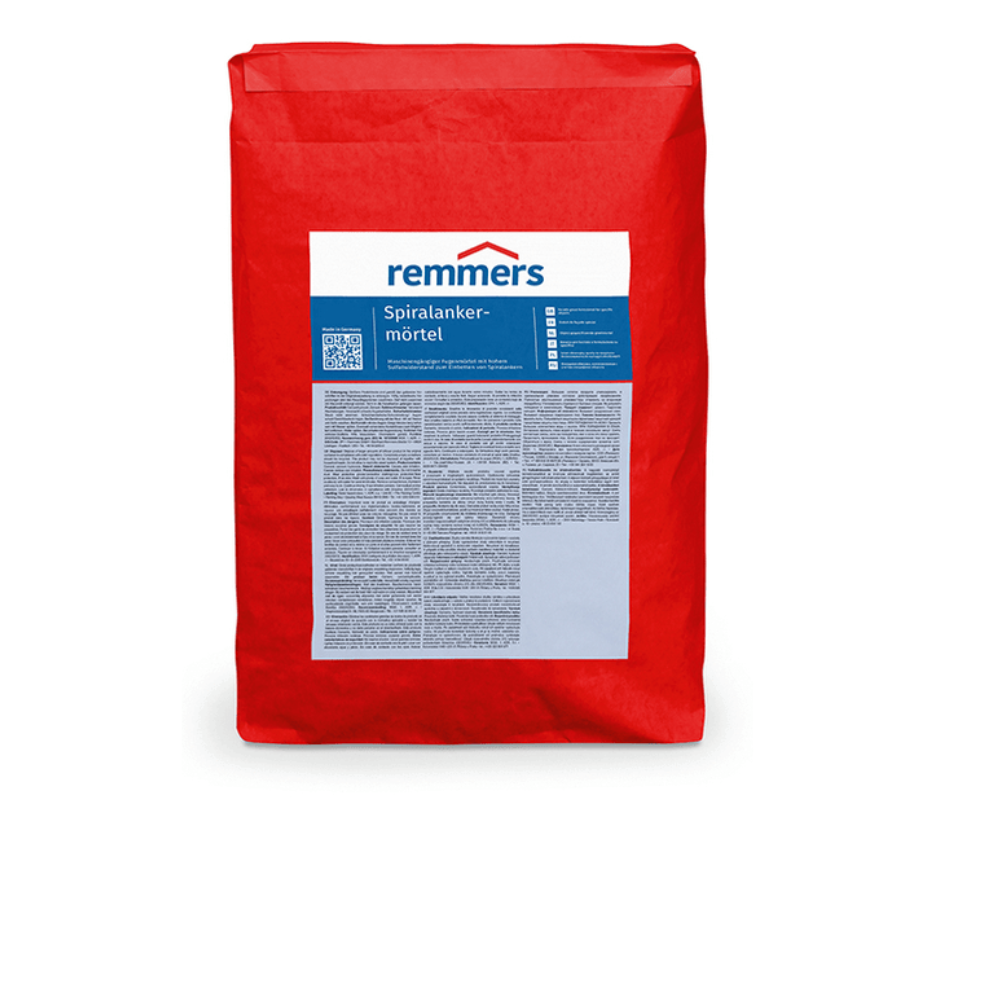
The anchors are installed directly into the joints, without the need to dismantle the bricks.
This allows you to:
preserve the authentic masonry even in damaged areas
avoid significant material losses
ensure long-term structural stability
effectively repair lintels, openings, and arched areas

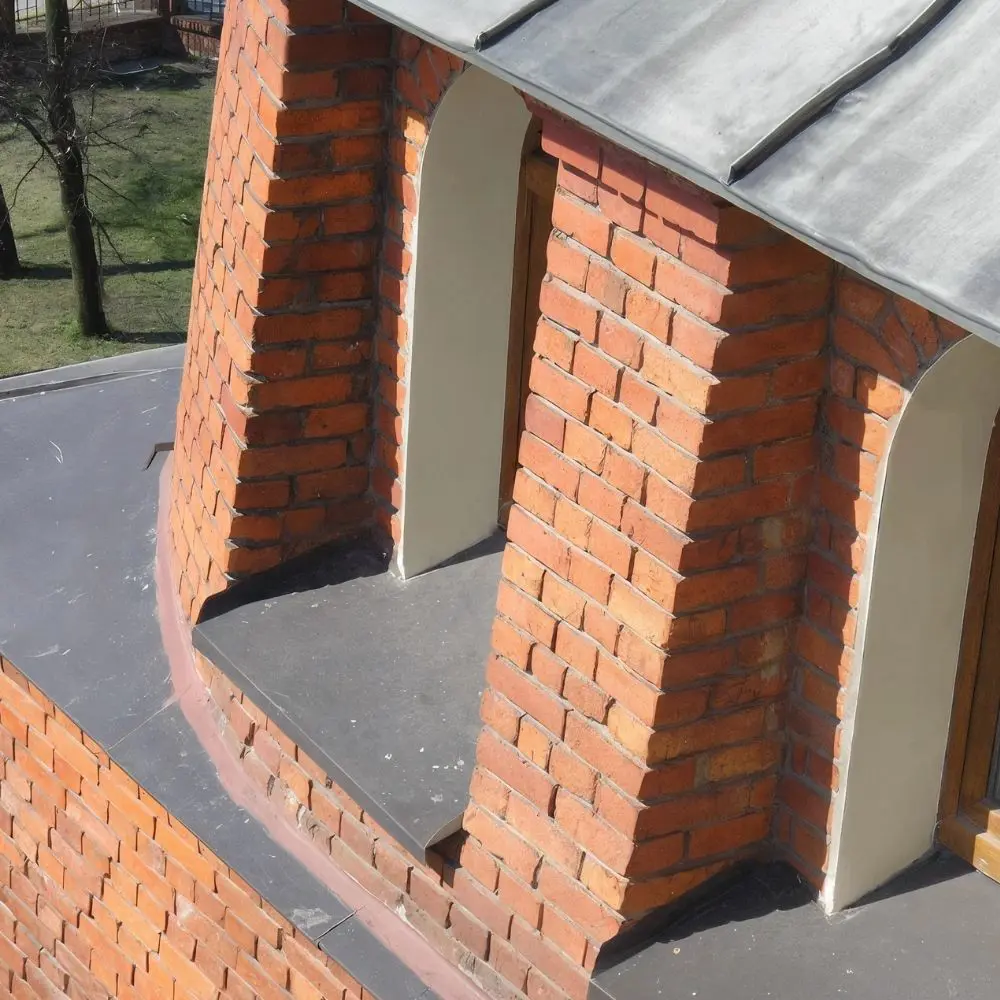
5. Waterproofing of Junctions

One of the weakest points of any facade is the junction areas:
where horizontal elements (cornices, window sills, canopies, roofing sections) meet vertical walls.
It is at these points that water most often penetrates, which can lead to:
brick dampness
plaster delamination
mold formation inside walls
accelerated masonry deterioration
To avoid this, the technology involves sealing all joints using proven solutions:
elastic sealants
special waterproofing membranes
profile joint protection systems
The result is a reliable moisture barrier at the most critical points of the structure.

6. Facade Water Repellency

Water is the main enemy of mineral materials. It triggers weathering processes, impairs thermal insulation, and leads to the formation of cracks, salts, and mold.
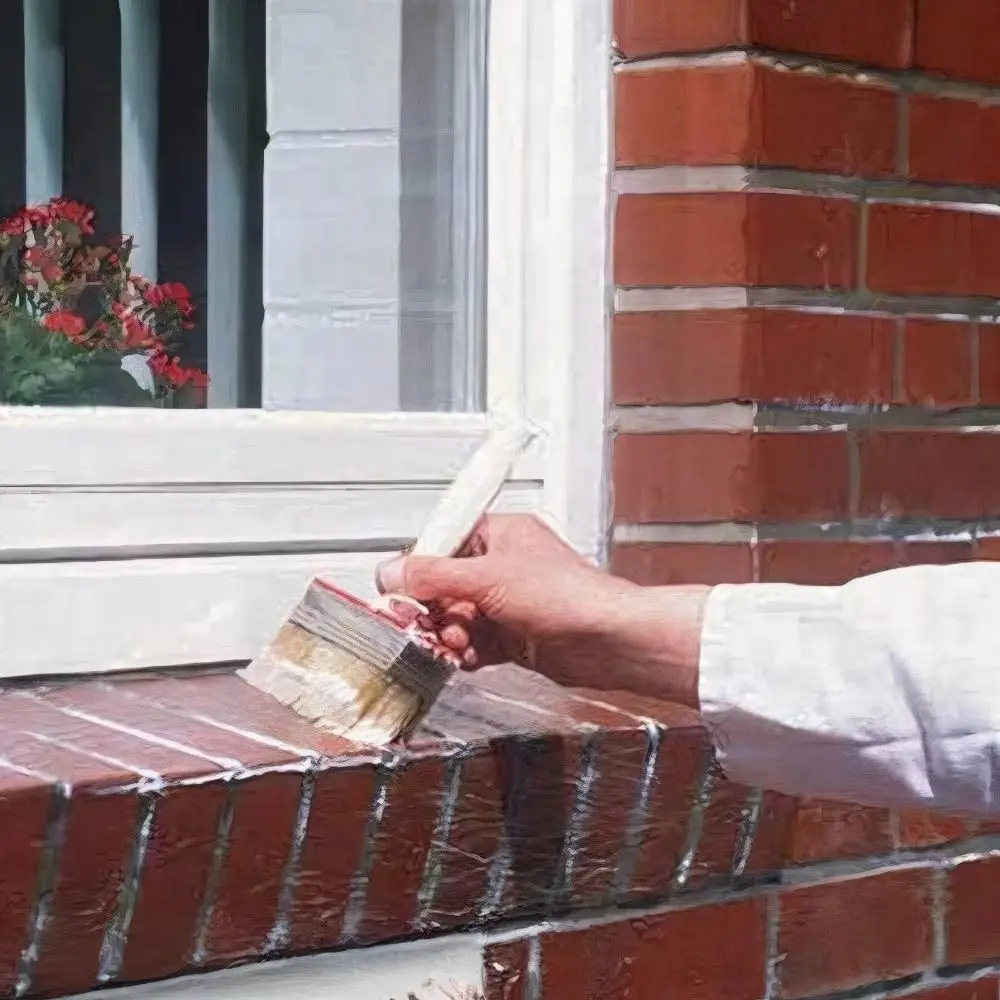
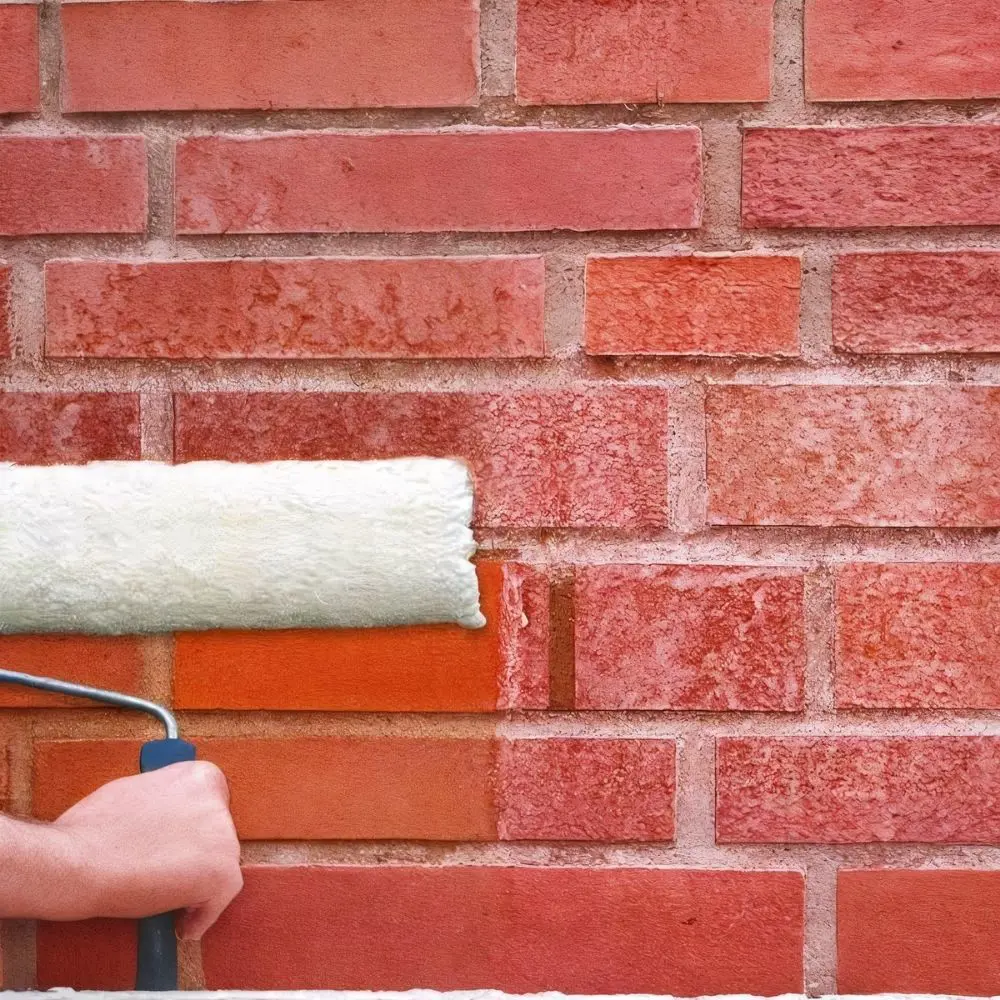
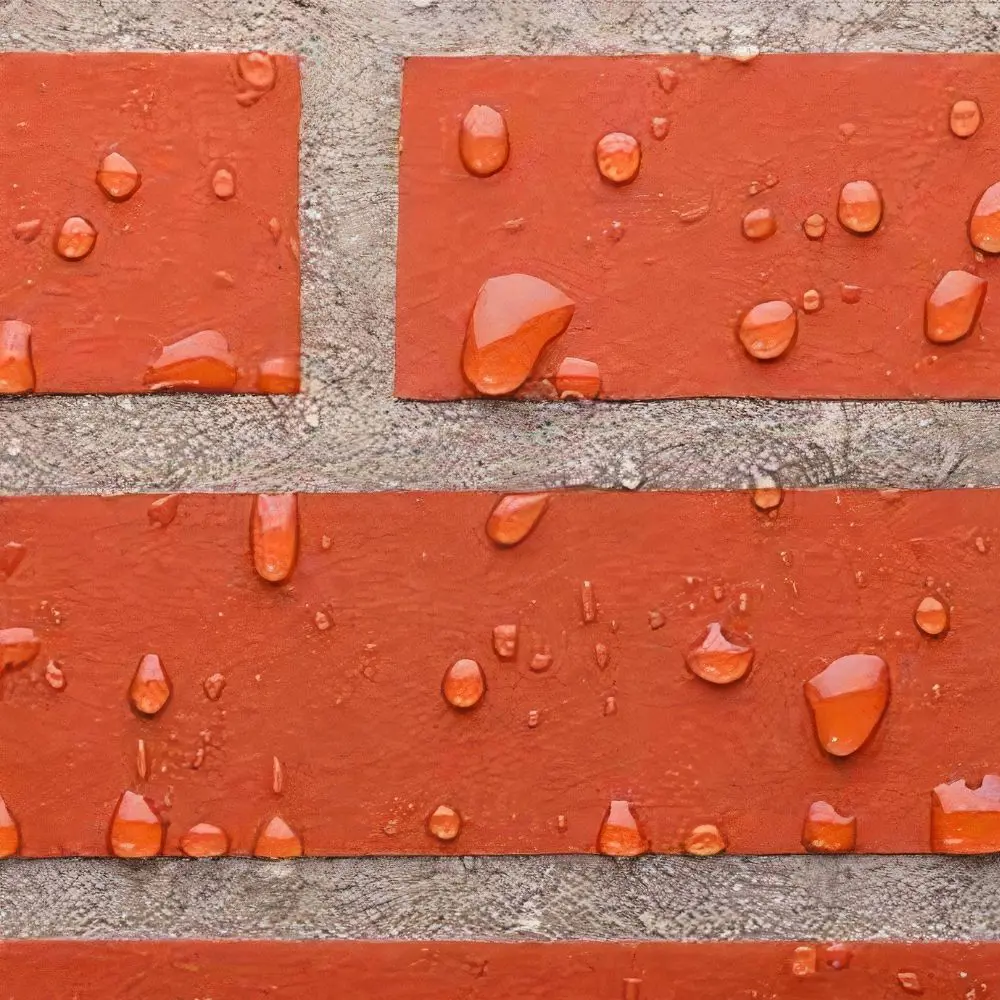
Hydrophobic impregnation is a preventive measure that significantly reduces capillary water absorption of the facade. This is especially important:
in areas of active rain moisture
with prolonged exposure to splashes from the ground or eaves
on objects with already detected signs of moisture
How does it work?
The impregnation creates an invisible layer on the walls of the capillaries, which reduces the force of adhesion with water. Thanks to this, the drop is not drawn in, but remains on the surface and flows down.
In addition to protecting against water, hydrophobization helps to preserve the thermal insulation properties of the facade.
Dry mineral masonry retains heat much better, while moisture increases thermal conductivity and accelerates energy loss.
It is important to note that:
hydrophobic impregnation does not seal the pores.
The surface remains vapor-permeable, meaning that the wall “breathes” and excess moisture from inside can still evaporate.

Advantages of the technology:

Preservation of the facade’s authenticity

The method allows for the maximum preservation of historical materials and the building’s appearance without distortions or replacements.

Individual approach to each object

The facade is not standardized — solutions are selected according to its technical condition, age, and architectural features.

Controlled impact on the material

Each stage — from cleaning to joint mortar — involves minimal intervention and careful treatment of the brick structure.

Protection against moisture and frost

Sealing of joints and final hydrophobization create a long-lasting protective barrier without compromising vapor permeability.

Material compatibility

All components of the technology are chosen with consideration of their physical and chemical compatibility with historical building materials.

Long-term result without loss of aesthetics

The facade gains not only protection but also an aesthetic renewal — while maintaining a natural look, without the effect of “new masonry.

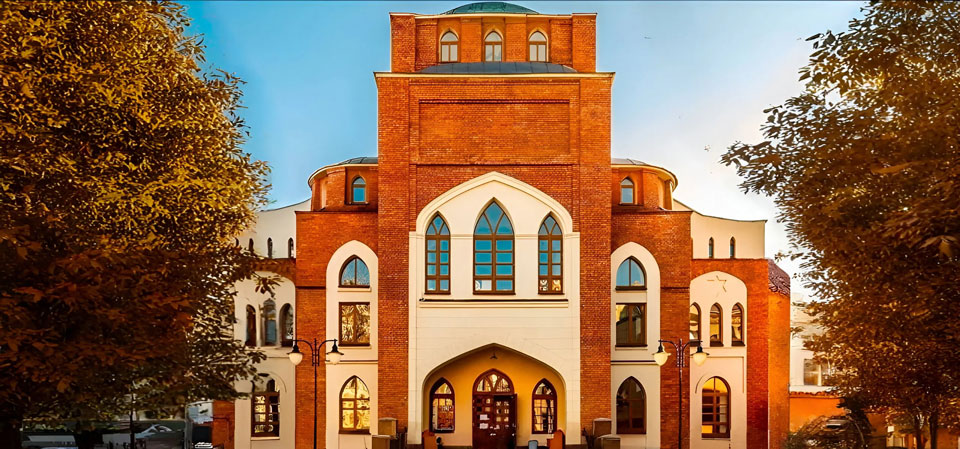
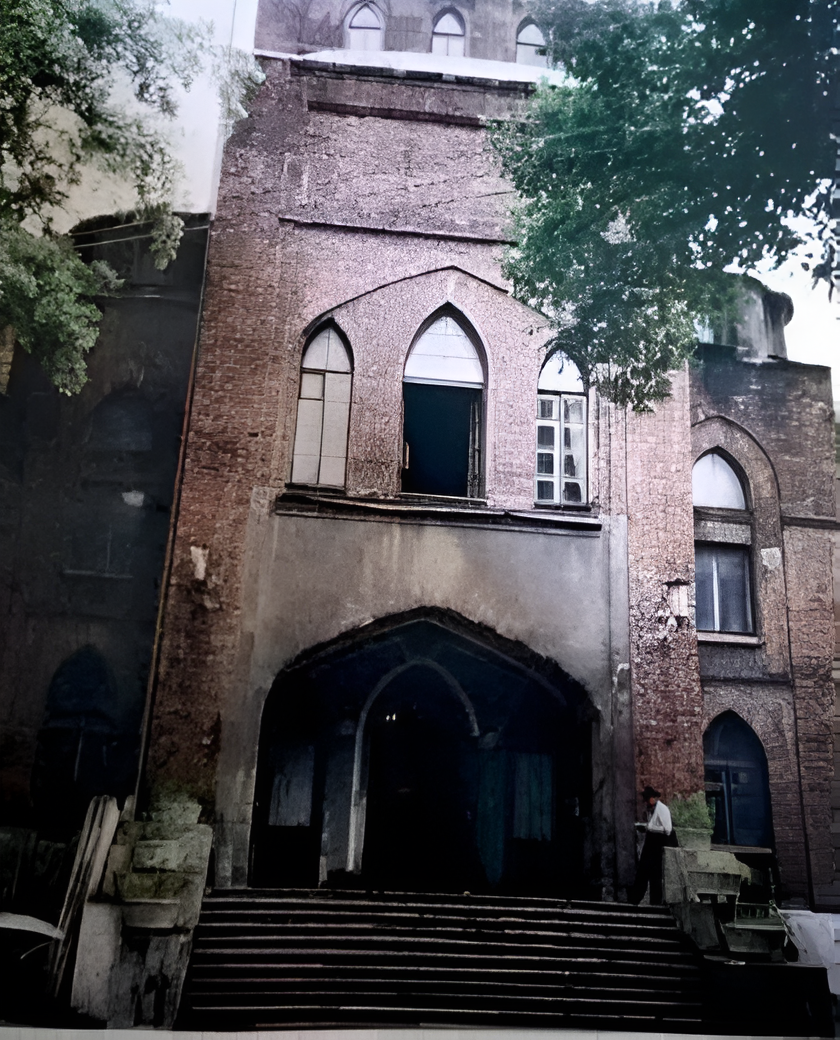
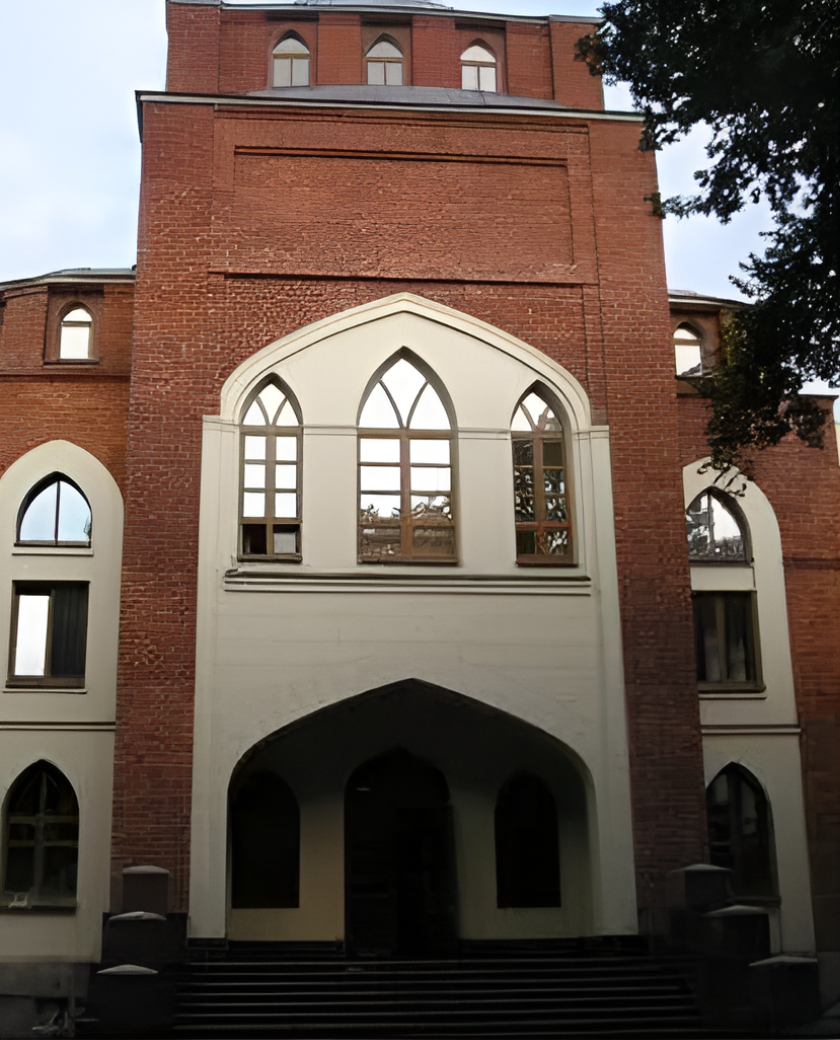
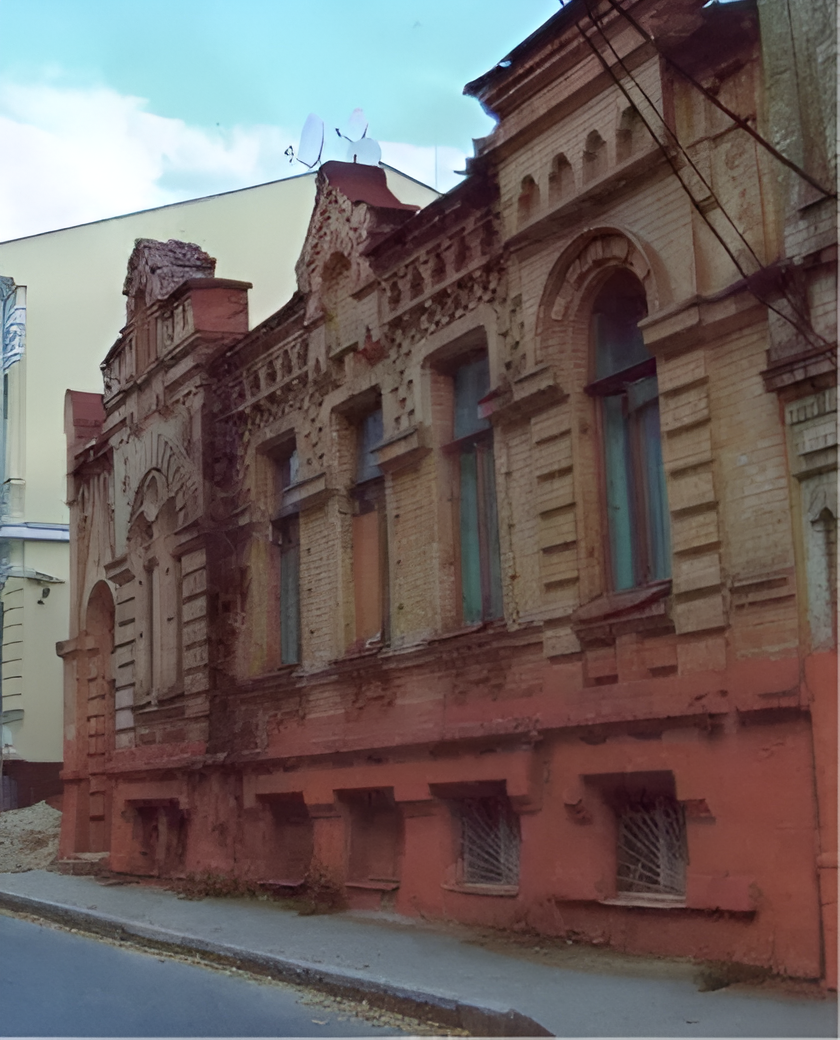
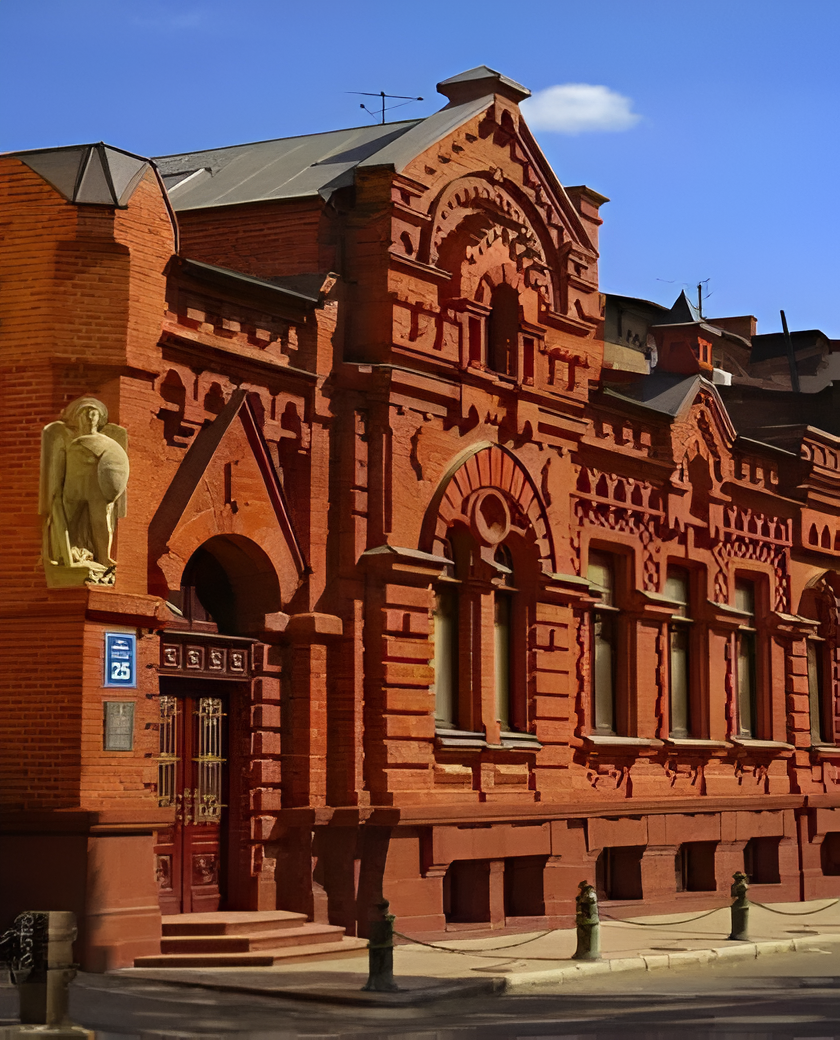
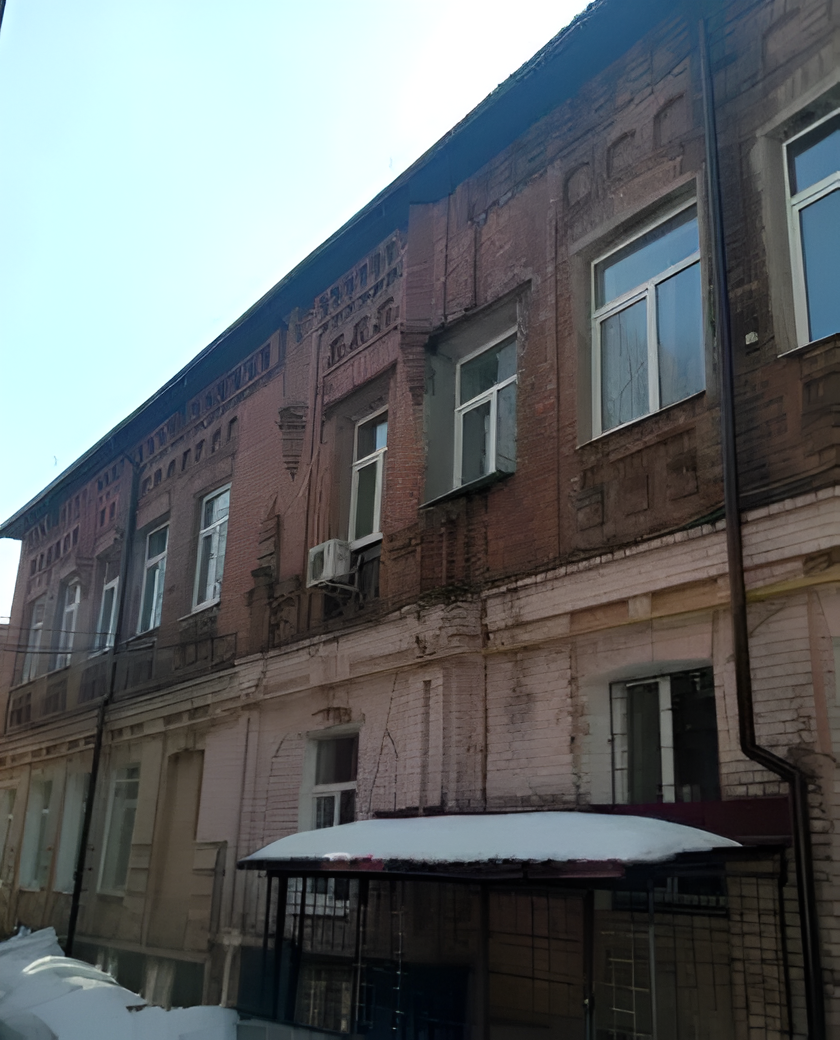
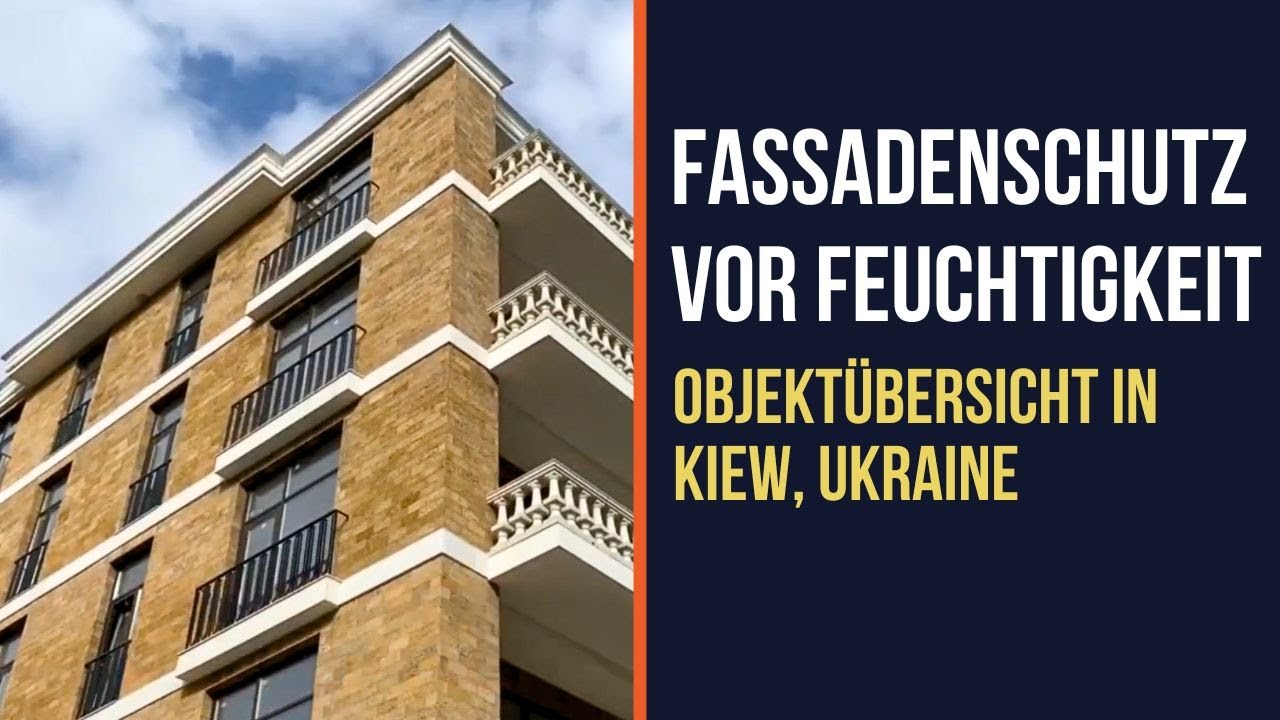
How it looks on real objects

Watch our videos

Frequently Asked Questions (FAQ)

Can this technology be used on new buildings?
Yes, although the technology is designed for restoration, individual steps (cleaning, joint renewal, hydrophobization) also work effectively on new brickwork.
The facade is very old and crumbling. Is this technology suitable?
Yes, it includes material strengthening, loss restoration, and delicate conservation. It is ideal for such objects.
Will the appearance of the facade change after treatment?
No, the goal is to preserve authenticity. The facade looks "renewed but native"—without the effect of new masonry.
How long does hydrophobization protection last?
On average, 10–15 years, depending on operating conditions and materials used. The treatment can be reapplied without altering or damaging the substrate.
Are aggressive chemicals used for cleaning?
No. Preference is given to mildly alkaline, neutral, or special gel agents. Mechanical methods are used only locally under specialist control.
How long does the process take?
Duration depends on the work scope but is always planned step by step—with clear control and documentation of the facade's condition before and after each action.

Order materials in our online store

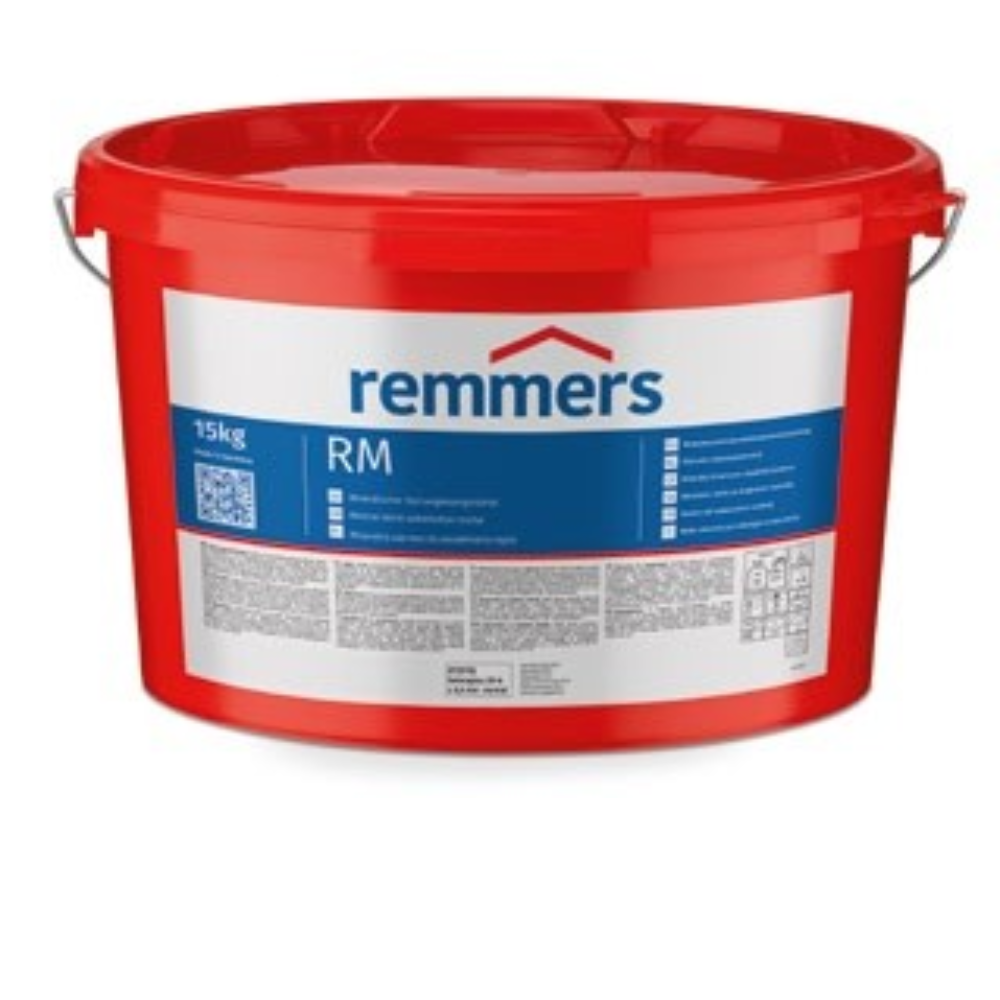
Restoration solution

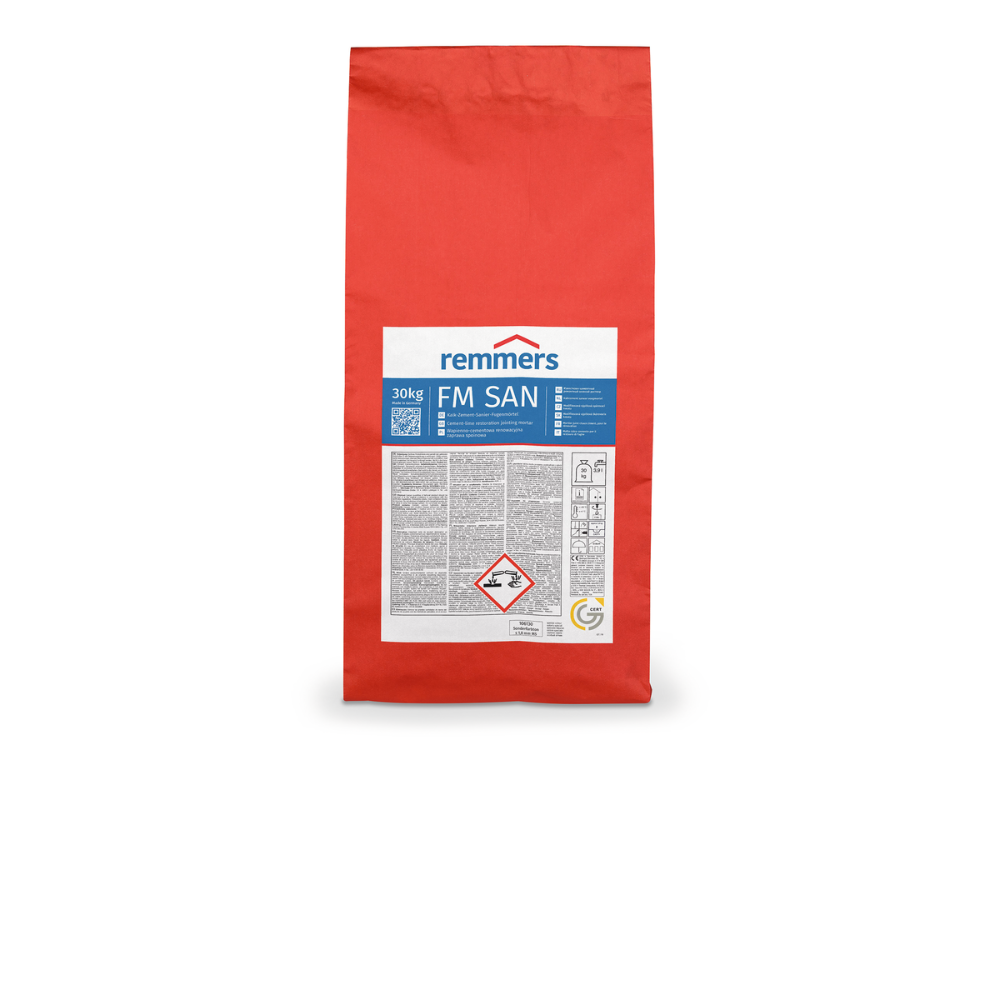
Filling seams

Bonding cracks

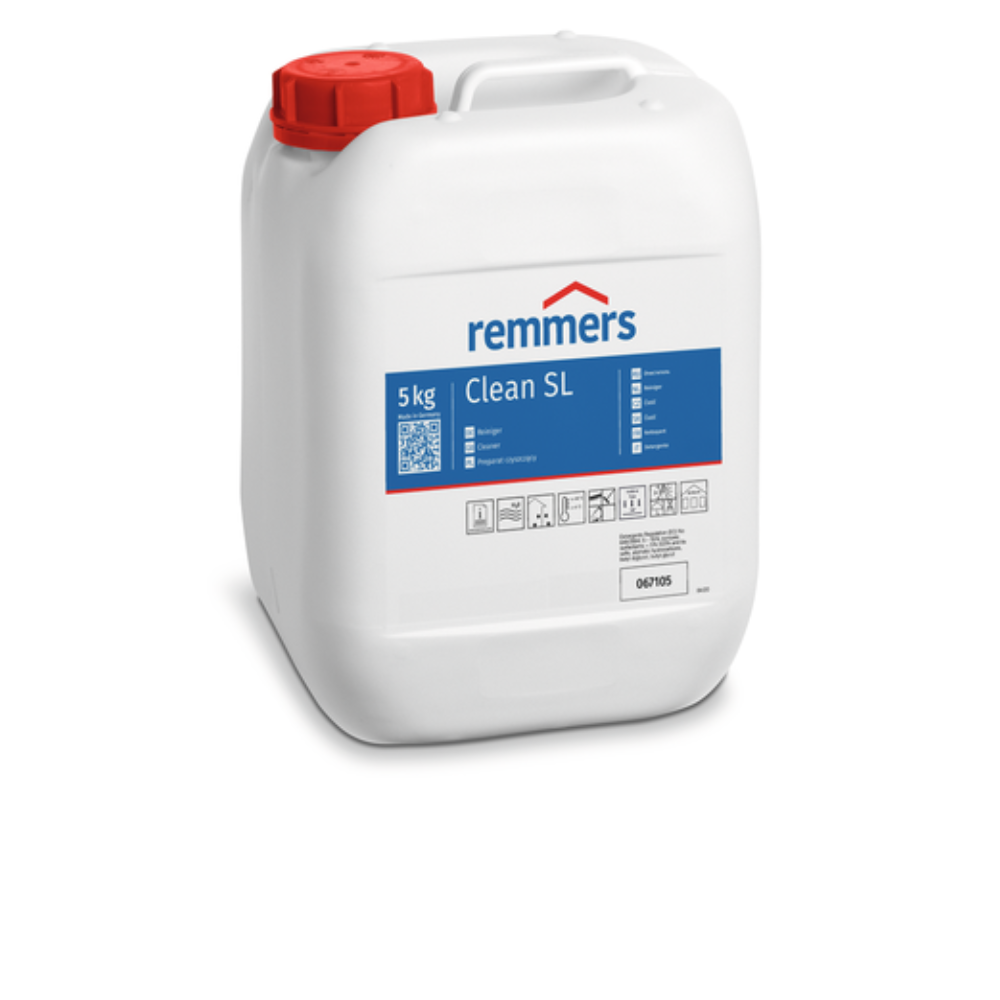
Chemical cleaning

Cleaning with compressed paste

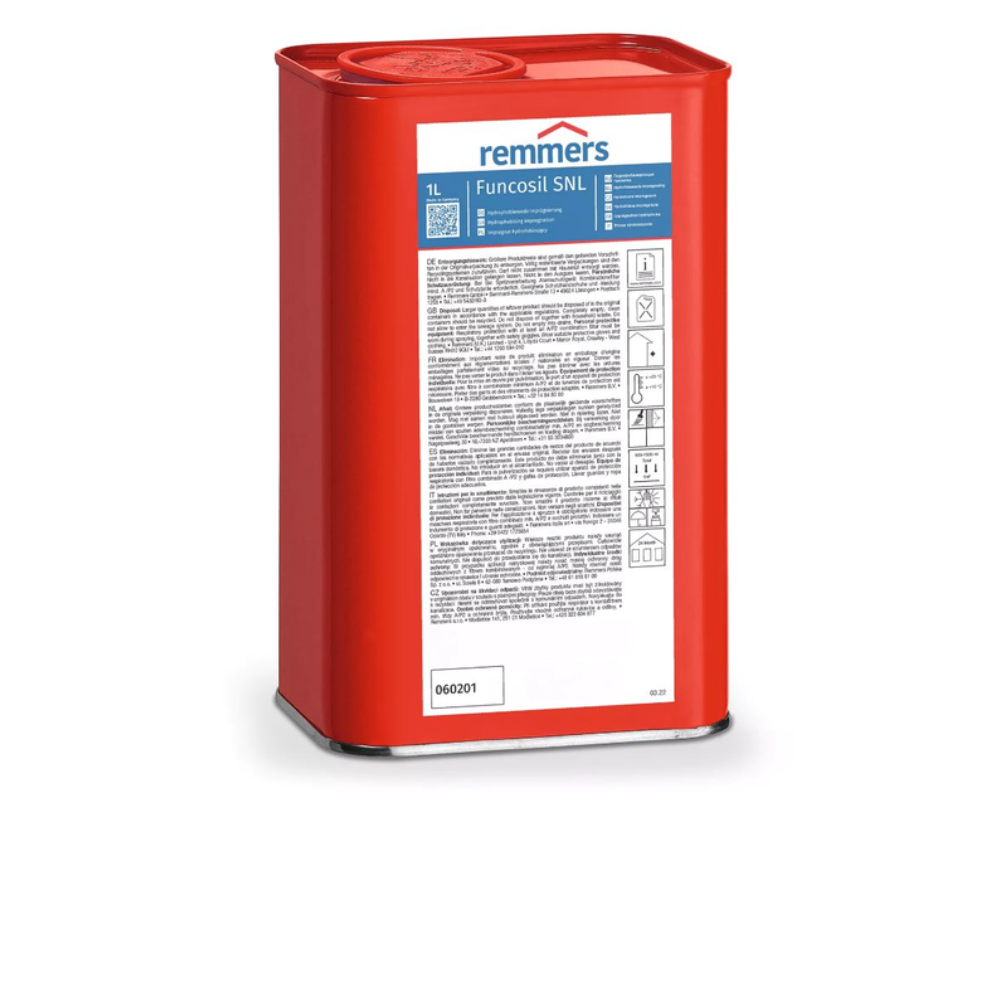
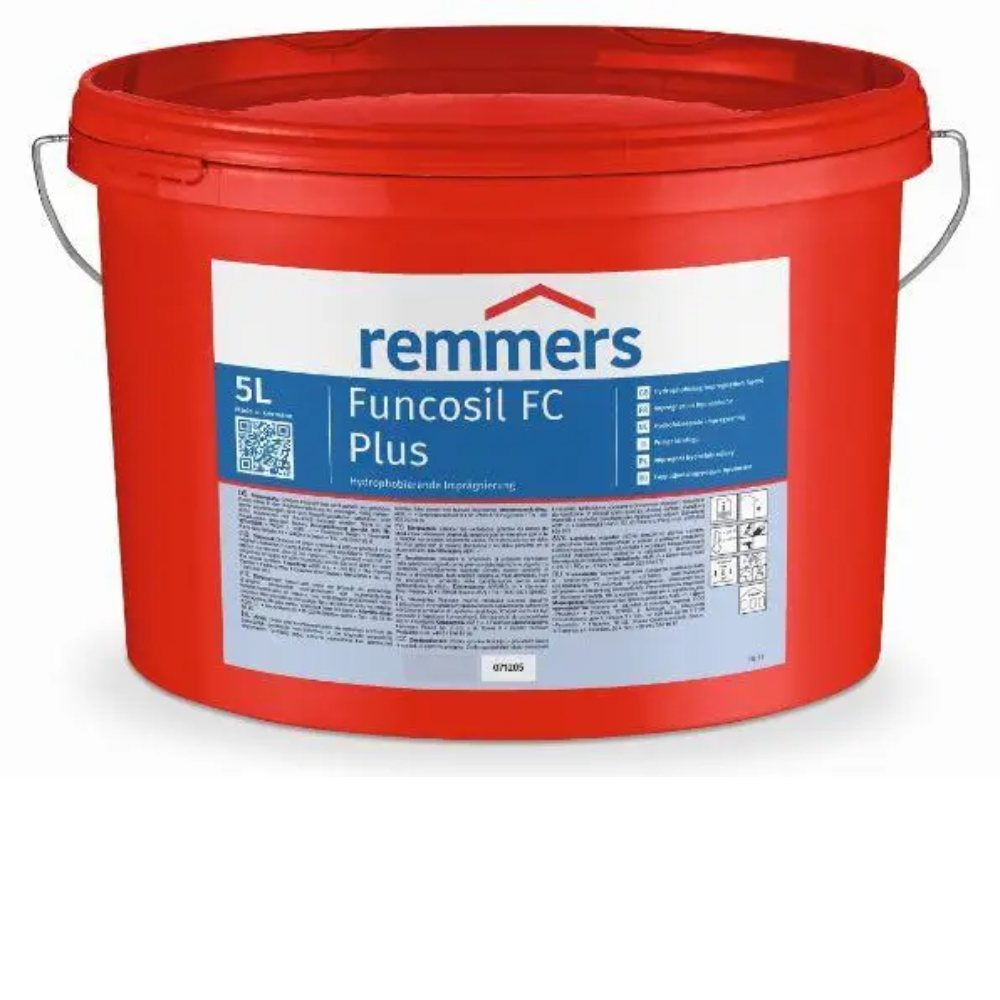
Hydrophobic impregnation

contact-f2.png

Do you have a construction project?
Our engineers turn them into solutions.

Send us an enquiry — we will select the technology and materials that are right for your project.

How we turn your task into a solution:

01

CONTACT WITH THE TECHNOLOGIST

You send us an enquiry – our engineer will contact you to clarify the technical requirements.

02

TECHNOLOGY DEVELOPMENT

We select the appropriate solution and materials and prepare a technical quotation for your project.

03

MATERIAL DELIVERY

We ensure fast and reliable delivery of materials to your construction site.

04

IMPLEMENTATION OF THE SOLUTION

We accompany the implementation of the technology through to the final result – with technical monitoring, guidance or a partner company in your region.

Choose Your Service:

BAUCHEMIE OFFICE

Do you already know which materials you need?

TECHNICAL ENGINEERING OFFICE

Do you require technology development, consulting, training, or supervision?

OFFICE FOR RECONSTRUCTION AND RESTORATION

Are you looking for implementation based on developed technology?

Why customers choose us

1 +
SATISFIED CUSTOMERS

Professionals, builders, planners and property owners have entrusted us with their projects.

1 +
IMPLEMENTED PROJECTS

From private properties to listed buildings – our technologies work throughout the region and beyond.

1 +
PROVEN TECHNOLOGIES

Waterproofing, façade protection, thermal modernisation, flooring, decorative solutions — all tried and tested in practice.

x

Leave a request

    Select the fields to be shown. Others will be hidden. Drag and drop to rearrange the order.
    • Image
    • SKU
    • Rating
    • Price
    • Stock
    • Availability
    • Add to cart
    • Description
    • Content
    • Weight
    • Dimensions
    • Additional information
    Click outside to hide the comparison bar
    Compare