iQ-Therm 2.0 — capillary-active internal thermal insulation

Effective insulation from the inside

Get free advice from a process engineer

Energy conservation course with a high level of comfort

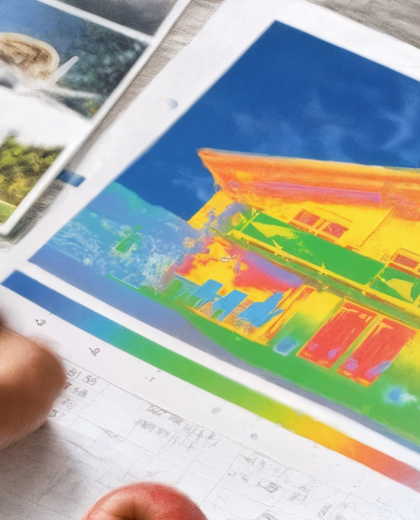
The cost of fossil fuels such as crude oil, natural gas, and coal is steadily increasing. In addition, progressive climate change caused by greenhouse gases is taking tangible form. In particular, old buildings today consume approximately three times more energy than newly constructed ones. This is mainly due to the fact that half of all existing buildings are still not protected or insufficiently protected against energy loss.

Energy is becoming more expensive and is no longer available in unlimited quantities, so it’s increasingly important to be economical. Sustainable and affordable solutions to save energy and reduce demand must be implemented in practice, as this is the only way to consistently reduce costs, emissions, and dependence. The European Green Deal is a very relevant and ambitious project in the field of climate protection. The EU prioritizes climate policy, focusing particularly on energy- and resource-efficient construction and renovation.

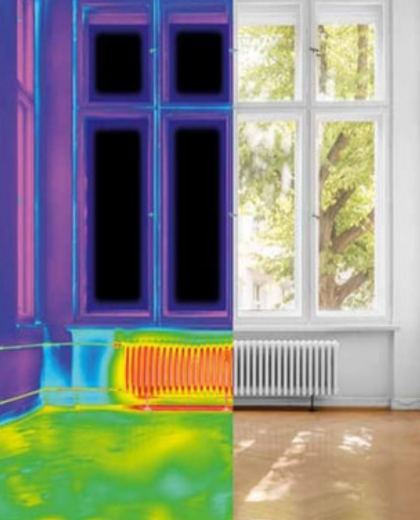
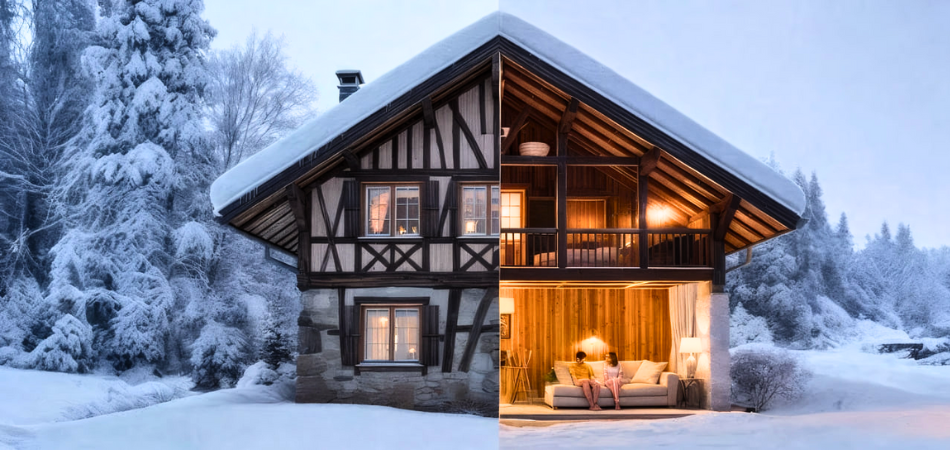
A dry and smartly insulated building provides a healthy, comfortable, and environmentally friendly home. Well-insulated walls and windows have pleasantly warm surfaces and guarantee a high level of living comfort. The coziness we feel is the result of the interaction of various temperatures: walls, windows, and air. If the walls are well-insulated and warm, significantly less heating is required.

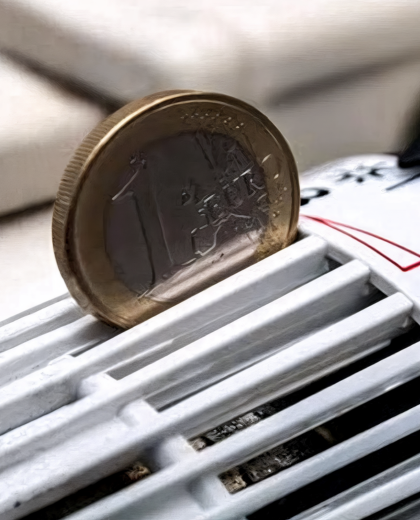
By increasing the wall surface temperature by just 1 °C, the room temperature can be lowered by 2 °C while maintaining the same comfort level, which on average allows saving about 6% of energy costs.

At the same time, the amount of energy required to heat the room is reduced. The required heating phases are significantly shortened. The wall materials of internally insulated building elements do not heat up, and the room can be used at a comfortable temperature in a short time. This once again significantly optimizes energy use.

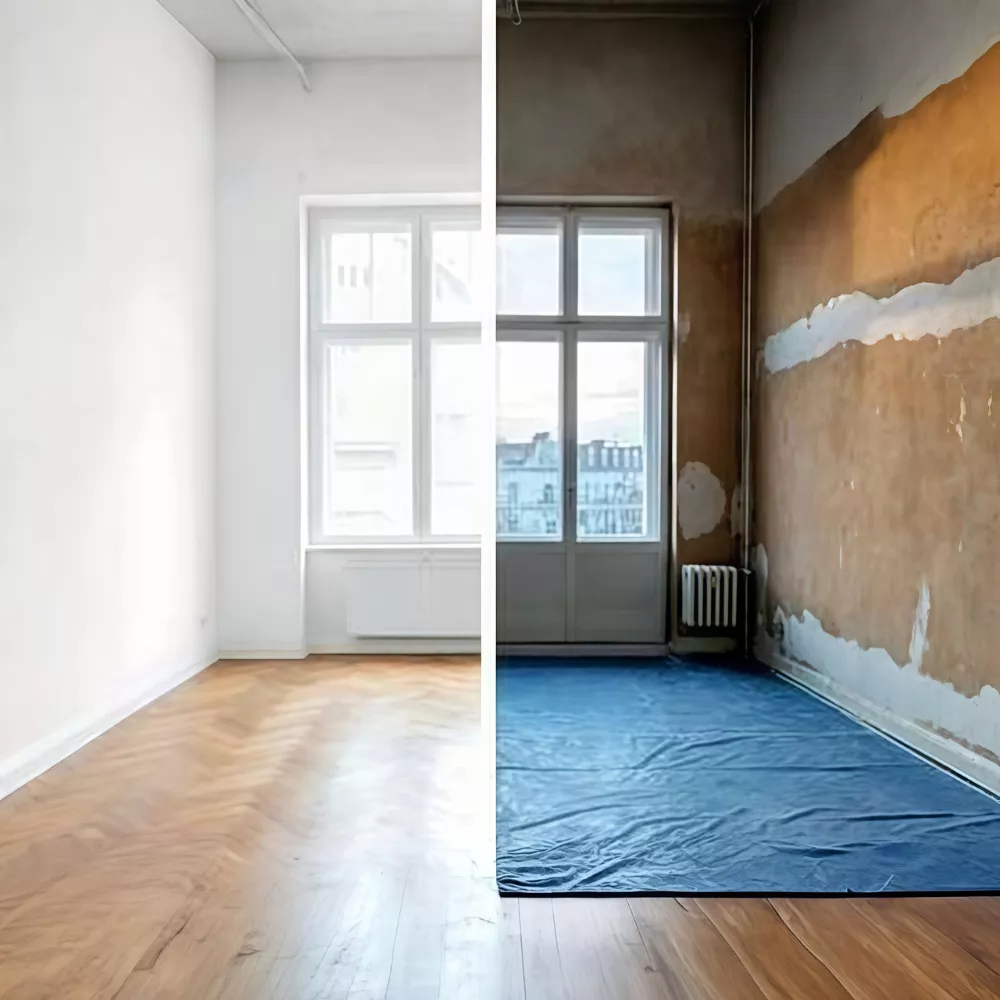
In unrenovated old buildings, improving thermal insulation can save significant amounts of heat energy and, consequently, costs.

There are strong arguments in favor of internal insulation:

if structural changes to the facade aren’t allowed
or if insulating the entire building from the outside exceeds the budget
or if only part of the building or individual rooms need to be heated
internal insulation is also the best solution for rooms that are used only occasionally, such as conference halls, sports and hobby rooms, or single-family households.

Solution

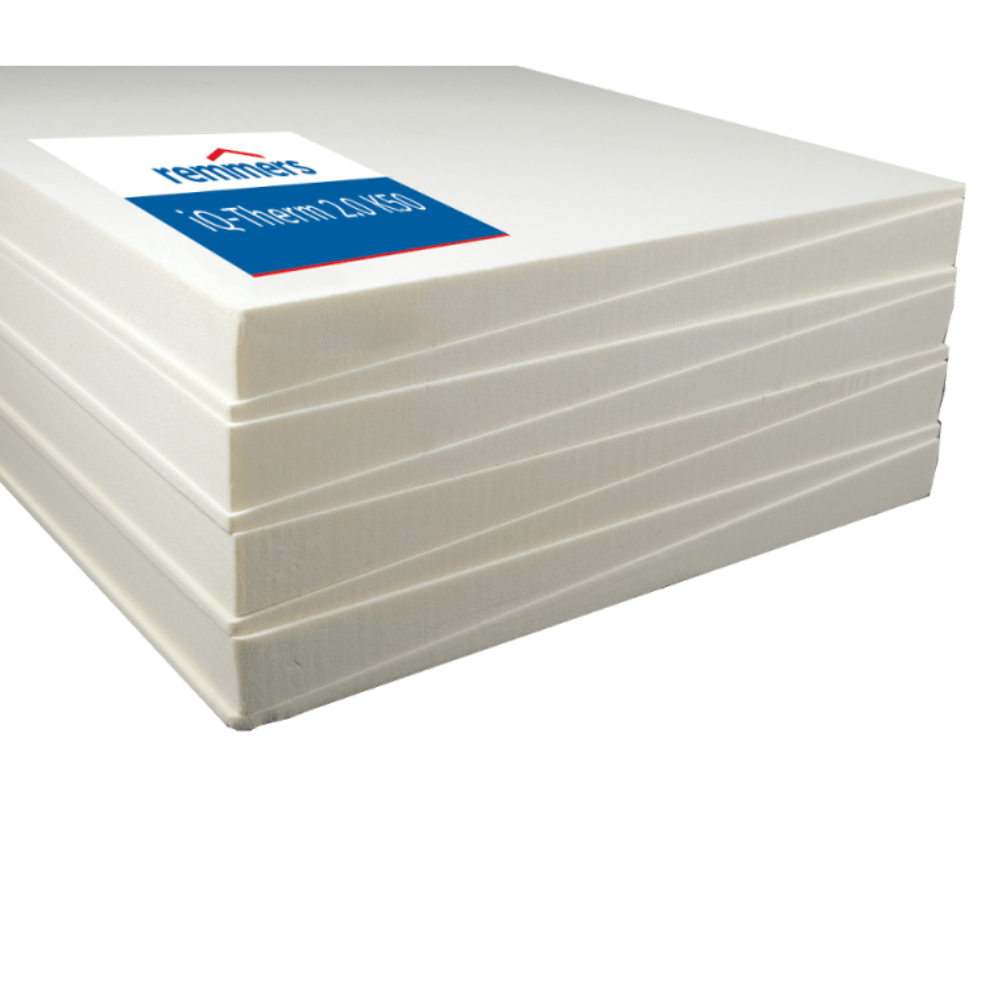
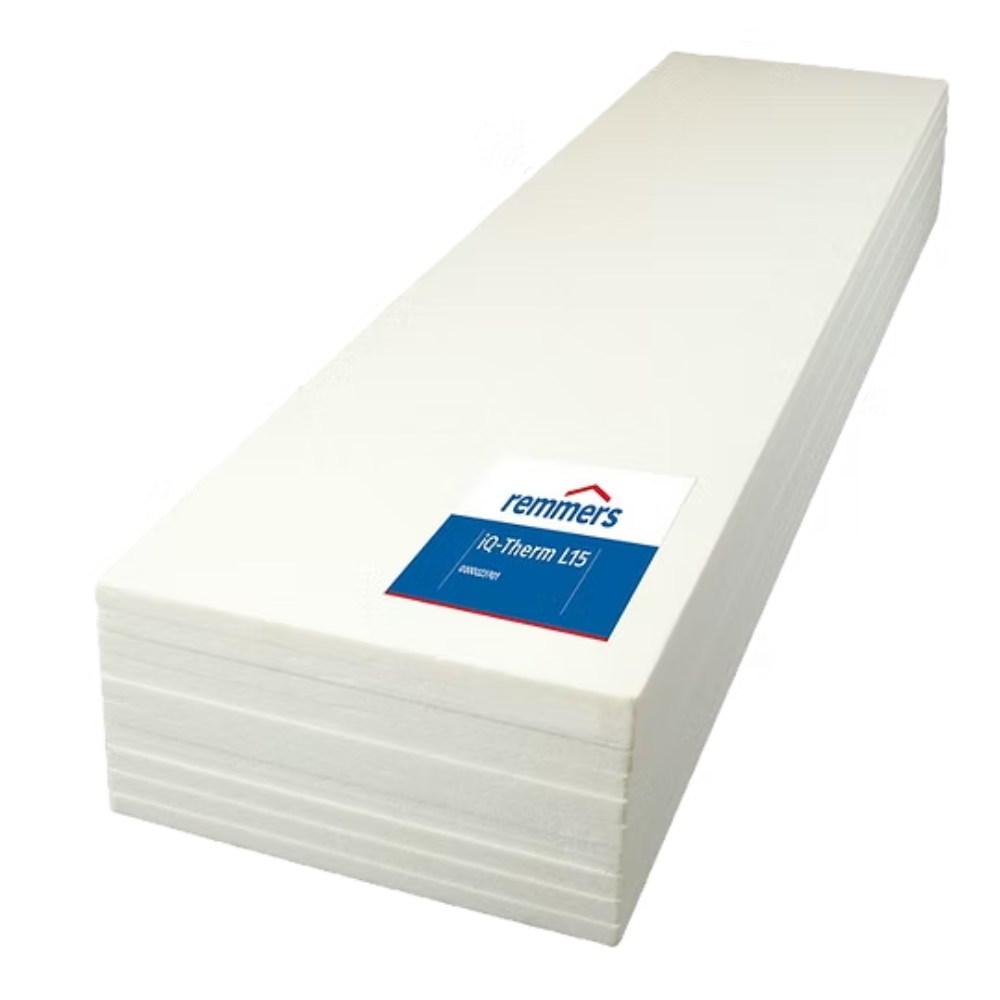
We present the iQ-Therm 2.0 – 30 / 50 / 80 / 120 system from the company REMMERS.

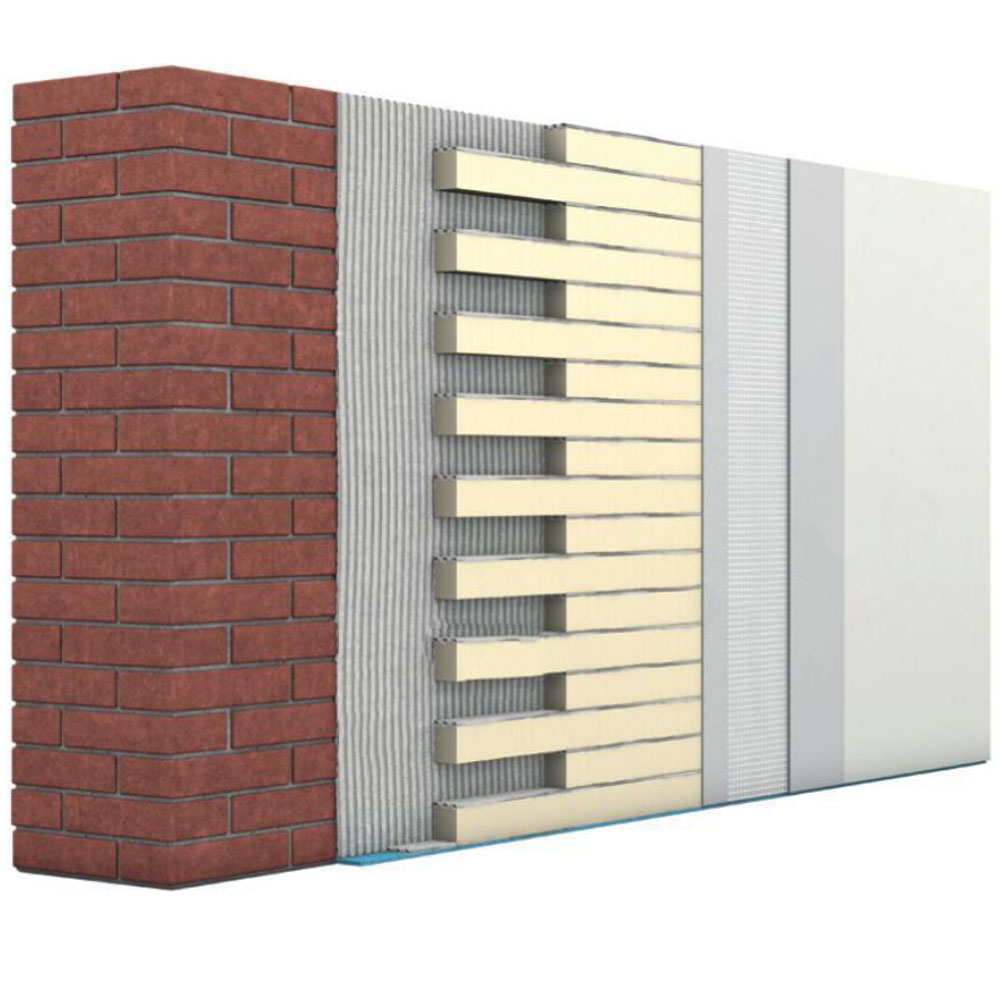
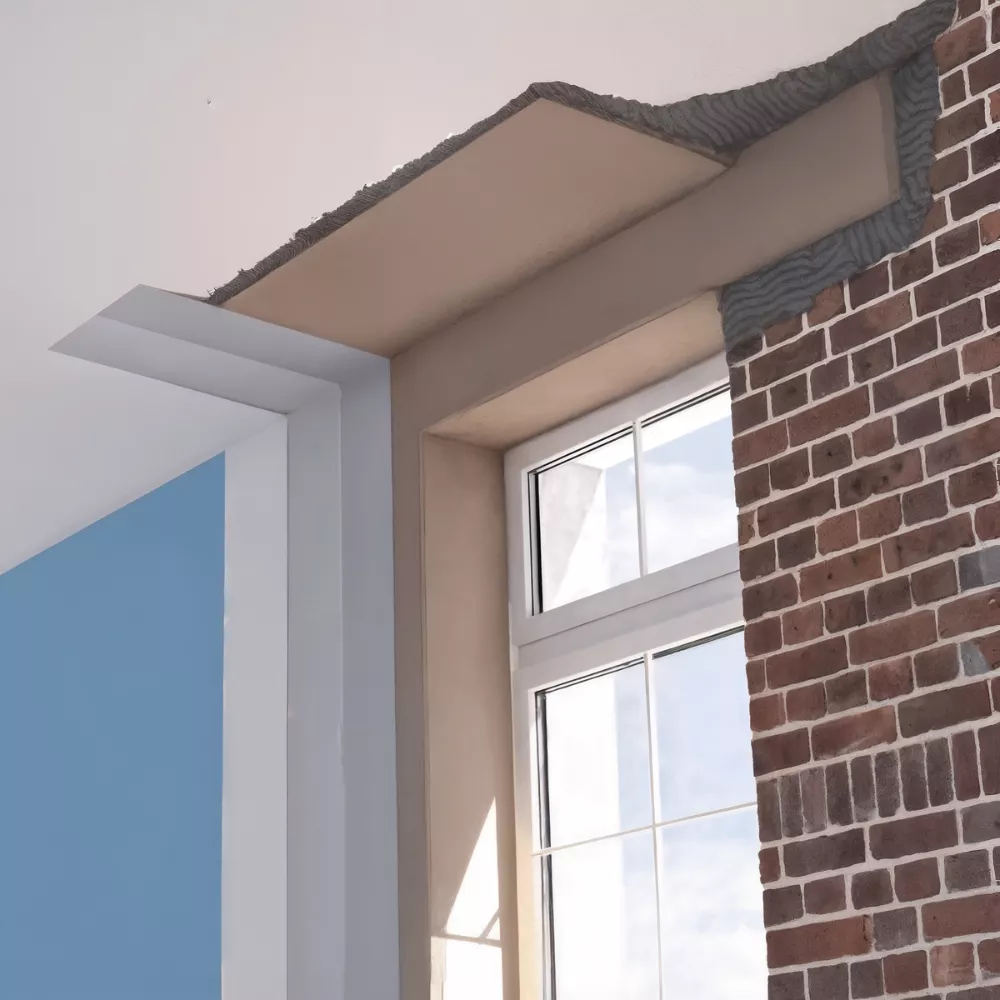
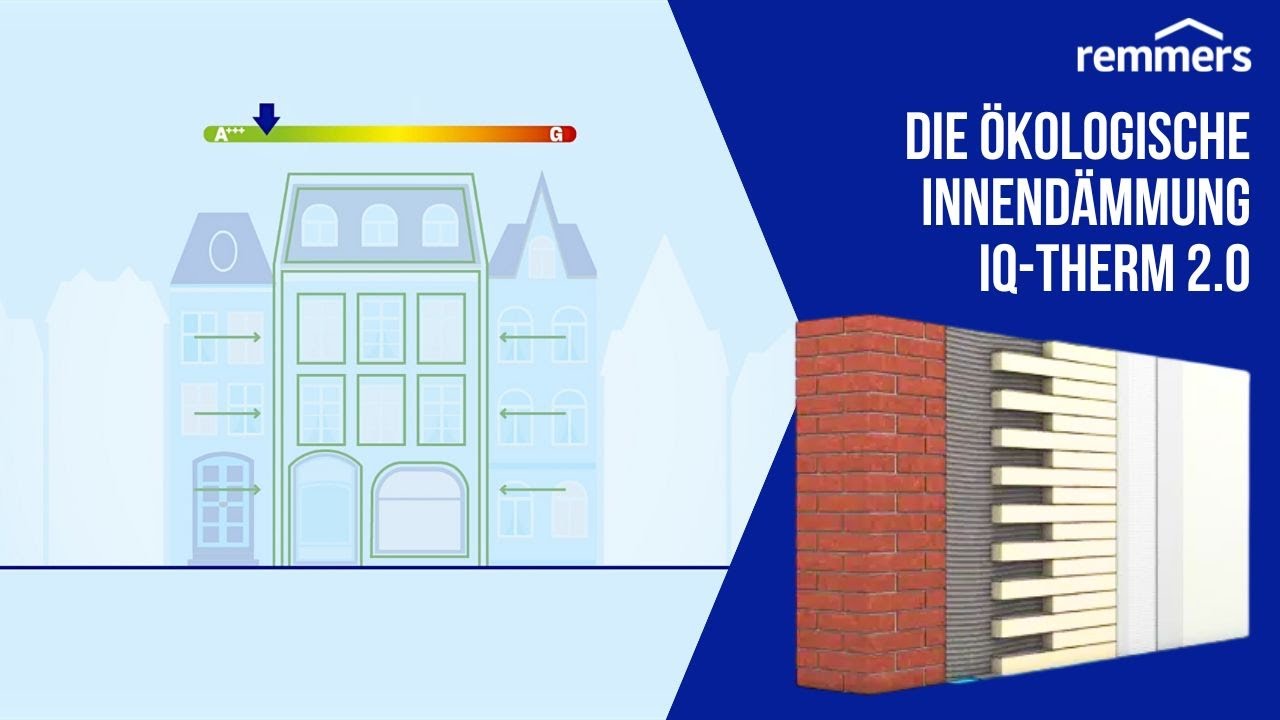
This is a capillary-active internal insulation system made of rigid polyurethane foam for creating high-performance, vapour-permeable internal insulation with capillary moisture transfer.

This insulation is more durable and much easier to install than conventional internal insulation, as it doesn’t require an internal film as a vapor barrier. Since 2009, iQ-Therm 2.0 has been the benchmark for capillary-active internal insulation because it combines two highly specialized materials into a perfect system in a simple and ingenious way. The high-performance insulation material is combined with a special mineral mortar with a high absorption capacity.

The insulation material in slab form was perforated at regular intervals, and the continuous panels were filled with mortar at the factory. The result was a composite material with high insulating effect and simultaneous capillary activity, without the use of vapor barriers.

If condensate forms in such a system because the temperature drops below the dew point in winter, or if rain penetrates through the facade, the moisture is not retained by the iQ-Therm film, but is returned into the room air through the mortar in the wall section, without causing any damage. A special climate-regulating plaster on the inner side serves to distribute moisture over the entire surface, from which it evaporates into the room.

How the technology works – step by step:

IQ-Therm 2.0 system
1

1. Preparation

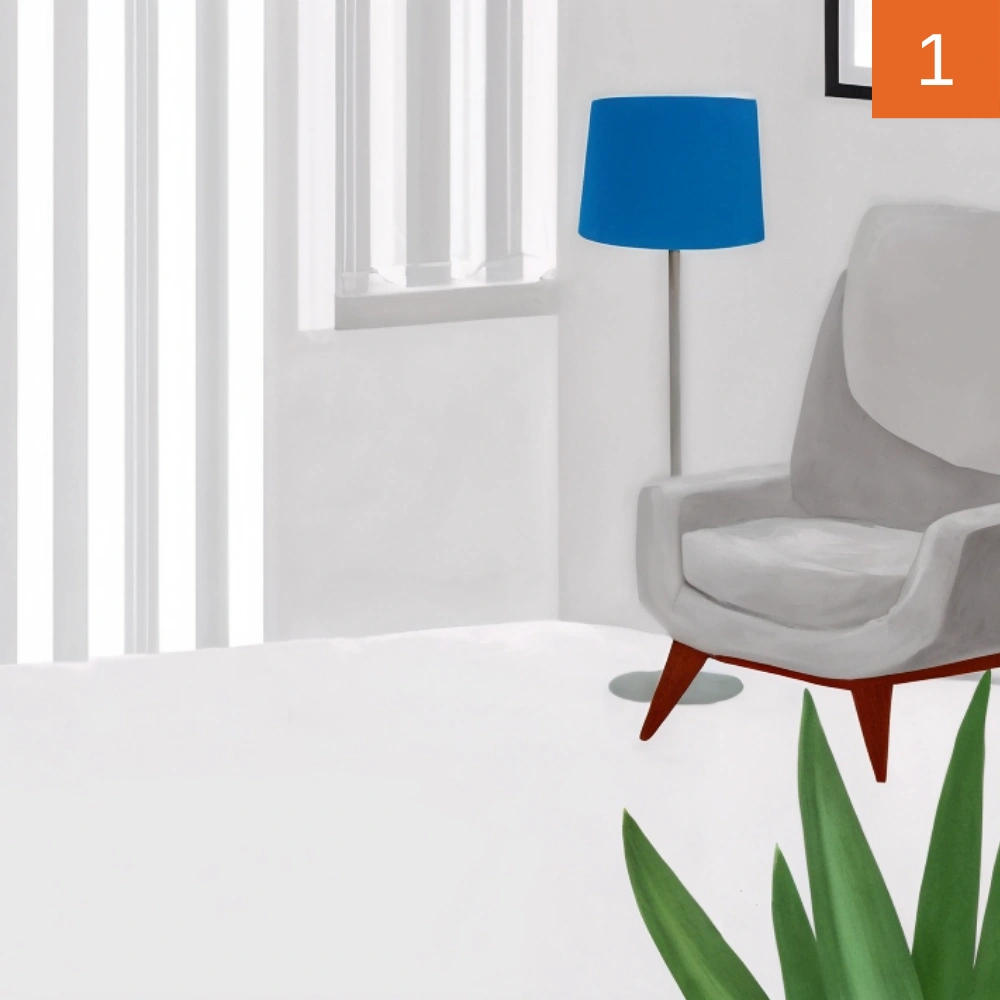
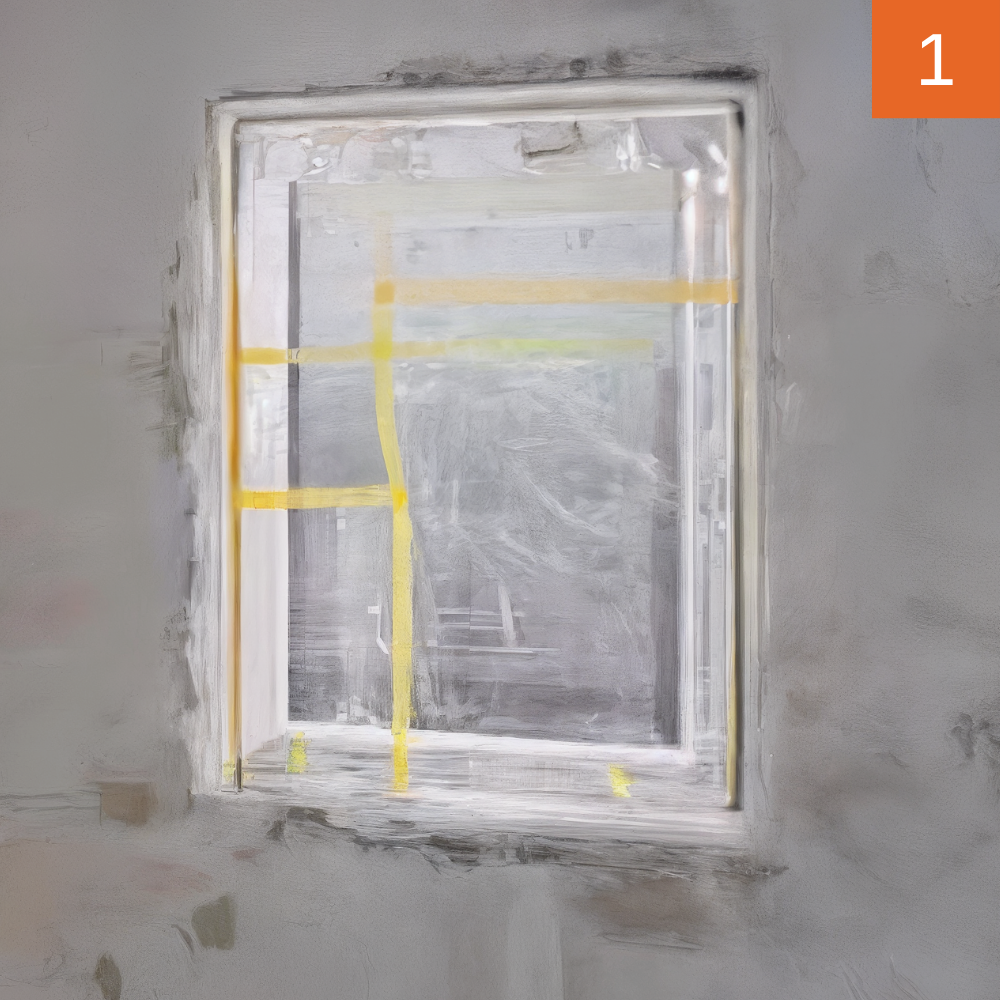
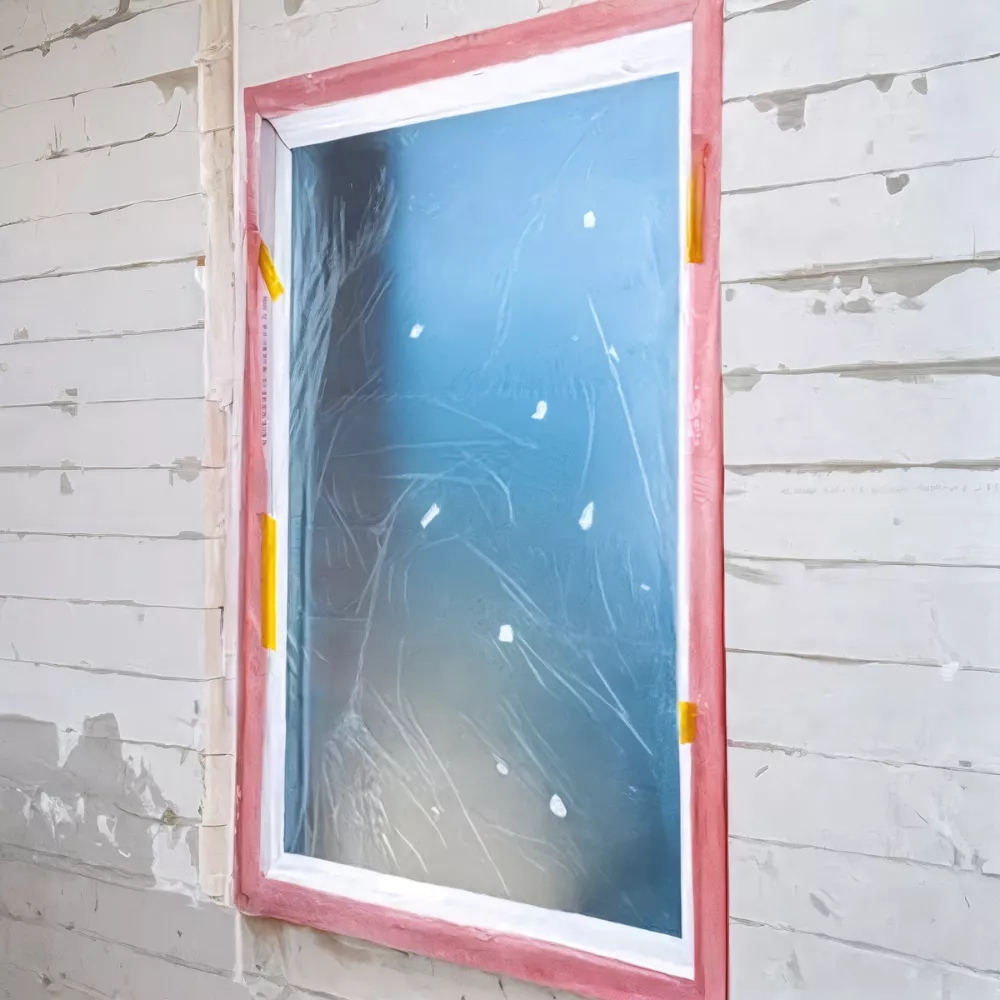
Old wall coverings such as wallpaper are removed. The base must be dry, clean, absorbent, and stable.

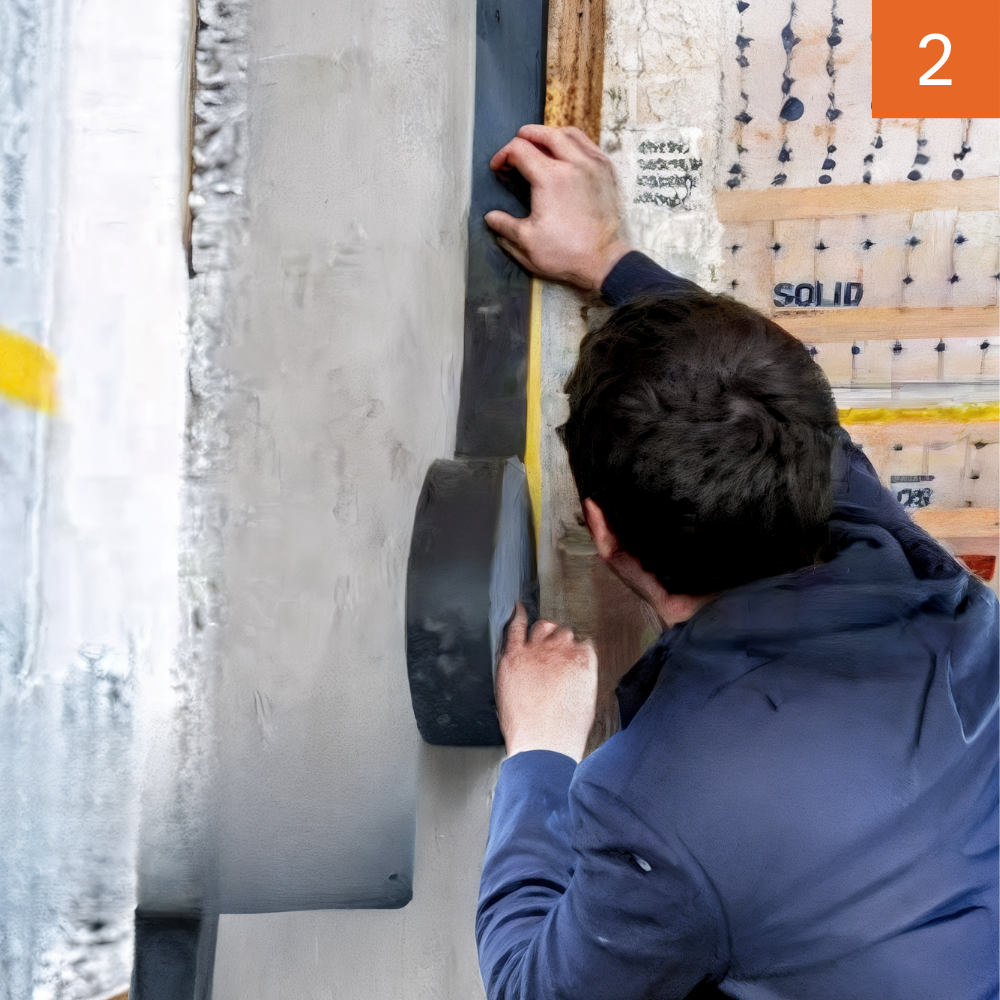
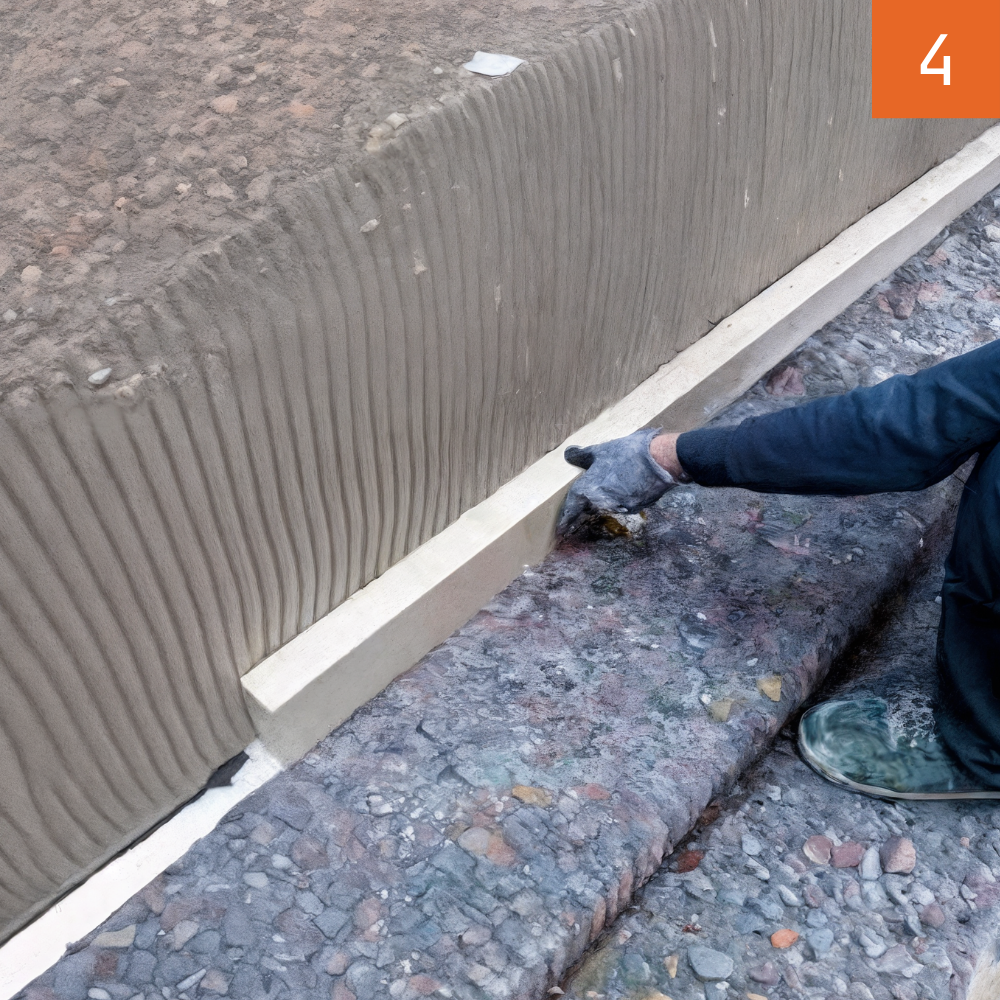
2. Separation strip

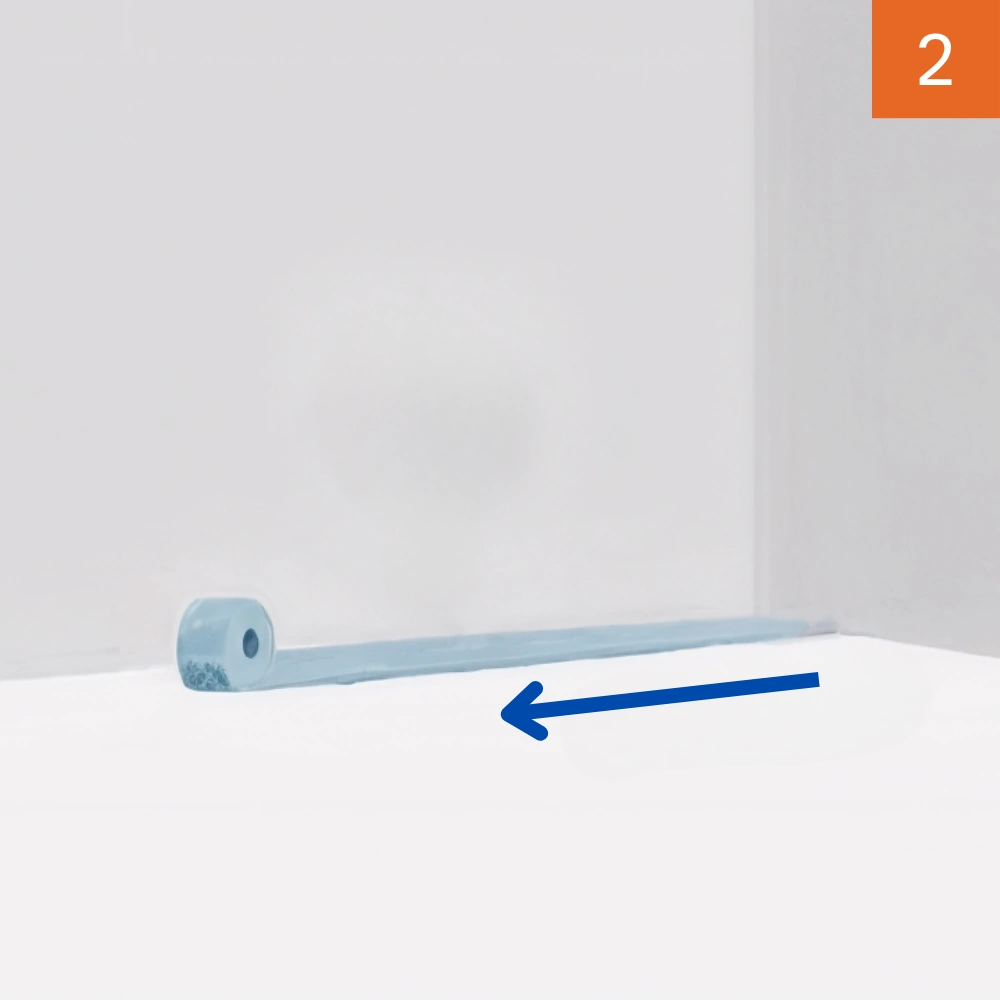
To ensure thermal, moisture, and acoustic separation, a closed-cell polyurethane strip is installed in the wall-floor and wall-wall connection zones.

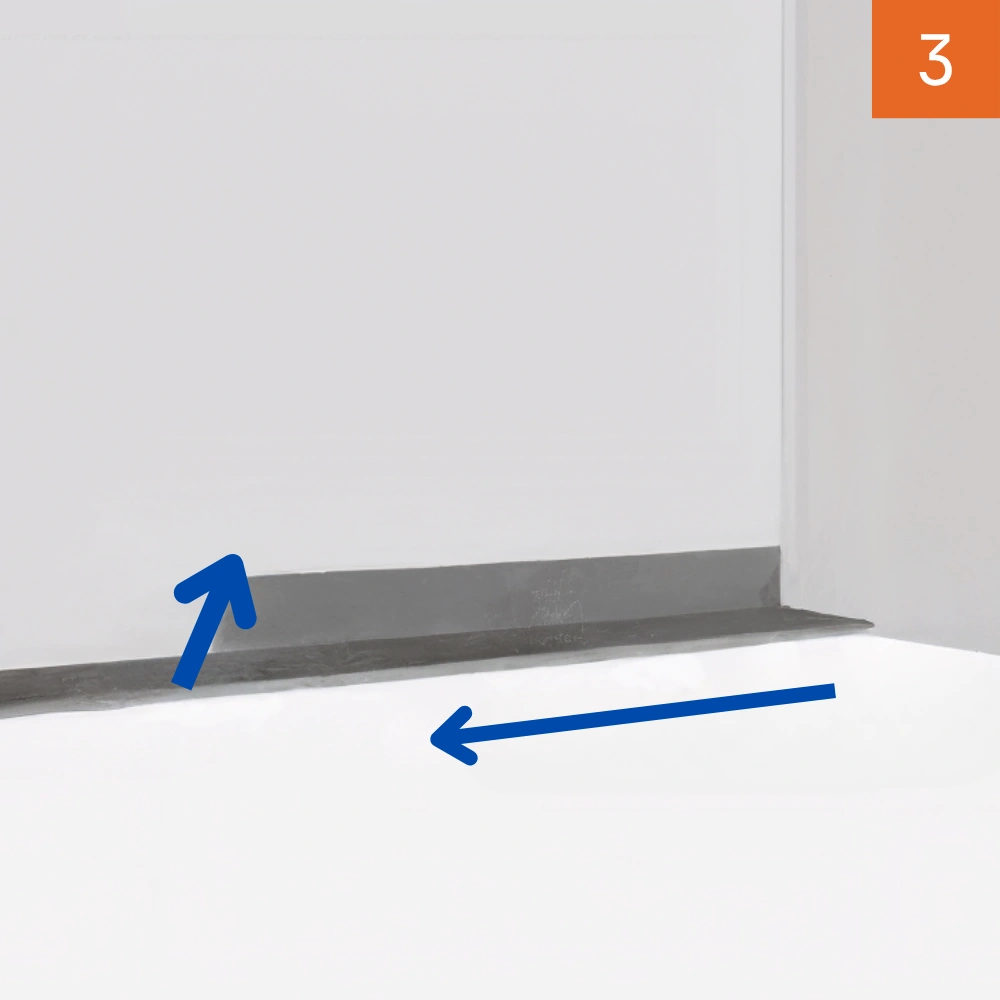
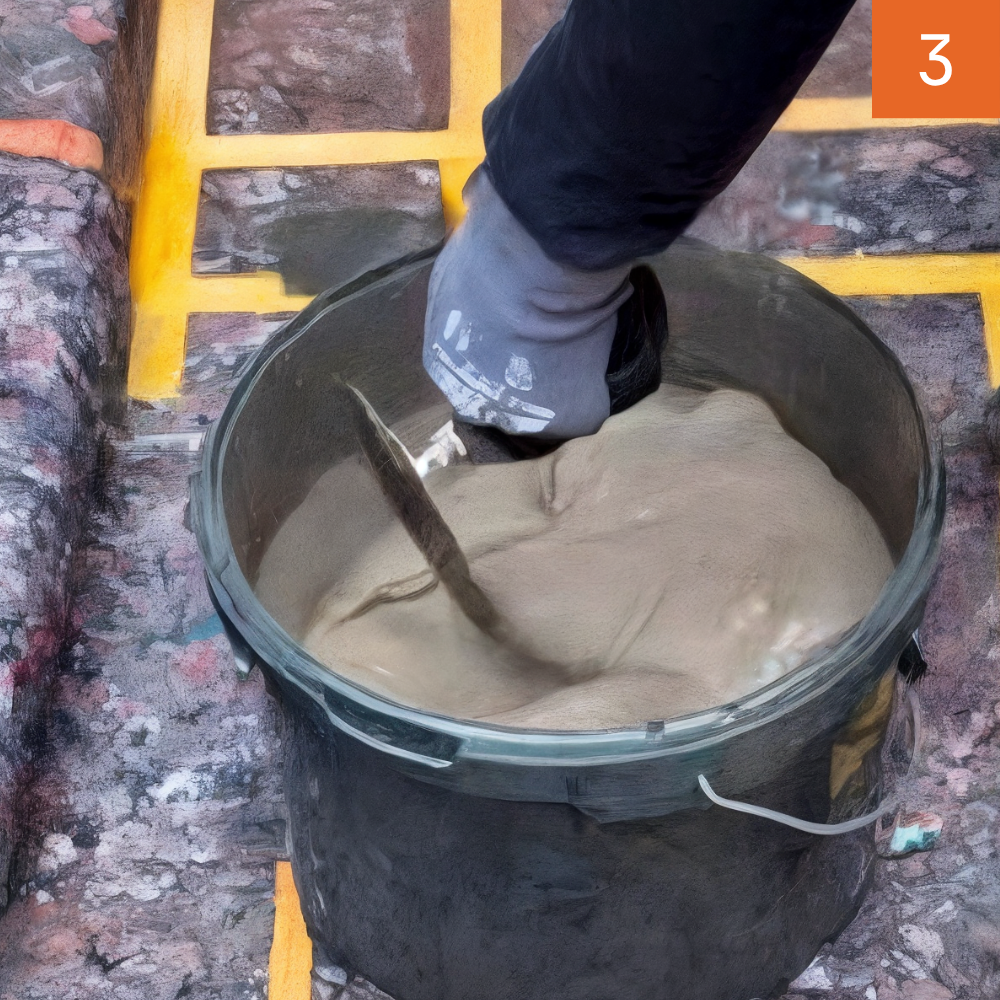
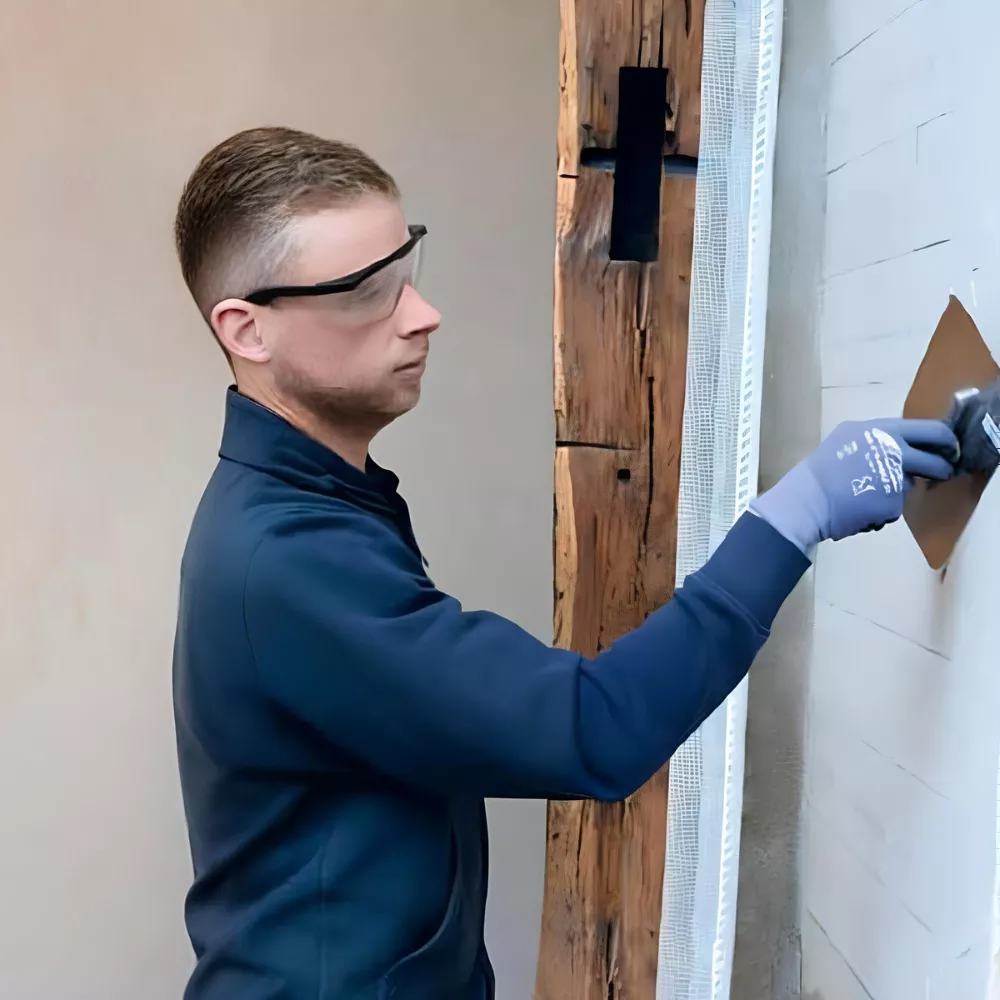
3. Application of the first horizontal adhesive layer

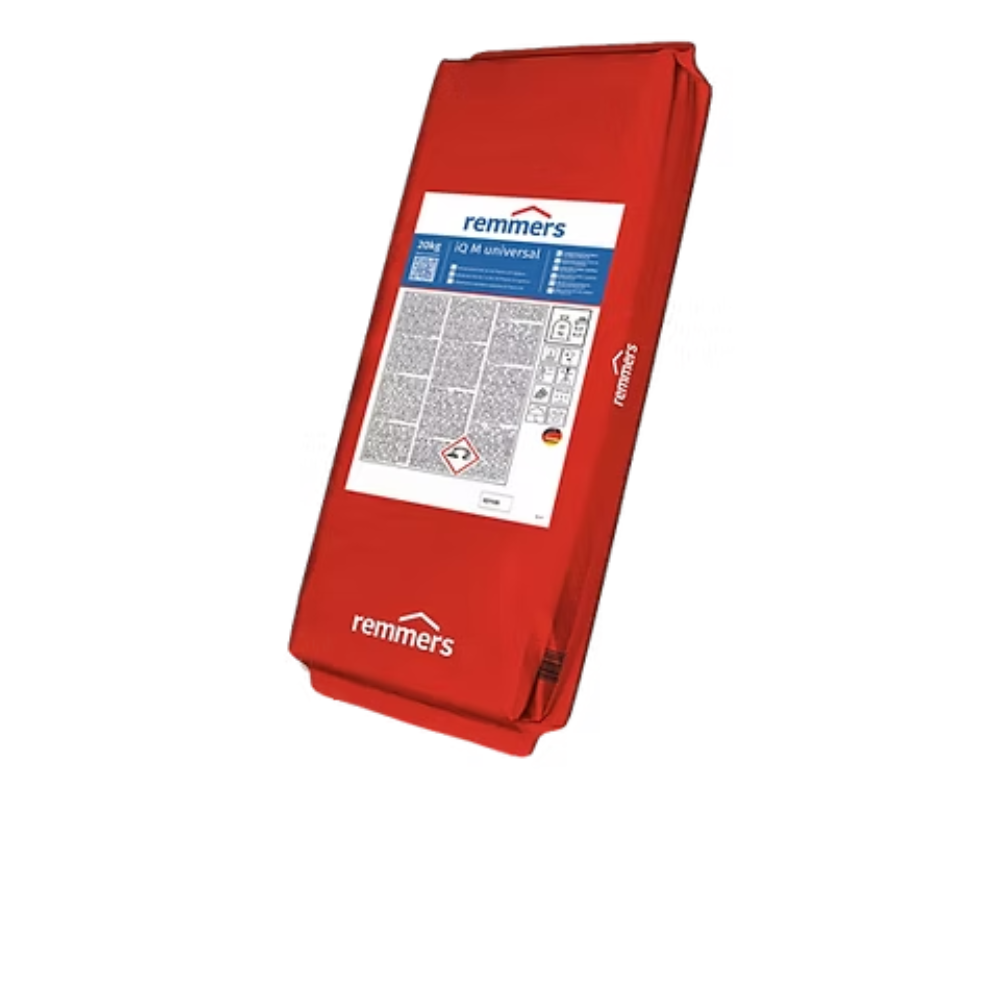
The first capillary-active adhesive joint with iQ M universal is applied to the horizontally placed separation strip in a layer approximately 1 mm thick. An adhesive layer is also applied vertically to the wall.

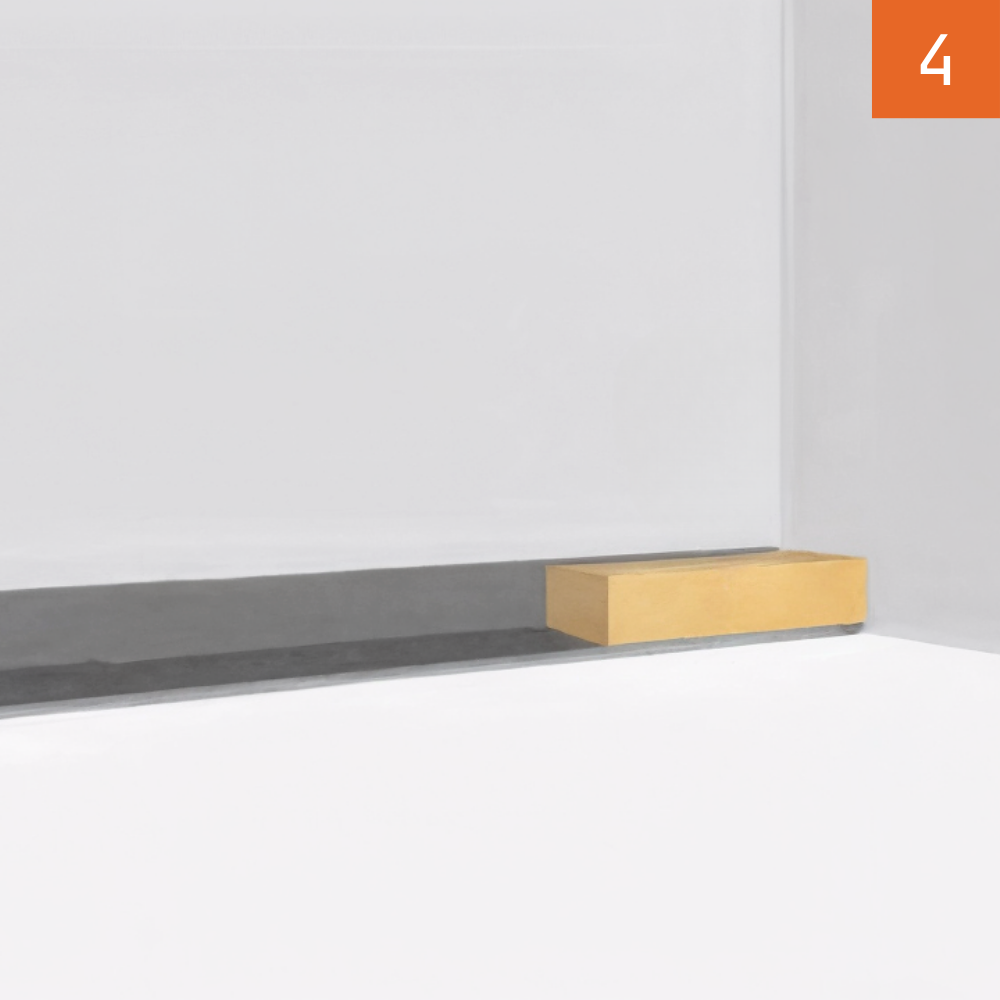
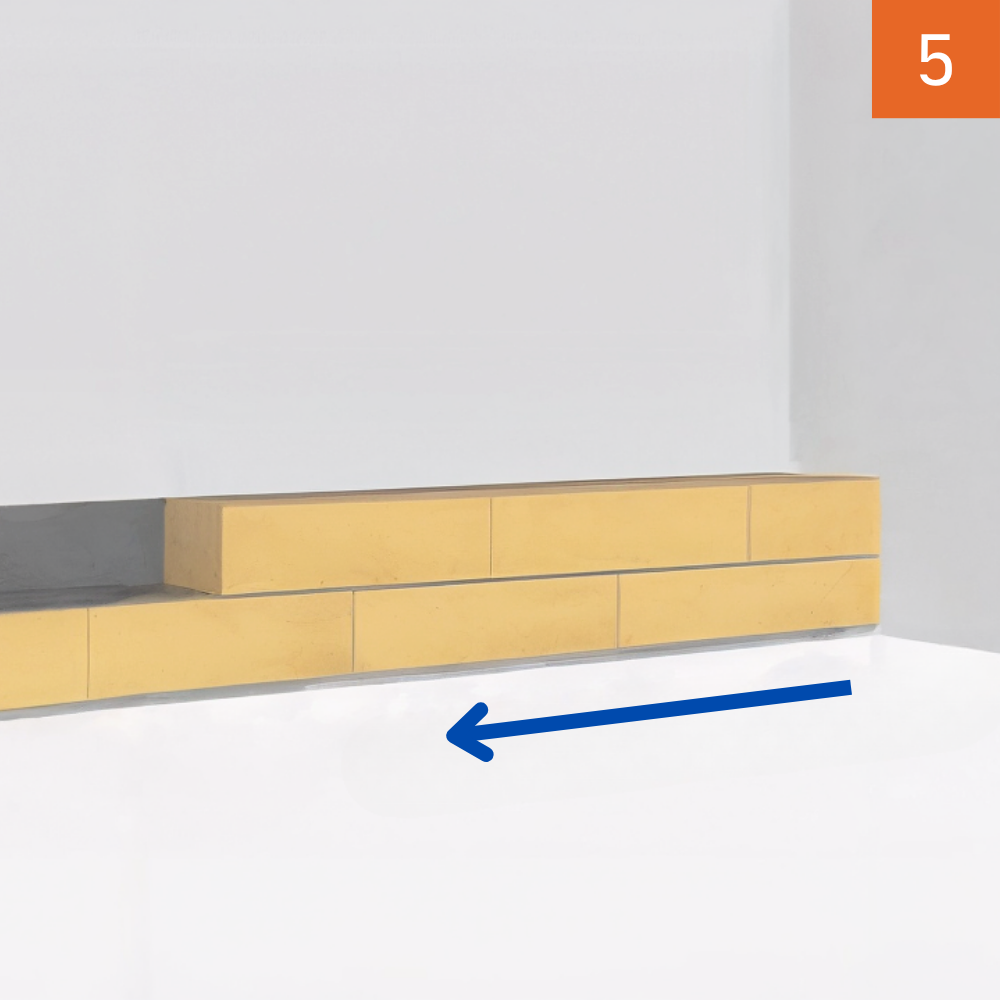
4. Installation of the first row of iQ-Therm 2.0 strips into the adhesive layer

The first row of iQ-Therm 2.0 insulation strips is laid into the mortar base. The joints between the insulation strips aren’t glued.

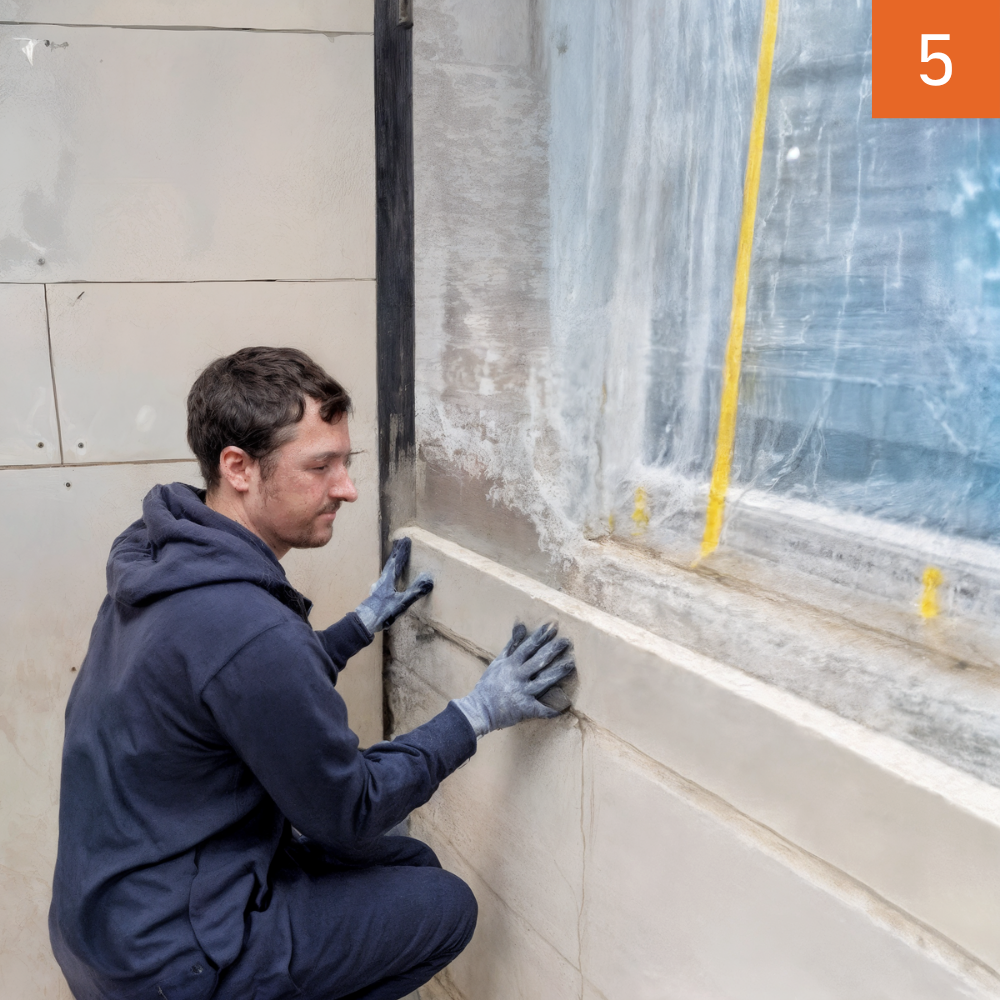
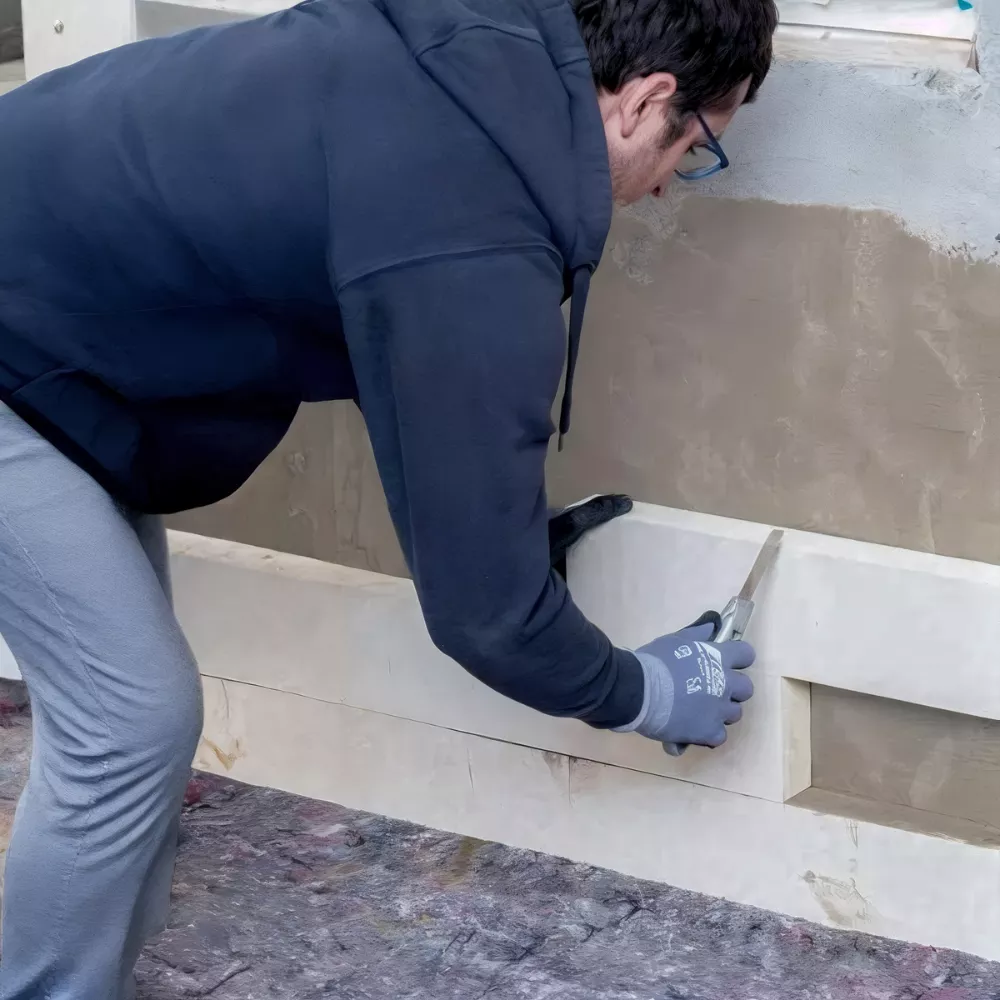
5. Continuation of internal insulation with strips

Installation of iQ-Therm 2.0 continues layer by layer, and joints between the layers are filled with ready-mixed mortar. Gaps between the strips remain unfilled.
iQ M universal must be applied in a layer 1 mm thick. Cross joints between strips must be avoided.

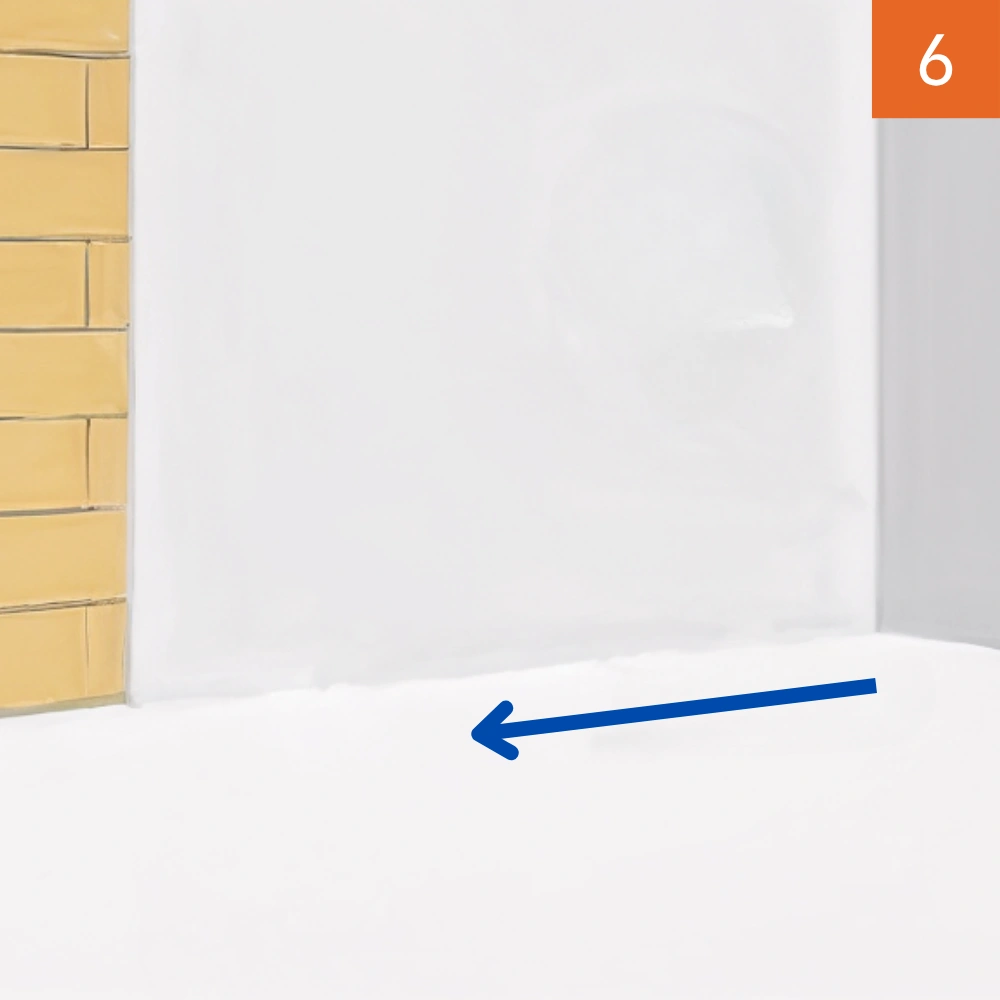
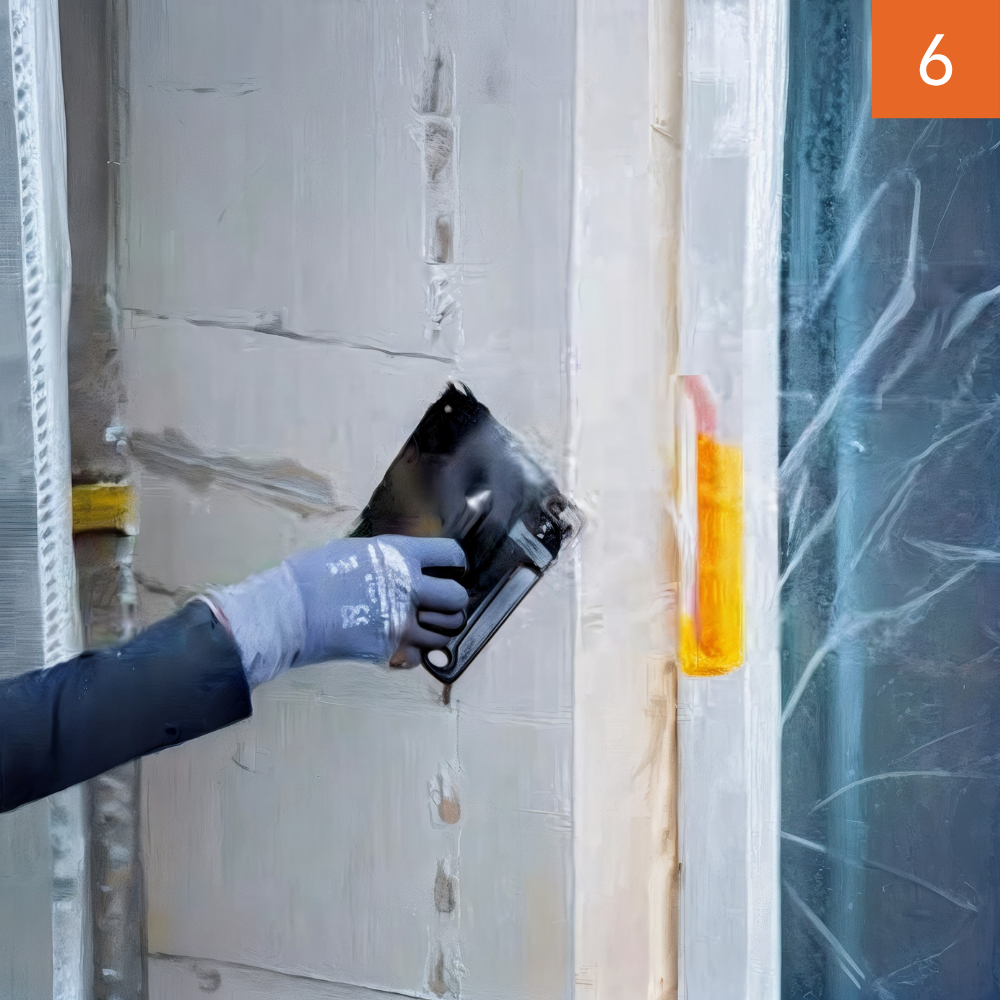
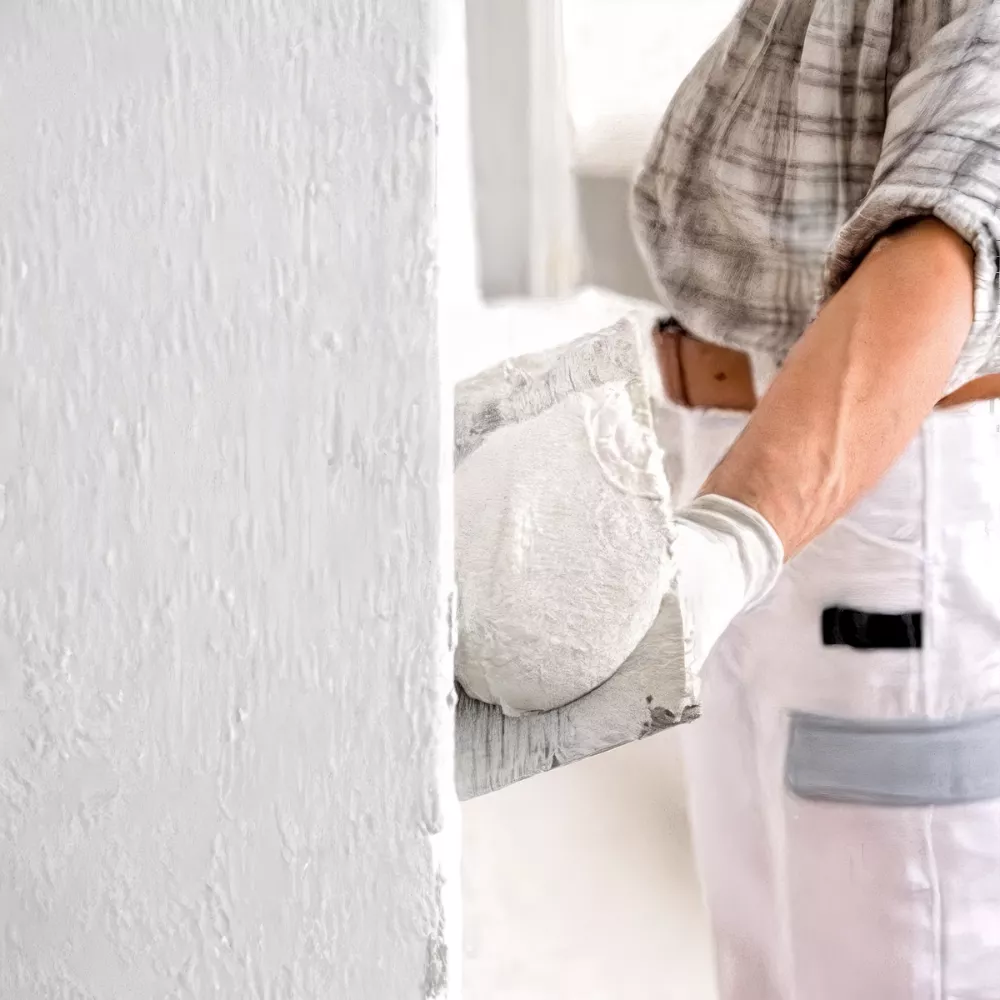
6. Application of climate-regulating plaster/filler

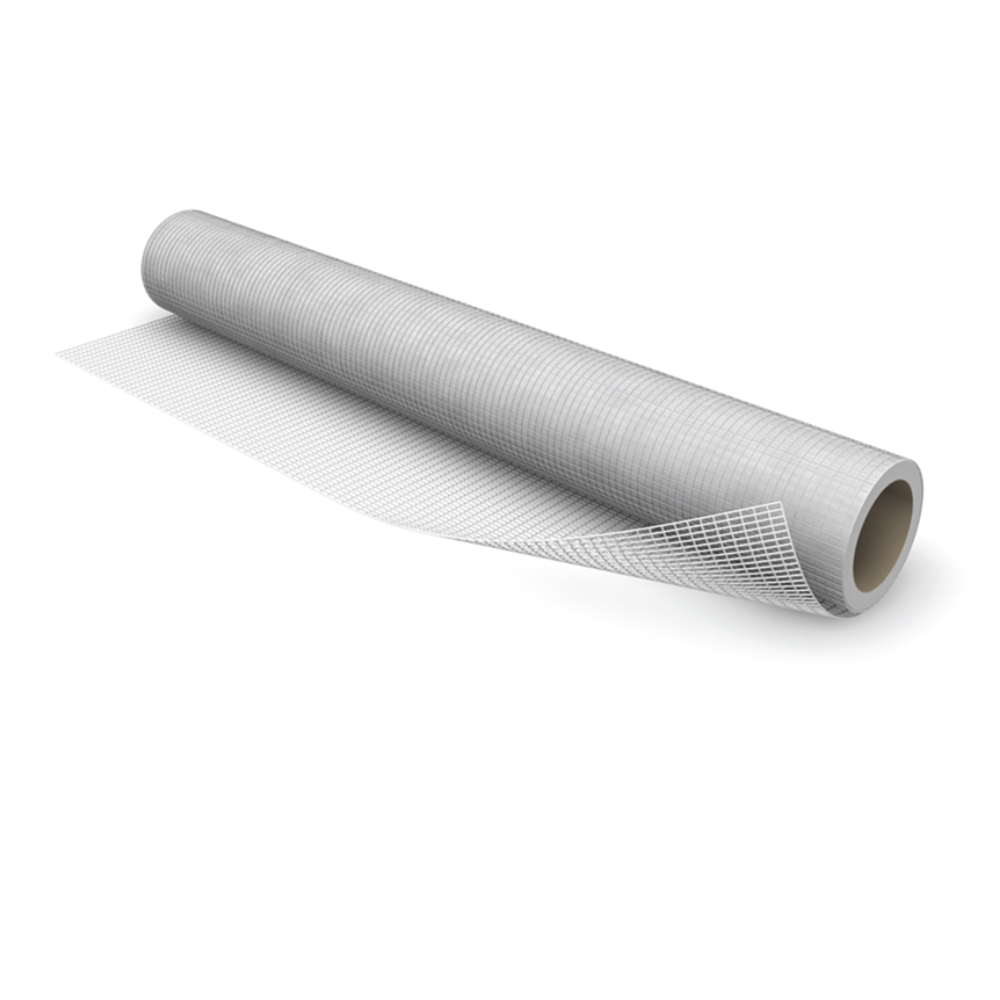
To create refined and paintable Q3-quality plaster surfaces, the surfaces insulated with iQ-Therm 2.0 are completely treated in two layers with thin-layer plaster iQ M universal with Tex 4/100 fabric reinforcement.
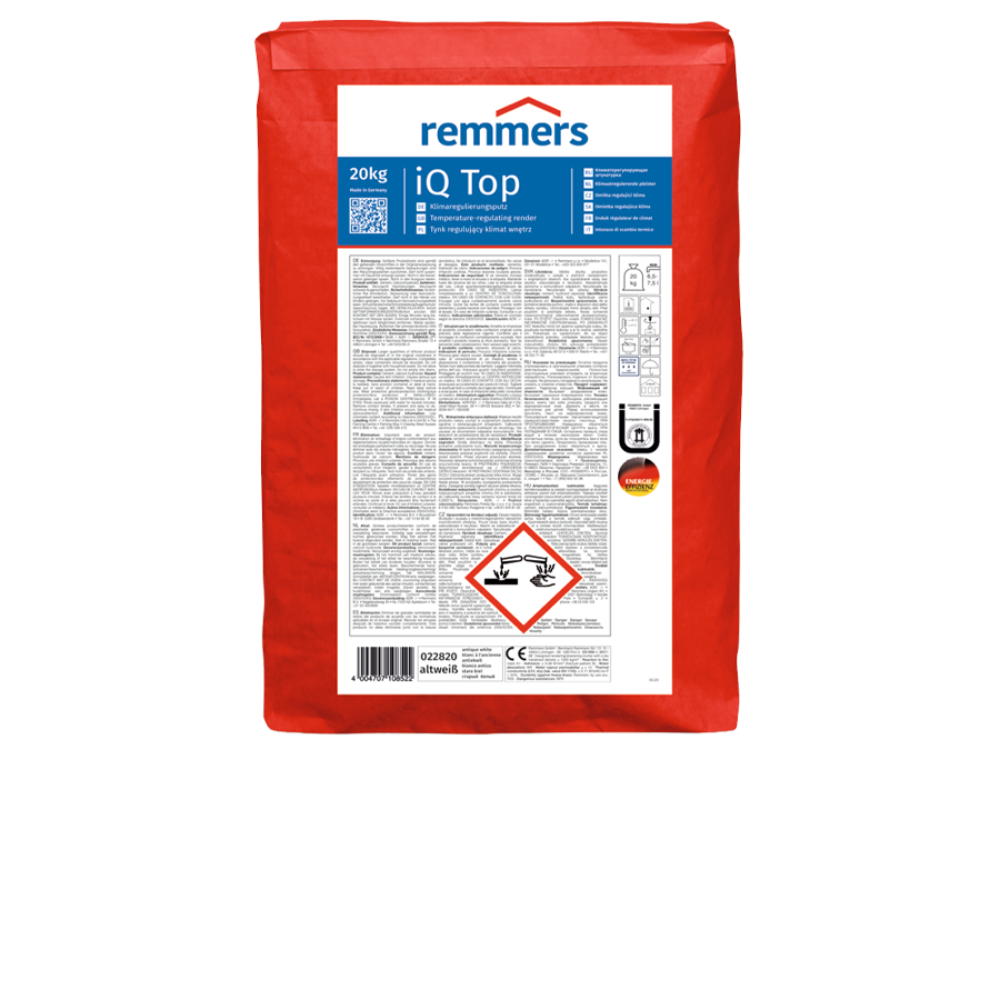
Alternatively, the surface can be treated with climate-regulating iQ Top plaster with Tex 6.5/100 reinforcement fabric.
Both products regulate air humidity and significantly improve the room microclimate.

Features

✓ Strip-shaped
✓ Highly thermally insulating
✓ Vapor diffusion open
✓ Capillary active

λ (EU standard values):

iQ-Therm 2.0 30: 0.028 W/(m•K)
iQ-Therm 2.0 50: 0.028 W/(m•K)
iQ-Therm 2.0 80: 0.026 W/(m•K)
iQ-Therm 2.0 120: 0.025 W/(m•K)

λ in installed condition:

approx. 0.003 W/(m•K) higher

✓ Building material class (DIN 4102-1): B2
✓ Fire behavior (EN 13501-1): E
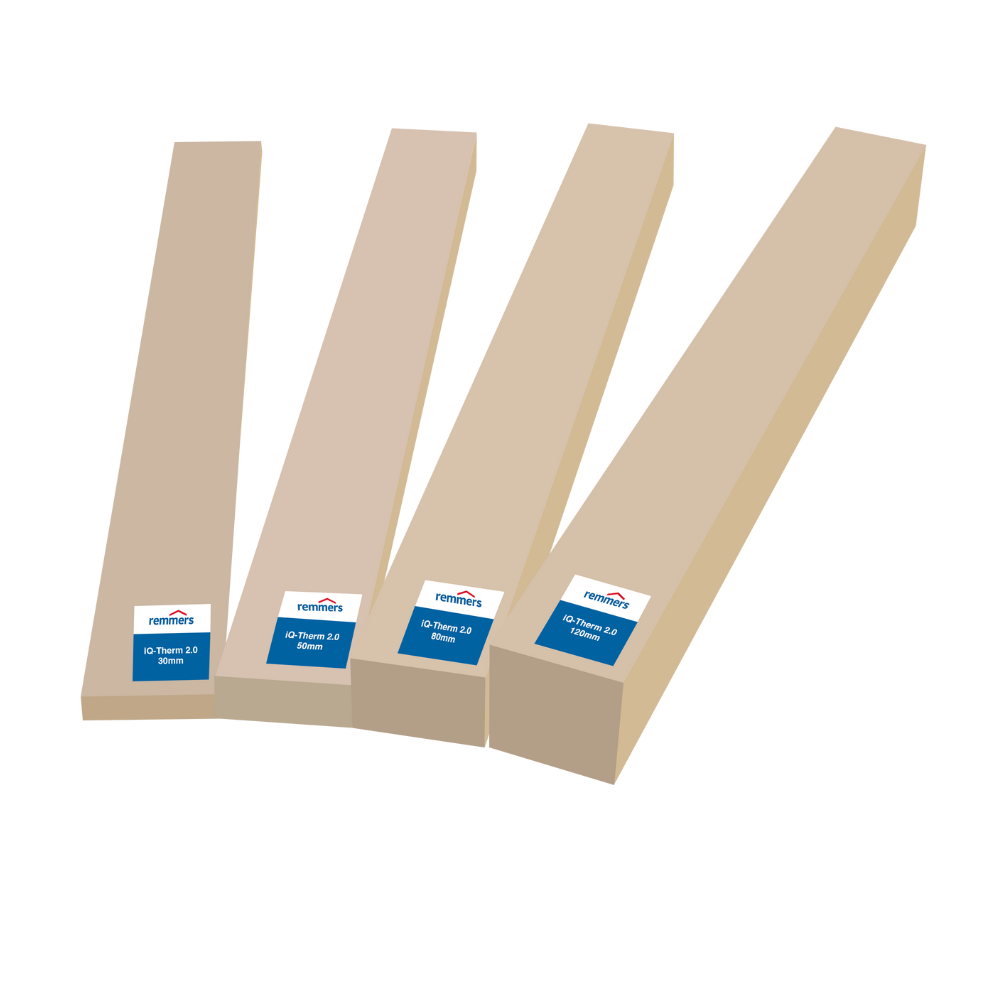
✓ Low installation thickness: available in 30, 50, 80, and 120 mm
✓ Easy to process
✓ Thermal insulation material according to DIN 4108-10

Advantages of the technology:

Fast installation

Flexible strip technology
Easy cutting and installation
One universal mortar — both adhesive and plaster

Suitable for any project

Can be installed wall-to-wall or only on selected walls

Energy efficiency

High thermal insulation
Capillary-active
Vapour-permeable
Minimal condensation — maximum drying

Comfort and health

Noticeably improves microclimate
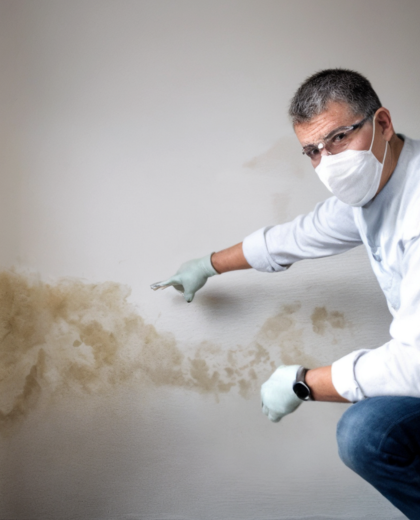
Guaranteed protection against mold
Meets the hygienic minimum for thermal protection

Design freedom

Vapour-permeable coatings — any finish

Savings and ecology

Reduces energy costs
Protects the environment
System is reliable for many years

How it looks on real objects

Watch our videos

Frequently Asked Questions

How to install electrical cables?
Old cables can be left in place. If new cables are being installed, they can be routed either above the insulation layer or underneath.
How to install heating and hot water pipes?
It’s always recommended to install heating and water pipes on the "warm side", i.e., on the room side. To do this, the strips must be cut, and the gaps then plastered with iQ Top.
How to hang paintings or similar items?
For medium loads such as paintings, small wall lamps, etc., use insulation screw plugs.
What to use for mounting, for example, wall cabinets?
If possible, avoid mounting wall panels in the area of internal insulation systems.
For precise, thermal-bridge-free mounting of heavy loads (e.g., kitchen cabinets, stair railings, etc.), mounting cylinders from Remmers made of rigid polyurethane compound can be used.
Does the system also work in bathrooms?
In principle, iQ-Therm can be used in damp rooms if sufficient drying time is ensured. In these rooms, laying tiles should be avoided where possible, as tiles act as vapor barriers, and the iQ-Therm system can no longer "work" in such conditions.
Can the system be tiled over?
In principle, yes!
However, since tiles are practically impermeable, it makes little sense to install the system under tiles. Narrow joints may be considered an exception.
How are insulation strips cut to size?
iQ-Therm 2.0 strips can be cut to the desired size using a standard insulation cutter/knife.
All standard woodworking tools such as hand and table circular saws with dust extraction can be used.
Can the system be wallpapered?
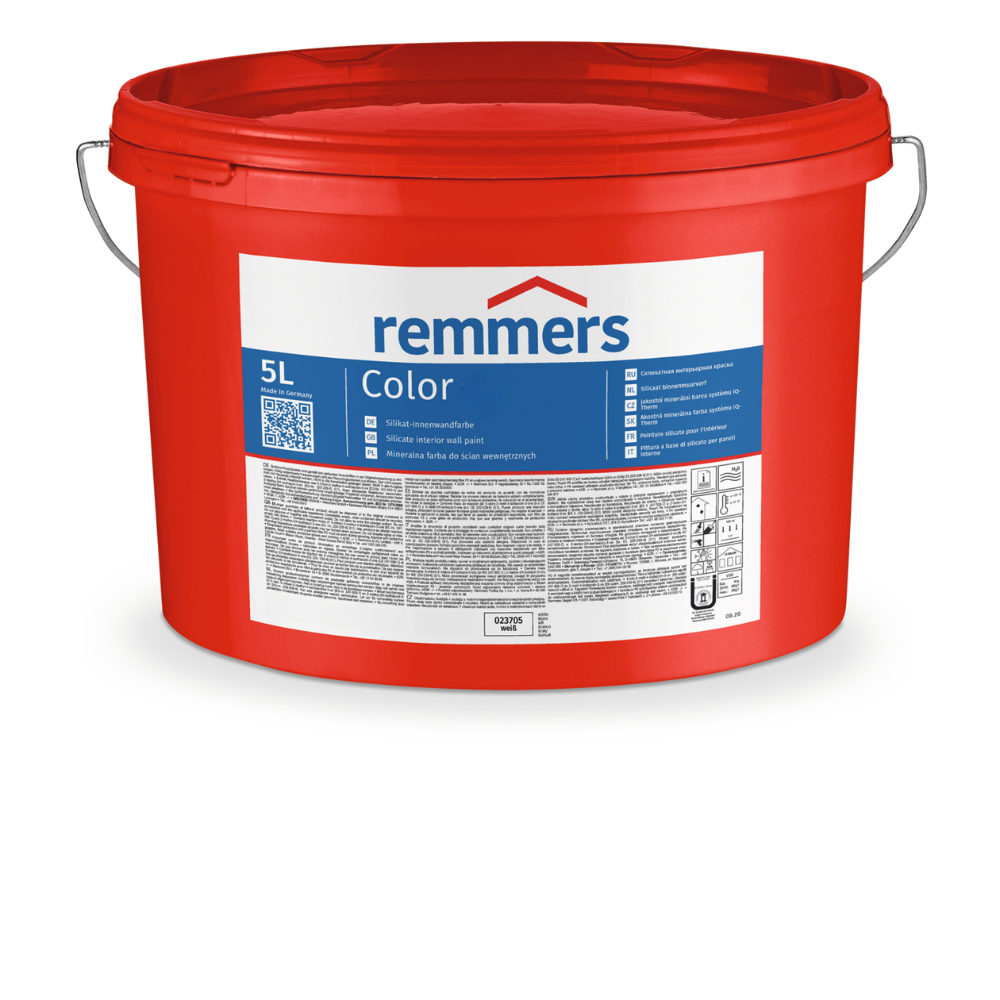
The system can be wallpapered, but it’s better to paint the system directly with a capillary-open system paint, such as Color SL or Color CL Historic.
What are the surface design options?
The surface can be leveled within the system using SL Fill Q4 and then painted with Color SL or Color CL Historic.
Can iQ-Therm 2.0 be used in basements and cellars?
iQ-Therm 2.0 is ideal for energy-efficient renovation of basements. A wall sealed with Remmers systems, even in contact with soil, remains permanently dry and sealed and provides an ideal base for intelligent internal thermal insulation. Raising the wall surface temperature significantly increases the "feeling of coziness". The result is a noticeable improvement in the energy standard, as well as compliance with the minimum hygienic insulation and thus guaranteed absence of mold.
Can iQ-Therm 2.0 be used for ceiling insulation?
Yes, to simplify work, the strips should be leveled only with iQ M universal. iQ Top is not suitable here.
What thickness is needed for ceiling and internal wall insulation?
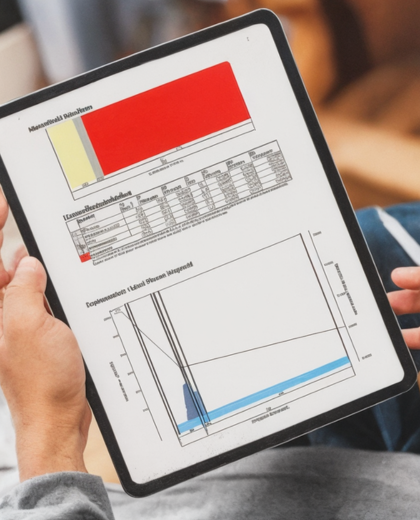
To determine the insulation thickness in each individual case, a calculation must be made taking into account the thermal bridge coefficient according to DIN 4108-2

Order materials from our online store

contact-f2.png

Do you have a construction project?
Our engineers turn them into solutions.

Send us an enquiry — we will select the technology and materials that are right for your project.

How we turn your task into a solution:

01

CONTACT WITH THE TECHNOLOGIST

You send us an enquiry – our engineer will contact you to clarify the technical requirements.

02
TECHNOLOGY DEVELOPMENT

We select the appropriate solution and materials and prepare a technical quotation for your project.

03

MATERIAL DELIVERY

We ensure fast and reliable delivery of materials to your construction site.

04

IMPLEMENTATION OF THE SOLUTION

We accompany the implementation of the technology through to the final result – with technical monitoring, guidance or a partner company in your region.

Choose Your Service:

BAUCHEMIE OFFICE

Do you already know which materials you need?

TECHNICAL ENGINEERING OFFICE

Do you require technology development, consulting, training, or supervision?

OFFICE FOR RECONSTRUCTION AND RESTORATION

Are you looking for implementation based on developed technology?

Why customers choose us

1 +
SATISFIED CUSTOMERS

Professionals, builders, planners and property owners have entrusted us with their projects.

1 +
IMPLEMENTED PROJECTS

From private properties to listed buildings – our technologies work throughout the region and beyond.

1 +
PROVEN TECHNOLOGIES

Waterproofing, façade protection, thermal modernisation, flooring, decorative solutions — all tried and tested in practice.

x

Leave a request

    Select the fields to be shown. Others will be hidden. Drag and drop to rearrange the order.
    • Image
    • SKU
    • Rating
    • Price
    • Stock
    • Availability
    • Add to cart
    • Description
    • Content
    • Weight
    • Dimensions
    • Additional information
    Click outside to hide the comparison bar
    Compare